| Cost Component | PF | Trad. Gym |
|---|---|---|
| Monthly Fees | - | - |
| Initiation Fee | - | - |
| Annual Fees | - | - |
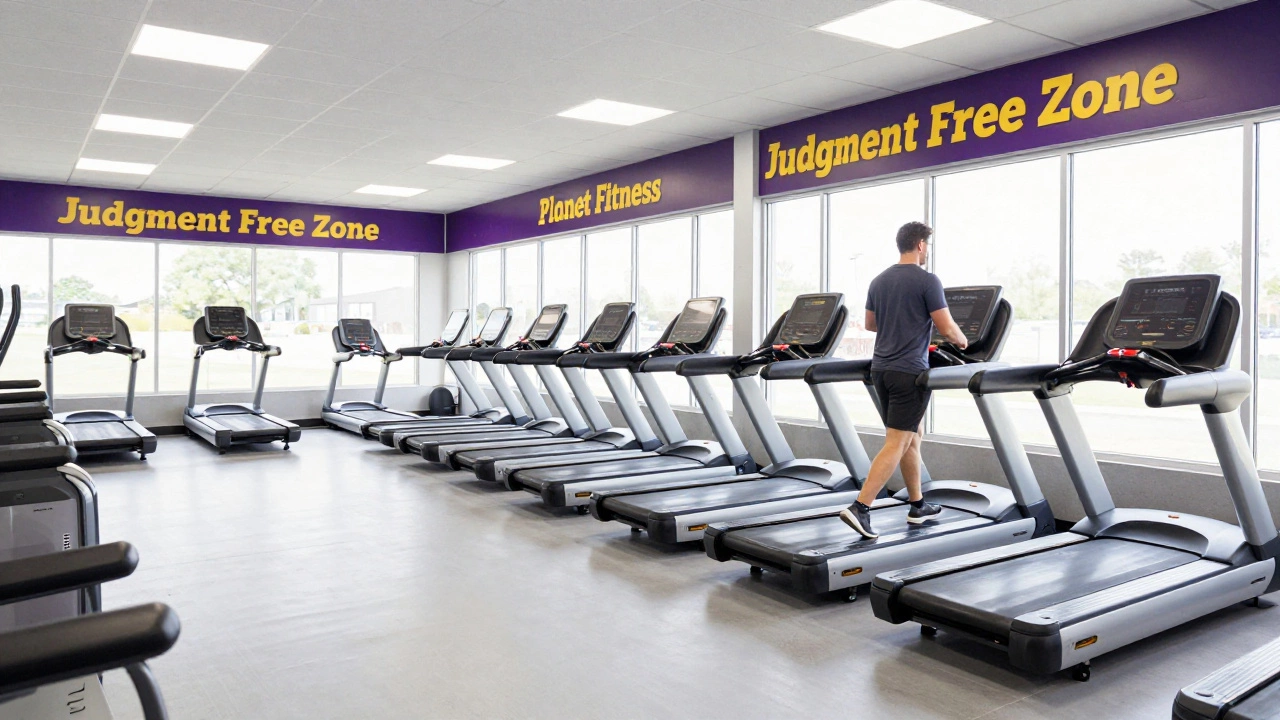
Walk into a Planet Fitness is a large chain of budget-friendly gyms known for its $10 monthly memberships and 'Judgment Free Zone' branding, and the first thing you notice isn’t the equipment-it’s the price tag. While traditional big-box gyms like LA Fitness or 24 Hour Fitness often charge $30 to $50 a month, Planet Fitness (PF) keeps its base rate at around $10. It feels almost too good to be true. Are they losing money on every member? Is the equipment broken? Or is there a secret catch?
The answer lies in a highly optimized business model that strips away everything most people don’t use and maximizes revenue from the millions who do. By understanding how PF operates, you can decide if this model fits your fitness goals-or if you’re better off paying more elsewhere.
Most businesses try to make a lot of money from each customer. Planet Fitness does the opposite. They want to make a little bit of money from a massive number of customers. This is called a high-volume, low-margin strategy.
Imagine two gyms. Gym A has 500 members paying $50 a month. That’s $25,000 in monthly revenue. Gym B has 5,000 members paying $10 a month. That’s also $50,000 in monthly revenue. But Gym B has ten times the customer base. Why does that matter? Because fixed costs-like rent, electricity, and insurance-stay relatively similar regardless of whether you have 500 or 5,000 members. Once those bills are paid, every extra dollar from a member goes straight to profit.
Planet Fitness relies on the fact that most people join a gym with good intentions but rarely show up. Industry data suggests that about 60% of gym members stop using their facility within the first six months. For PF, this is actually a feature, not a bug. They bank on the "no-show" factor. If half their members never walk through the door, the gym stays uncrowded, maintenance costs stay low, and the cheap price point remains sustainable.
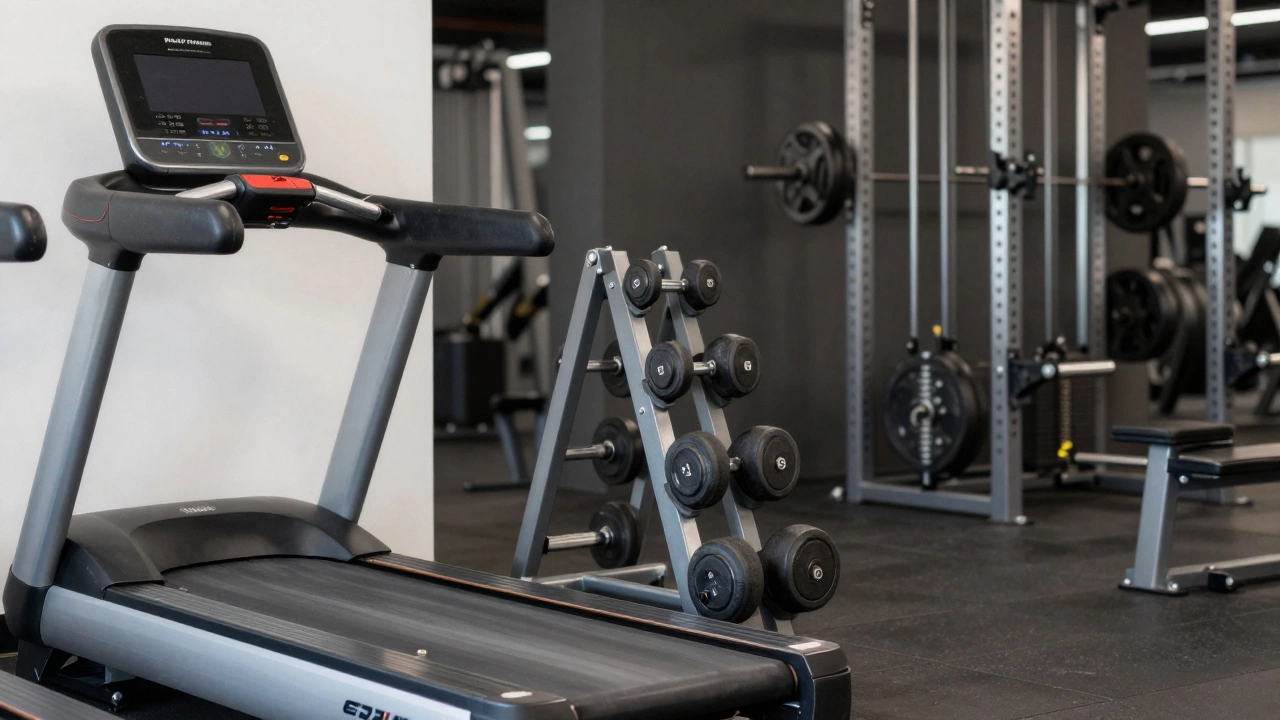
If you’re a serious bodybuilder, Planet Fitness might frustrate you. You won’t find heavy free-weight racks, power cages, or Olympic lifting platforms here. Instead, you’ll see rows of dumbbells that usually top out at 75 pounds, plenty of cardio machines, and some strength-training equipment.
This isn’t an accident. Heavy free weights require significant floor reinforcement, specialized flooring to absorb impact, and more frequent maintenance. They also attract users who spend hours lifting, which limits turnover. By focusing on cardio and light-to-moderate resistance training, PF serves the average person who wants to lose weight or get general toning. These activities require less infrastructure and fewer staff interventions.
Furthermore, the lack of heavy iron means less wear and tear. Cardio machines are durable and standardized. When a treadmill breaks, it’s replaced quickly and cheaply because the parts are universal across thousands of locations. This standardization allows PF to negotiate bulk pricing with manufacturers that smaller gyms can’t match.
| Feature | Planet Fitness | Traditional Gym (e.g., LA Fitness) |
|---|---|---|
| Monthly Cost | $10 - $25 | $30 - $60+ |
| Equipment Focus | Cardio, Light Weights | Heavy Free Weights, Machines, Classes |
| Amenities | Lounge, Tanning, Massage Chairs | Pools, Saunas, Group Studios |
| Target Audience | Beginners, Casual Users | Intermediate to Advanced Athletes |
| Atmosphere | Non-intimidating, Bright | Serious, Industrial |
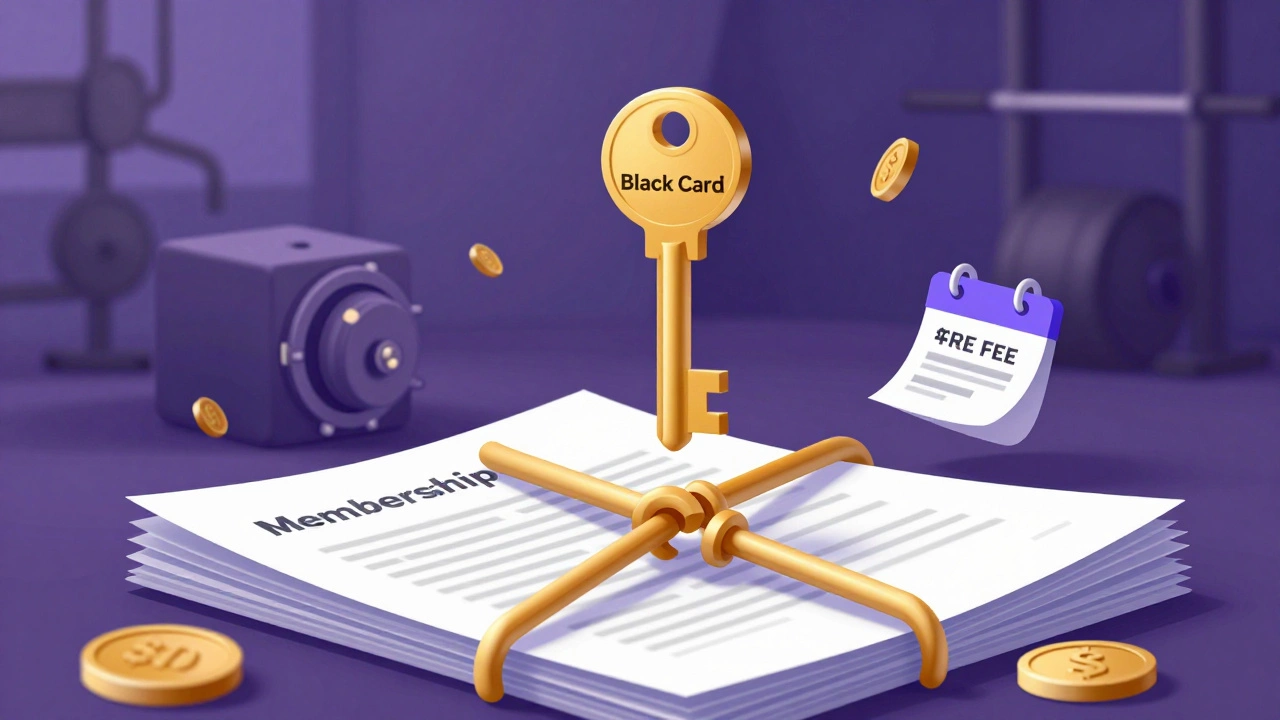
If the $10 membership doesn’t cover all the costs, where does the rest of the money come from? The answer is hidden fees and add-ons. While the advertised price is $10, the actual cost to access all features is higher.
First, there’s the annual fee. Most locations charge an $49 annual fee, billed once a year. This helps offset administrative costs and inflation. Second, there’s the "Black Card" upgrade. For $24.99 a month, members get access to massage chairs, tanning beds, and the ability to bring a guest. This tier attracts users willing to pay more for comfort and convenience. Studies show that a significant portion of PF members eventually upgrade to Black Cards, boosting the average revenue per user (ARPU).
Additionally, PF sells merchandise, protein shakes, and water bottles inside the club. While these sales aren’t huge, they add up across thousands of locations. The real kicker, however, is cancellation difficulty. PF memberships are contracts. Canceling often requires visiting the club in person or sending a certified letter. This friction ensures that even if you stop going, you keep paying. Churn rates are kept artificially low by making exit difficult.
Planet Fitness markets itself as a "Judgment Free Zone." No grunting, no bench pressing, and definitely no intimidating hardcore lifters. They’ve even installed "Lunk Alarms"-loud sirens that go off if someone drops weights or yells. This sounds ridiculous, but it’s a brilliant marketing move.
Most people are intimidated by gyms. They fear being judged for their size, skill level, or lack of knowledge. By explicitly banning behaviors associated with "serious" gym culture, PF creates a safe space for beginners. This expands their market dramatically. They aren’t competing for the 5% of the population that lives in the gym; they’re competing for the 95% who are scared to start.
This demographic shift lowers operational costs too. Beginners tend to use machines and treadmills, which are easier to maintain than complex free-weight setups. They also need less coaching. PF employs very few personal trainers compared to premium clubs. The staff focuses on front-desk operations and cleaning, keeping labor costs minimal.
Planet Fitness operates on a franchise model. Most locations are owned by independent operators who pay PF for the brand name, software, and supply chain access. This structure shifts much of the financial risk away from the corporate entity.
Because PF has over 2,000 locations in the US alone, they have immense buying power. They can buy treadmills, mats, and cleaning supplies at prices far below retail. Franchisees benefit from this scale, allowing them to maintain low prices while still making a profit. Corporate PF makes money through initial franchise fees, ongoing royalties (usually a percentage of sales), and advertising contributions.
This scalability is key. A single gym owner can’t negotiate the same deals with Peloton or Life Fitness as a company with 2,000 stores. PF leverages its size to squeeze margins from suppliers, passing some savings to consumers to drive volume.
Understanding why Planet Fitness is cheap helps you decide if it’s the right fit. If you’re a beginner, hate crowded gyms, and just want to walk on a treadmill or do light circuits, PF is hard to beat. The low barrier to entry means you can start without breaking the bank.
However, if you’re looking to build serious muscle, train for powerlifting, or take advanced group classes, PF will limit you. The lack of heavy weights and the restrictive policies will hinder your progress. In that case, a traditional gym or a boutique studio might be worth the extra $20-$40 a month.
Before signing up, read the fine print. Check the initiation fees, the annual fee timing, and the cancellation policy. The $10 price is real, but the total cost of ownership depends on how long you stay and whether you upgrade to a Black Card.
The base membership is $10 a month, but this does not include an annual fee (usually $49) and may have initiation fees. Additionally, accessing amenities like massage chairs and bringing guests requires upgrading to the Black Card membership, which costs $24.99 a month.
Planet Fitness targets casual users and beginners. Heavy free weights require expensive flooring, maintenance, and attract a niche audience that contradicts their "Judgment Free Zone" brand. By limiting weights to 75 lbs, they reduce costs and appeal to a broader, less intimidated demographic.
They rely on high volume and low churn. Many members pay but rarely visit, covering fixed costs. They also generate revenue through annual fees, Black Card upgrades, merchandise sales, and franchise royalties. The difficulty of canceling memberships also helps retain revenue.
Cancellation is intentionally difficult. Most locations require you to visit in person or send a written letter via certified mail. Online cancellation is rarely an option unless you signed up digitally with specific terms. Always check your contract for the exact procedure.
The Lunk Alarm is a loud siren triggered when members drop weights loudly, grunt excessively, or engage in behavior deemed intimidating. It reinforces the "Judgment Free Zone" policy by discouraging hardcore lifting behaviors that might scare away casual users.