
Calculate how many calories you burn based on your activity type, weight, and duration. This tool uses data from the American College of Sports Medicine to estimate calories burned at different intensities.


Tip: For a 70kg person, you'd need to run 10 miles (about 1 hour) to burn 1000 calories. But you don't need to do it all at once—combine activities throughout the day for better results.
Want to burn 1000 calories in a day? It’s not impossible-but it’s not easy either. If you’re thinking this is just about hopping on a treadmill for an hour, you’re setting yourself up for frustration. Burning that much energy takes planning, intensity, and consistency. And no, you don’t need to spend six hours at the gym. You just need to work smart.
Let’s start with the numbers. A 70kg person burns about 100 calories per mile running at a moderate pace. That means to hit 1000 calories, you’d need to run 10 miles. For most people, that’s a full marathon distance spread over a single day. Not realistic for daily life.
But here’s the truth: calorie burn isn’t just about running. It’s about combining movement types, increasing intensity, and stacking activities. The goal isn’t to do one giant workout-it’s to build a day where every minute counts.
Think of it like filling a bucket with cups. One cup (a 30-minute walk) won’t fill it. But ten cups (a mix of walking, lifting, cycling, and stair climbing) will. The trick is knowing which activities pour the fastest.
Not all exercise is created equal when it comes to calorie burn. Some activities give you more bang for your buck. Here are the top performers, based on real-world data from the American College of Sports Medicine:
These numbers aren’t theoretical. They’re based on people who actually did the workouts-tracked with chest strap heart rate monitors and calibrated to body weight. And yes, your body weight matters. Heavier people burn more. Lighter people need to work harder to hit the same number.
If you’re under 60kg, you’ll need to push harder or add more time. If you’re over 85kg, you’ll hit 1000 calories faster-but don’t mistake that for being “easier.” The effort still needs to be there.
You don’t need to do it all at once. Splitting your effort across the day is smarter, safer, and more sustainable.
Here’s a sample plan that works for someone with a moderate fitness level:
Total: 900-1200 calories. Done.
This plan doesn’t require a gym membership. You can do HIIT in your living room. Rowing can be replaced with swimming or even vigorous dancing. Jump rope? Just grab a $10 rope from the local supermarket.
Some people think, “I’ll just run 10K every day.” But here’s the problem: your body adapts. After a few weeks, that same run burns fewer calories. Your muscles get efficient. Your heart doesn’t have to work as hard.
That’s why variety matters. Mixing cardio with strength training keeps your metabolism guessing. Strength training doesn’t burn many calories during the session-but it spikes your calorie burn for hours after. This is called EPOC: Excess Post-exercise Oxygen Consumption.
Studies show that a 45-minute heavy strength session can boost your calorie burn by 15-20% for up to 24 hours. That’s an extra 150-300 calories burned while you sleep, watch TV, or sit at your desk.
So if you’re only doing cardio, you’re leaving calories on the table. Add squats, deadlifts, push-ups, and pull-ups to your routine-even just twice a week-and you’ll see faster results.
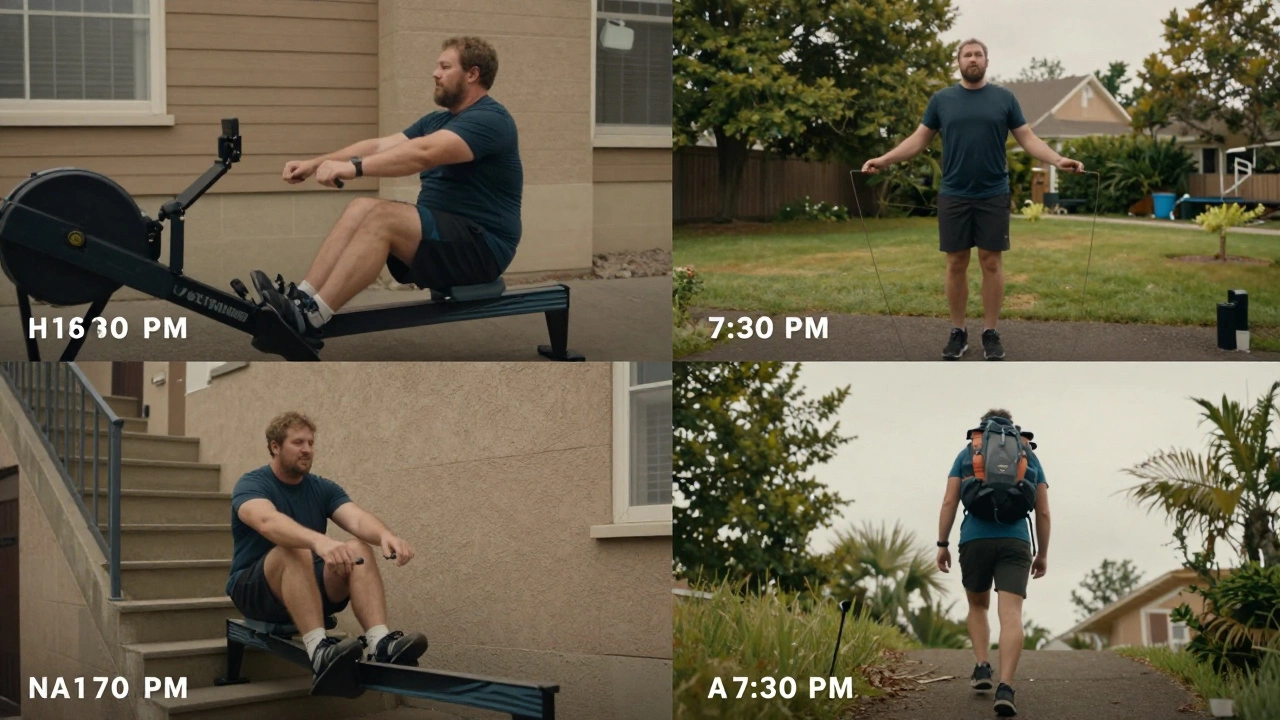
Technically, yes. But it’s not practical.
A 70kg person walking at 5 km/h burns about 250 calories per hour. To hit 1000, you’d need to walk for 4 hours. That’s a full workday’s worth of walking-on flat ground, no hills, no breaks.
Most people can’t do that. They get tired. Their feet hurt. Their schedule doesn’t allow it. And if you’re walking for 4 hours, you’re probably not doing anything else-meaning you’re missing out on muscle-building benefits.
Walking is great for recovery, mental health, and daily movement. But if your goal is 1000 calories, walking alone won’t cut it unless you’re doing it on steep terrain or carrying weight.
Try this: Walk 1.5 hours with a 10kg backpack on a hill. Now you’re burning 500-600 calories. That’s a solid start. Add a 30-minute HIIT session, and you’re halfway there.
There are traps everyone falls into when trying to burn 1000 calories a day.
You don’t need to count every single calorie. But you do need to know if you’re moving in the right direction.
Use these simple markers:
These are better indicators than a number on a scale or a fitness app. If you’re doing 1000 calories worth of work consistently for 4 weeks, you’ll notice changes in how your clothes fit, how you move, and how you feel.
And if you miss a day? Don’t panic. One day off won’t ruin progress. What ruins progress is guilt, then quitting.
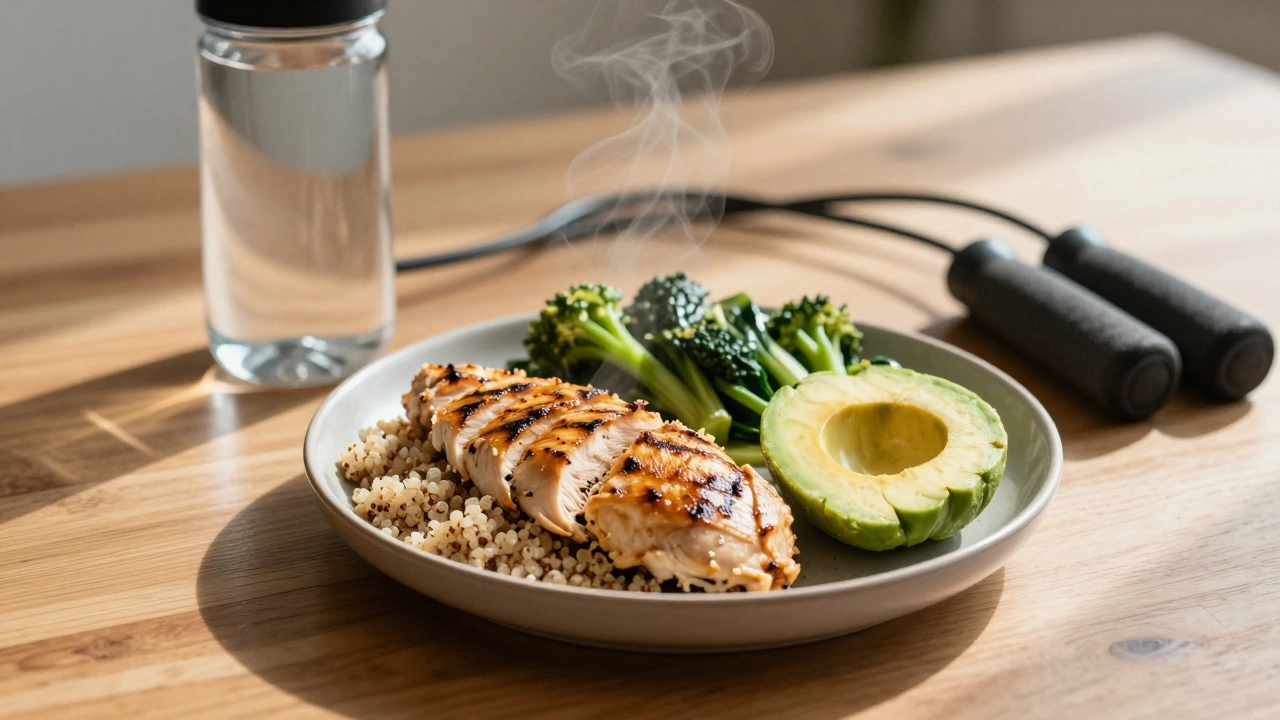
Burning 1000 calories a day means your body is using a lot of fuel. If you’re not eating enough, you’ll crash. If you’re eating junk, you’ll feel sluggish.
Focus on:
Don’t skip meals. Eat every 3-4 hours. Your body needs steady fuel. A protein shake after HIIT? Great. A sugary snack? Not so much.
This plan isn’t for everyone. If you have:
Then start slower. Aim for 500-600 calories a day first. Talk to a doctor or physiotherapist. Pushing too hard can cause more harm than good.
There’s no prize for burning 1000 calories on day one. The prize is staying consistent for 100 days.
Burning 1000 calories a day isn’t a magic number. It’s a tool. It’s a way to build discipline, resilience, and physical strength. But if you’re doing it just to burn calories, you’ll quit when the motivation fades.
Do it because you like how you feel after a hard workout. Because you sleep better. Because you have more energy to play with your kids or hike on weekends. Because you’re not just chasing a number-you’re building a life.
Start today. Not with a 10K run. But with 10 minutes of movement. Then 20. Then 30. Build it. Slowly. Consistently. That’s how real change happens.
Yes, but only if you’re already fit. A 75kg person doing 45 minutes of HIIT or rowing can burn 800-1000 calories in one session. But for most people, splitting the effort across the day is safer and more sustainable. Trying to do it all at once increases injury risk and leads to burnout.
No. You can do HIIT with bodyweight exercises, jump rope at home, climb stairs, or swim at a local pool. Rowing machines and treadmills help, but they’re not required. What matters is intensity and consistency-not the equipment.
Probably, but only if you’re not eating back every calorie you burn. A 1000-calorie deficit per day equals about 1kg of fat loss per week. But if you’re eating 3000 calories while burning 1000, you’re still in a surplus. Weight loss happens when you burn more than you consume-not just when you burn a lot.
For a 70kg person walking at 5 km/h on flat ground, it takes about 4 hours. If you walk uphill or carry a backpack, you can cut that time to 2.5-3 hours. But most people find this impractical for daily use. Combining walking with higher-intensity activities is a better strategy.
It’s safe if you’re already active and well-nourished. But if you’re new to exercise, underweight, or recovering from illness, it’s too much. Start with 500-600 calories a day and build up. Listen to your body. Fatigue, dizziness, or joint pain are signs to slow down.
Jump rope at a fast pace (120-140 skips per minute) for 60 minutes. This can burn 900-1100 calories depending on your weight. Rowing at high intensity for 50-60 minutes is a close second. Both require high effort and good technique to avoid injury.