Select the habits you currently practice to calculate your risk level.
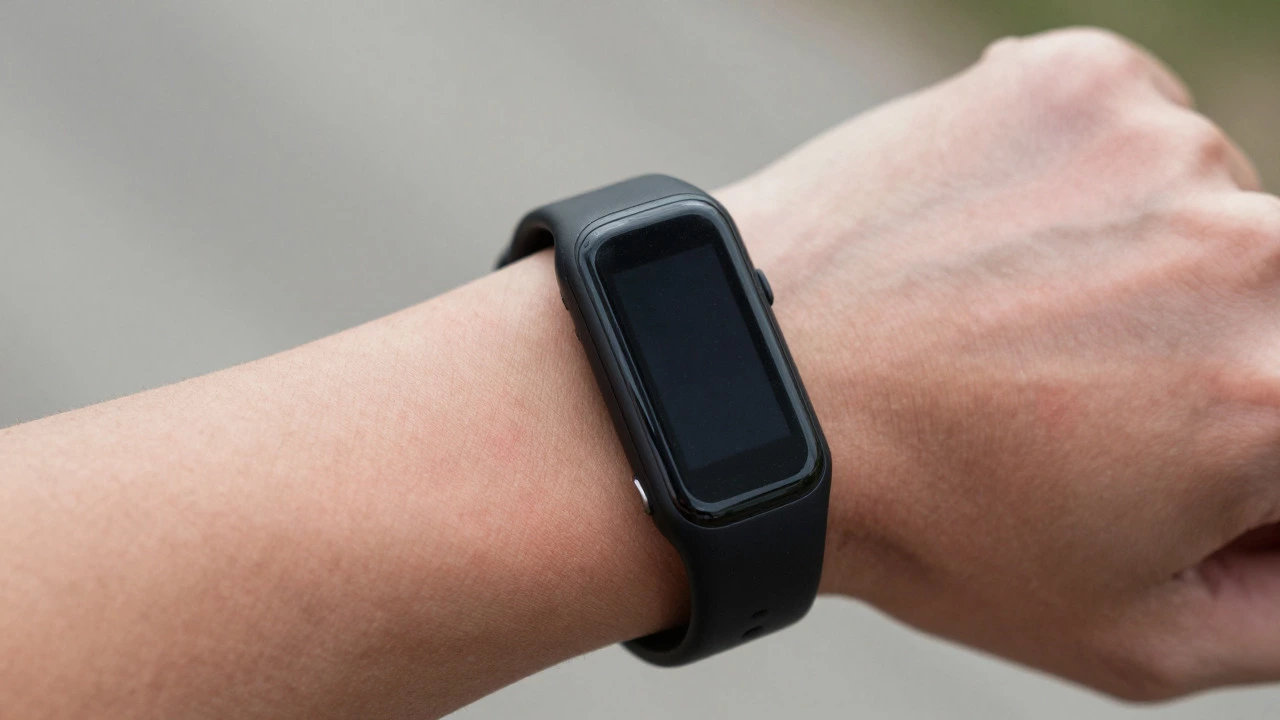
You strap on your fitness tracker, check your step count, and forget it’s there. It becomes a second skin, logging your sleep, stress levels, and heart rate around the clock. But have you ever stopped to ask if wearing that device 24/7 is actually good for you?
The short answer is yes, it is generally safe. However, "safe" doesn't mean "risk-free." There are physical, data-related, and psychological nuances to consider when you turn your wrist into a permanent monitoring station. Let’s break down what happens to your body and your mind when you never take it off.
The most immediate risk of 24/7 wear isn’t radiation or data breaches-it’s your skin. Your wrist is a high-movement area that sweats, traps moisture, and rubs against surfaces. When you add a band made of silicone, rubber, or leather, you create a perfect storm for irritation.
| Issue | Cause | Symptoms |
|---|---|---|
| Contact Dermatitis | Allergic reaction to nickel in sensors or chemicals in bands | Redness, itching, blistering |
| Folliculitis | Bacteria trapped under the band causing hair follicle inflammation | Pimple-like bumps, pain |
| Maceration | Prolonged exposure to sweat and moisture softening the skin | White, wrinkled, fragile skin |
To prevent this, you need to treat your tracker like jewelry, not an implant. Take it off during showers to let your skin breathe. Clean the back of the sensor with alcohol wipes weekly. If you notice any red marks lasting more than an hour after removal, switch to a breathable fabric band or take longer breaks.
Most modern trackers use photoplethysmography (PPG) optical sensors that shine green light into your skin to measure blood flow changes. This technology has improved dramatically since its early days. Devices like the Apple Watch or Garmin Fenix series can detect irregular heart rhythms, including atrial fibrillation (AFib).
However, continuous monitoring comes with a catch: false positives. Motion artifacts, tight bands, or even tattoos can confuse the sensor. A sudden spike in heart rate might just be you raising your arm, but the algorithm interprets it as stress or exertion. For most people, this is annoying. For those with health anxiety, it can be triggering.
If you have a known heart condition, do not rely solely on your tracker for medical decisions. These devices are Class II medical devices in many regions, meaning they are cleared for general wellness, not diagnosis. Always confirm abnormal readings with a clinical ECG or a doctor’s visit.
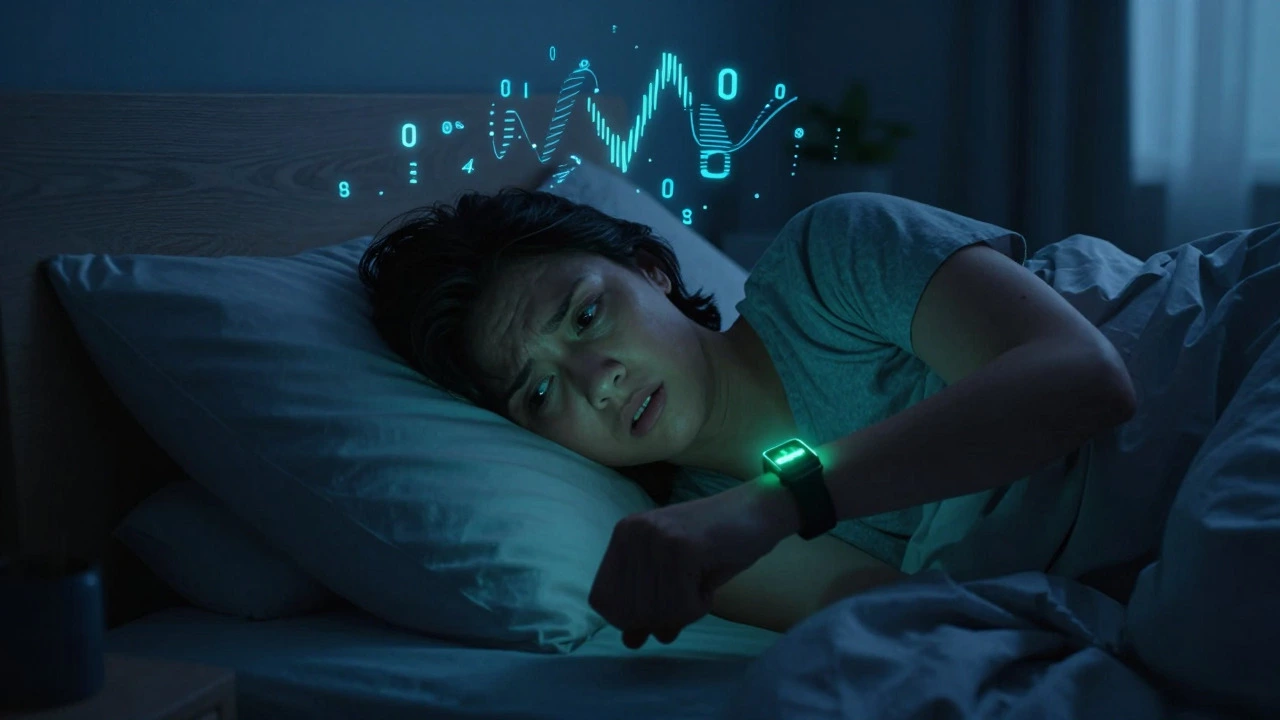
One of the biggest selling points of 24/7 wear is sleep analysis. You get detailed breakdowns of REM, deep sleep, and wake times. On paper, this sounds empowering. In practice, it can lead to "orthosomnia"-a condition where you become obsessed with achieving perfect sleep scores.
Studies suggest that when users focus too much on their sleep metrics, they experience increased anxiety about sleeping, which ironically worsens their actual sleep quality. The tracker tells you you only got 6 hours of deep sleep, so you lie awake worrying about it until morning.
Use sleep data as a trend indicator, not a daily grade. Look at patterns over weeks, not nights. If your tracker says you slept poorly but you feel rested, trust your body. If you feel exhausted despite a "good" score, investigate other factors like diet or stress.
A common concern is whether the Bluetooth and Wi-Fi signals from your tracker emit harmful radiation. The truth is, the electromagnetic fields (EMF) emitted by fitness trackers are non-ionizing and extremely low power. They are far weaker than your smartphone, which you likely hold closer to your head for longer periods.
Research from organizations like the World Health Organization (WHO) has found no conclusive evidence linking low-level EMF exposure from consumer electronics to adverse health effects. The energy levels are simply too low to damage DNA or cells. Unless you are wearing a tracker that emits ionizing radiation (which none do), this risk is negligible.
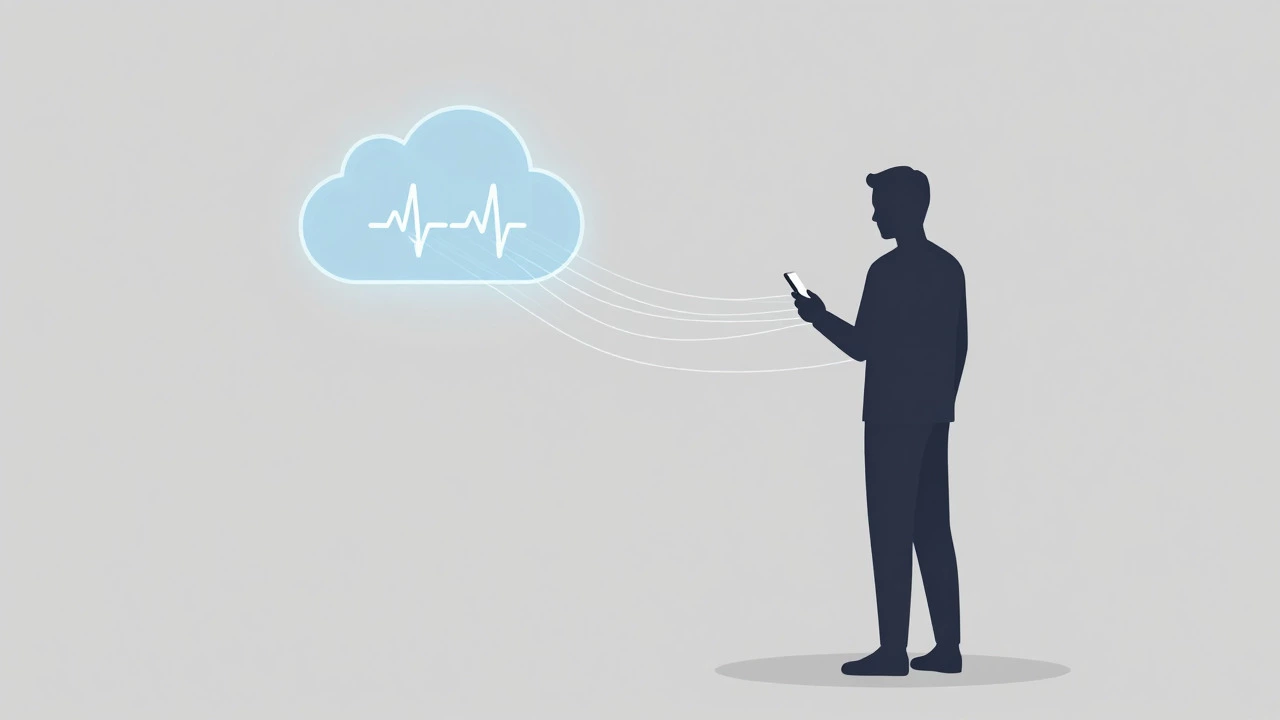
Physical safety is only half the equation. When you wear a tracker 24/7, you generate a massive amount of personal data. Heart rate variability, location history, sleep patterns, and even voice recordings (if it has a microphone) are stored on servers owned by tech companies.
This data can be vulnerable to breaches. More subtly, it can be used for insurance purposes or sold to advertisers. In 2025, several major health app providers faced scrutiny over how they shared user data with third-party partners. Before committing to 24/7 wear, review the privacy policy of your specific device. Enable two-factor authentication, limit location sharing, and consider using a device that allows local data storage if privacy is a top priority.
There is a psychological aspect to constant connectivity. Some users develop a dependency on their tracker for validation. Did I burn enough calories? Did I hit my step goal? This external validation can undermine your internal awareness of hunger, fatigue, and effort.
Try doing a "digital detox" day once a month. Leave the tracker at home. Notice how your body feels without the numbers. Do you walk less because you’re not counting steps, or do you move more freely because you’re not stressed about hitting a target? Reconnecting with your body’s natural cues is essential for long-term health.
If you decide the benefits outweigh the risks, follow these guidelines to minimize harm:
Wearing a fitness tracker all the time is safe for most people, provided you manage skin hygiene, data privacy, and psychological dependence. The benefits of continuous monitoring-early detection of irregularities, improved sleep awareness, and motivation for activity-are significant. But remember, the tracker is a tool, not a master. Use it to inform your health decisions, not dictate them.
No. Fitness trackers emit non-ionizing radiation at levels far below those considered harmful. There is no scientific evidence linking wearable devices to cancer.
It depends on the device. Many modern trackers are water-resistant, but soap and shampoo can degrade the seals and materials over time. Additionally, removing it allows your skin to breathe and reduces the risk of bacterial buildup.
They are generally accurate for resting and steady-state exercise. However, they can struggle with high-intensity interval training (HIIT) or activities involving rapid wrist movements. Clinical ECGs remain the gold standard for medical accuracy.
Clean the band and sensor daily with a mild soap and water solution. Disinfect the sensor area with an alcohol wipe once a week to prevent bacterial growth and skin irritation.
Orthosomnia is a form of sleep anxiety where individuals become obsessed with achieving perfect sleep metrics on their trackers, leading to increased stress and worse actual sleep quality.