Estimated Cost:
Select your preferences and click "Find My Best Match" to see our recommendation.
Remember when Fitbit was the undisputed king of wrist-worn health monitoring? That era feels like a lifetime ago. Since Google acquired the brand in 2021, the landscape has shifted dramatically. Today, asking "who is Fitbit's biggest competitor" isn't just about finding a cheaper band; it's about deciding which ecosystem aligns with your specific health goals in 2026.
The short answer? It depends on what you value most. If you want pure athletic performance data, Garmin dominates. If you are locked into the smartphone world, Apple Watch is the heavy hitter. But for those seeking sleep optimization and recovery metrics without a screen, Whoop has carved out a massive niche. Let’s break down who actually beats Fitbit in each category and why you might be better off switching today.
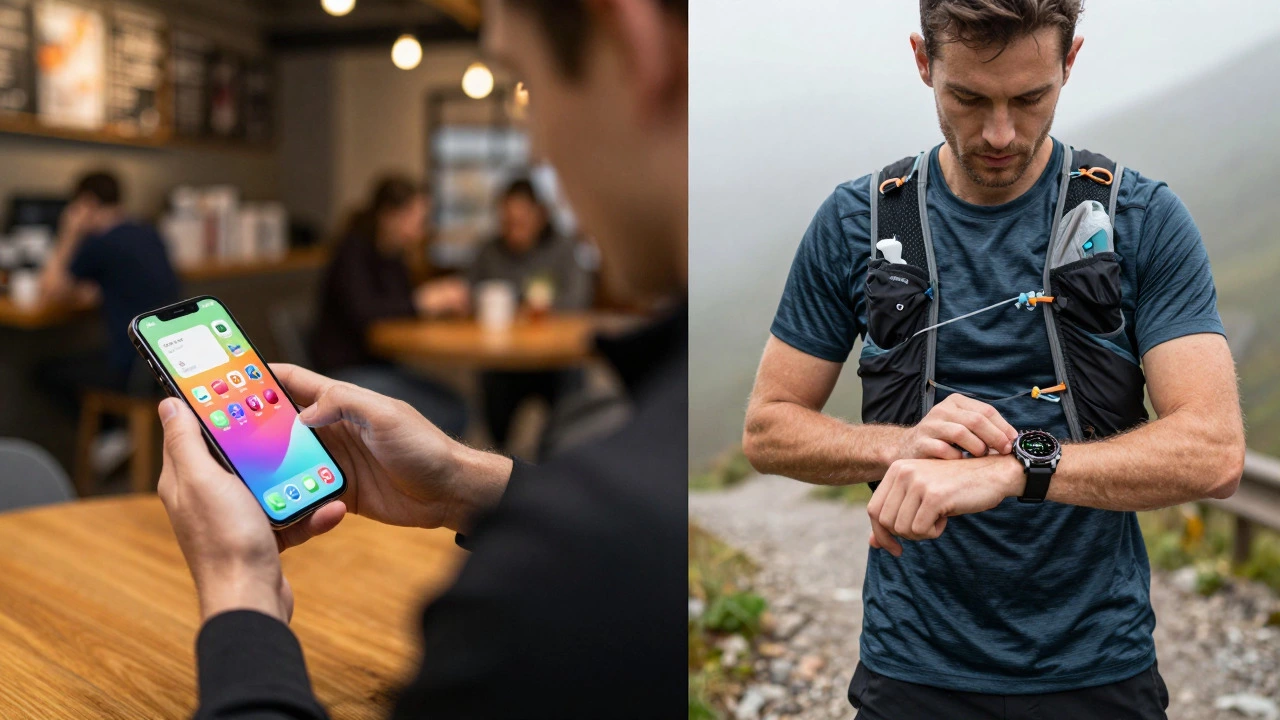
For the vast majority of users, especially those with an iPhone, Apple Watch is the primary rival to Fitbit in terms of market share and feature integration. As of 2026, the latest Series 10 and Ultra 3 models offer hardware that far surpasses the standard Fitbit Charge or Sense lines.
Why does Apple win here? Integration. When you open your heart rate app, check notifications, or pay for coffee, the friction is near zero. Fitbit requires opening a separate app, syncing, and navigating a different interface. In 2026, convenience is the ultimate luxury. The ECG app, blood oxygen sensing, and fall detection are now standard features that were once premium add-ons or missing entirely from mid-range trackers.
However, there is a catch. The battery life. While newer models stretch to two days, they still require daily charging. For users who hate plugging in their device every night, this is a dealbreaker. Fitbit’s multi-day battery life remains its strongest defense against Apple, but the gap in smart features continues to widen.
If you run marathons, hike trails, or train for triathlons, Garmin is the definitive competitor to Fitbit for serious athletes. Fitbit tracks steps and estimates calories; Garmin analyzes training load, VO2 Max trends, and recovery time with clinical precision.
In 2026, Garmin’s ecosystem, powered by the Connect IQ platform, allows for deep customization. You can install third-party apps, create custom data fields, and sync with specialized sports software like TrainingPeaks. The Fenix 8 and Epix Pro series offer solar charging options that can last weeks on a single charge, making them ideal for ultra-endurance events where Fitbit would have died days ago.
The trade-off is complexity. Garmin’s interface is dense. It prioritizes data density over simplicity. If you just want to know if you hit your step goal, Garmin might feel overwhelming. But if you want to understand why your legs felt heavy after yesterday’s interval session, Garmin provides the insights Fitbit simply cannot match.
| Feature | Fitbit (Sense 2) | Apple Watch (Series 10) | Garmin (Venu 3) | Whoop (4.0) |
|---|---|---|---|---|
| Battery Life | 6-7 days | 18 hours | 14 days | 5 days |
| Primary Focus | General Health & Wellness | Smartphone Extension & Fitness | Sports Performance & Endurance | Recovery & Sleep Optimization |
| Subscription Cost | $9.99/month (Premium) | $0 (Free) | $0 (Free) | $30/month (Mandatory) |
| Screen Type | AMOLED | Always-On Retina | AMOLED | OLED (No traditional display) |
A few years ago, Whoop was a niche tool for professional athletes and biohackers. Today, it is a mainstream contender that challenges Fitbit’s core value proposition: understanding your body’s readiness.
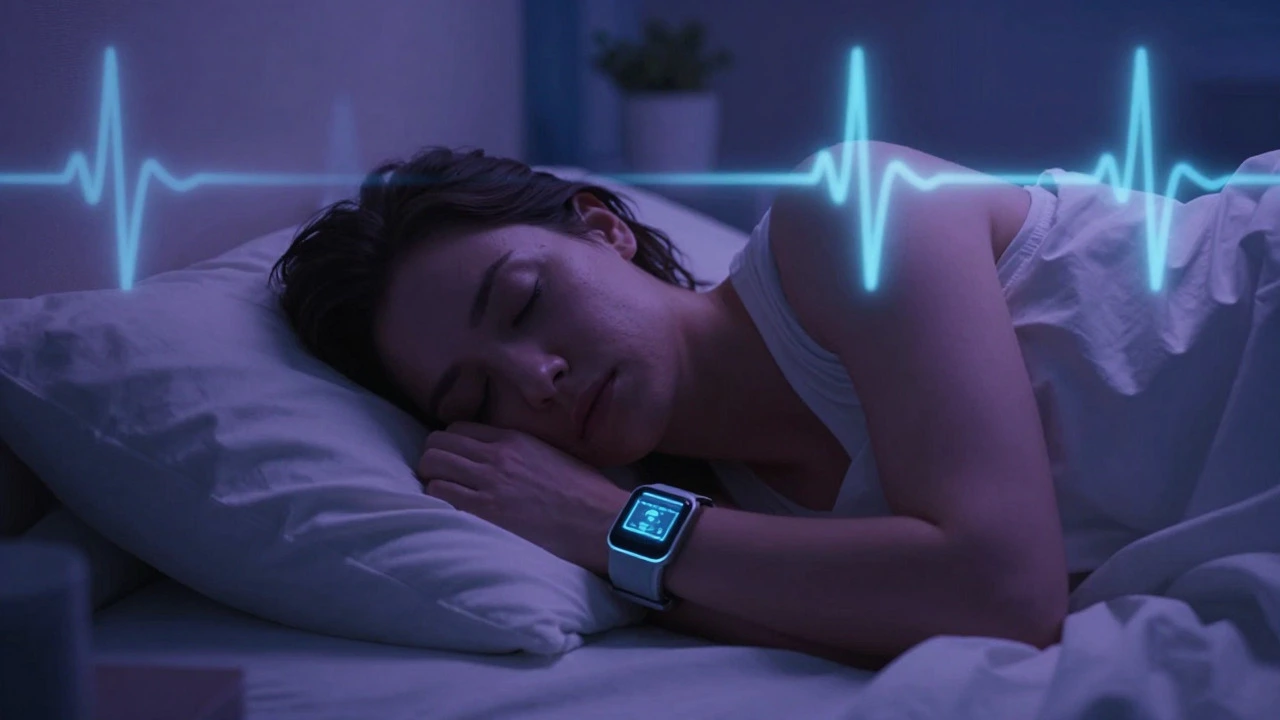
Whoop doesn’t care about your step count. It cares about your Strain Score and Recovery Score. By analyzing Heart Rate Variability (HRV), resting heart rate, and sleep stages, Whoop tells you how hard you should push today. This is a paradigm shift from Fitbit’s gamified approach of closing rings or hitting daily goals.
The biggest barrier to entry is the business model. Whoop requires a mandatory subscription. There is no one-time purchase. In 2026, this model has proven sustainable because the data analysis is cloud-based and constantly updated with new algorithms. For users who view fitness as a science rather than a game, Whoop offers deeper insights than Fitbit Premium ever could.
If you use an Android phone, Samsung Galaxy Watch is the direct equivalent to the Apple Watch in the Android ecosystem. With the release of the Galaxy Watch 8 series in 2026, Samsung has closed the gap in health sensors, adding improved body composition analysis and advanced sleep apnea detection.
Samsung’s integration with Google services makes it a seamless choice for Android users who find Fitbit’s app clunky. The Wear OS platform allows for a wider range of apps and widgets compared to Fitbit’s proprietary OS. Plus, the build quality often rivals premium watches at a lower price point, especially during sales events.
Fair question. Fitbit still holds ground in three specific areas:
However, the rise of free health tracking features on smartphones and other wearables has eroded Fitbit’s unique selling points. The Premium subscription, while offering detailed reports, feels less essential when competitors provide robust baseline data for free.
Your choice shouldn’t be based on brand loyalty. It should be based on your primary "job-to-be-done." Here is a quick decision tree:
In 2026, the line between a fitness tracker and a smartwatch is blurred. Your best bet is to identify which platform integrates seamlessly with your current lifestyle and devices. Don’t buy the hardware; buy the ecosystem that keeps you motivated.
Yes, Google completed its acquisition of Fitbit in January 2021. Since then, Fitbit devices have been integrated more closely with Google services, including YouTube Music, Google Wallet, and Pixel phones. However, the Fitbit app and ecosystem remain distinct from the main Google Health platform.
Yes, Fitbit works well with Android phones. In fact, many Android users prefer Fitbit over Samsung or Huawei options due to its cross-platform compatibility and user-friendly app. However, some smart features like reply-to-messages may be limited depending on the Android version and manufacturer.
Whoop is generally considered superior for sleep tracking because it focuses exclusively on recovery and uses advanced HRV analysis. Fitbit provides good sleep stage breakdowns, but Whoop’s actionable insights on how sleep affects your next day’s performance are more detailed. However, Whoop requires a subscription, whereas Fitbit’s basic sleep data is free.
Yes, unlike Whoop, Garmin does not require a subscription for its core features. All health metrics, GPS tracking, and workout analytics are available for free. Garmin Connect offers some advanced coaching plans for a fee, but the vast majority of users never need them.
Yes, the Apple Watch is highly accurate for heart rate monitoring, often matching chest strap monitors in controlled studies. In 2026, the optical sensors in the Series 10 and Ultra 3 have been further refined to handle high-intensity intervals and cold weather conditions better than previous generations.