
Have you scrolled past a video of someone walking on a treadmill looking like they are about to pass out, yet somehow finishing with a smile? That is likely the 12-3-30 workout. It has taken social media by storm, promising weight loss and better posture without the need for complex equipment or hours in the gym. But before you rush out to buy a machine, let’s break down exactly what this routine is, whether it actually works, and if it is right for your body.
The concept is deceptively simple. Created by fitness influencer Lauren Giraldo, the protocol requires you to set your treadmill to a 12% incline, walk at a speed of 3 miles per hour, for a duration of 30 minutes. No running, no jumping, just steady, steep walking. It sounds easy until you try it. That steep angle turns a casual stroll into a serious cardiovascular challenge that engages muscles most people forget exist.
To understand why this specific combination went viral, we need to look at the biomechanics involved. The numbers represent three distinct variables in your workout session.
When you combine these factors, you create a workout that mimics hiking up a steep hill. Unlike running, which is high-impact and stressful on joints, this method keeps one foot on the ground at all times, reducing shock absorption requirements for your knees and ankles.
Social media trends often favor simplicity and visual proof. The 12-3-30 workout checks both boxes perfectly. First, it requires zero technical skill. You don’t need to learn a squat depth or master a deadlift hinge. You just press start and walk. Second, the results are visible. Many users reported improved tone in their legs and buttocks within weeks, along with general fat loss.
There is also a psychological component. Walking feels less like "exercise" to many people compared to sprinting or lifting heavy weights. It lowers the barrier to entry. If you hate going to the gym because you feel intimidated by the free weights section, walking on a treadmill feels safe and manageable. The viral nature of the trend created a sense of community; thousands of people were doing the same thing at the same time, sharing tips and encouragement online.
Furthermore, the timing was perfect. As remote work became more common, people sought effective workouts they could do at home without buying a full rack of dumbbells. A single treadmill became a viable centerpiece for a home gym setup.
While weight loss is the primary driver for most participants, the physiological benefits extend deeper. Let’s look at what happens to your body during those 30 minutes.
Cardiovascular Health: Walking at an incline significantly raises your heart rate compared to flat walking. Studies show that incline walking can increase oxygen consumption by up to 60% compared to level walking at the same speed. This improves your VO2 max, a key indicator of aerobic fitness and longevity.
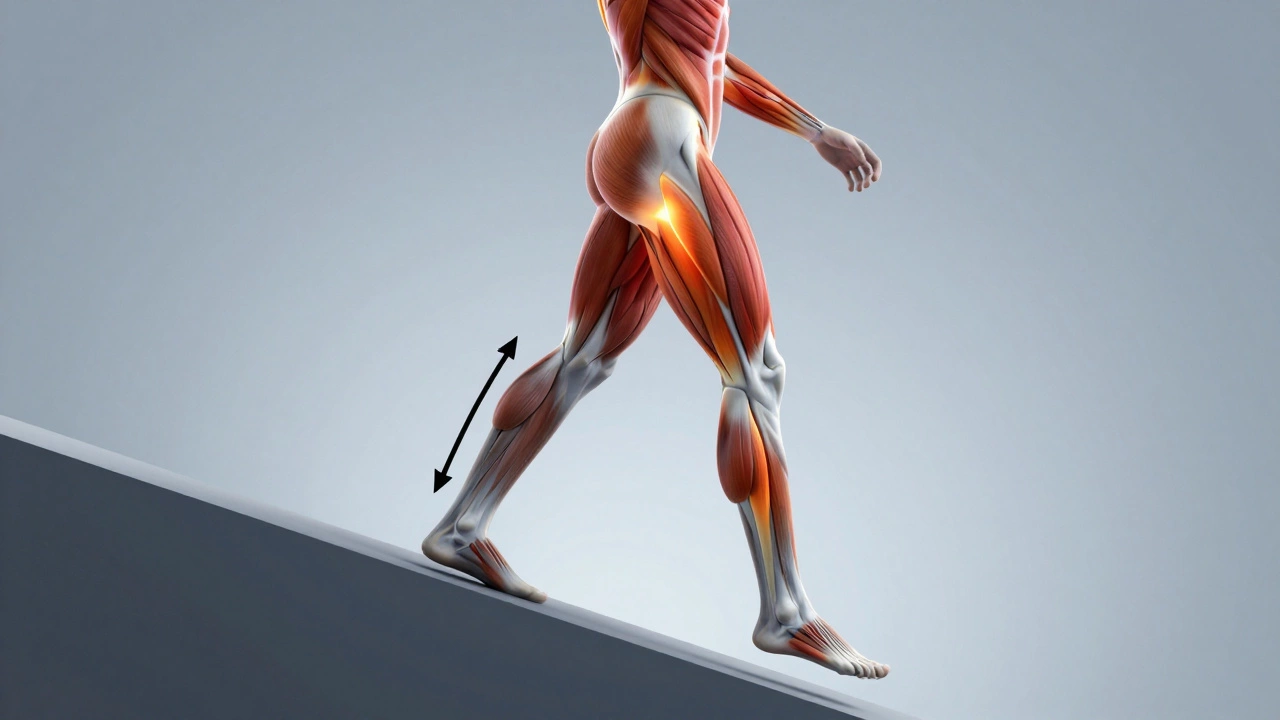
Muscle Activation: The steep angle shifts the workload from your anterior chain (quads) to your posterior chain (glutes, hamstrings, and calves). Your gluteus maximus works overtime to extend your hip against gravity. Over time, this can lead to noticeable toning in the lower body. Additionally, your core muscles engage constantly to stabilize your torso as you lean slightly forward.
Posture Improvement: Proper form for the 12-3-30 workout requires standing tall. Many people slouch while walking on flat surfaces. On an incline, leaning back causes you to fall off the back of the belt. This forces you to engage your upper back and abs, potentially counteracting the "tech neck" posture caused by hours of sitting at a desk.
| Feature | Flat Walking (3 mph) | 12-3-30 Incline Walk |
|---|---|---|
| Heart Rate Zone | Low to Moderate | Moderate to High |
| Primary Muscles Used | Quads, Calves | Glutes, Hamstrings, Core |
| Calorie Burn (approx.) | ~150-200 kcal/30 min | ~250-350 kcal/30 min |
| Joint Impact | Low | Very Low |
| Difficulty Level | Easy | Challenging |
This workout is not for everyone, but it fits a specific demographic very well. It is ideal for beginners who want to build endurance without the joint stress of running. It is also excellent for intermediate exercisers looking for an active recovery day or a way to add volume to their weekly cardio without overtraining.
If you have a busy schedule, the fixed 30-minute window makes it easy to plan. You know exactly how long it will take. There is no warm-up ramp-up phase needed beyond a few minutes of easier walking, and there is no cool-down complexity. Just get on, set the numbers, and go.
However, caution is advised for individuals with knee issues, ankle instability, or severe back problems. While it is low-impact, the repetitive motion on a steep incline can aggravate existing injuries if form breaks down. Always consult a physician before starting any new intense exercise regimen.
Even though the instructions are simple, people make errors that reduce effectiveness or cause injury. Here is how to do it right.

You don’t need to do the 12-3-30 every day. In fact, doing it daily might lead to overuse injuries or burnout. A sustainable approach is to perform it 3 to 4 times a week. On other days, mix in strength training, yoga, or flat walking to vary the stimulus on your body.
If you find 30 minutes too daunting at first, scale it down. Try 12-3-15 (15 minutes) or even 10-3-20 (10% incline for 20 minutes). Gradually increase the intensity as your fitness improves. Consistency beats intensity in the long run.
Pair this workout with a balanced diet. Exercise alone rarely leads to significant weight loss if caloric intake remains high. The 12-3-30 creates a calorie deficit, but nutrition determines the final result.
Not everyone owns a treadmill. That doesn’t mean you can’t replicate the benefits. Here are some alternatives that mimic the incline walking effect.
Outdoor Hill Walking: Find a steep hill in your local park. Use a GPS watch or app to track your pace and distance. Match the effort level of the 12-3-30. The uneven terrain adds stability challenges, which is an extra bonus.
Incline Dumbbell Marches: Stand on a sturdy step or box. Hold light dumbbells. March in place, driving your knees up high. This simulates the hip extension of incline walking while adding upper body engagement.
Climbing Stairs: If you live in an apartment building with stairs, climbing them continuously for 30 minutes provides similar cardiovascular and muscular benefits. Be mindful of your descent to protect your knees.
The 12-3-30 workout is not magic. It will not melt away pounds overnight. However, it is an efficient, scientifically sound method for improving cardiovascular health and toning the lower body. Its popularity stems from its accessibility and consistency. If you stick with it, you will see results. The key is not the novelty of the numbers, but the discipline to repeat them week after week.
For many, it serves as a gateway habit. Once you establish the routine of showing up for 30 minutes, you may find yourself motivated to add more variety to your fitness journey. Whether it stays in your rotation or serves as a stepping stone, the 12-3-30 has earned its place in modern fitness culture.
While you physically can, it is generally recommended to rest between sessions. Doing it 3-4 times a week allows your muscles and joints to recover. Daily practice may increase the risk of overuse injuries like shin splints or knee pain. Listen to your body and incorporate rest days or cross-training activities.
Yes, it can contribute to weight loss by burning calories and boosting metabolism. However, weight loss primarily depends on a caloric deficit achieved through diet. The workout helps create that deficit, but without proper nutrition, results will be limited. Combine it with a healthy eating plan for best results.
Most home treadmills max out at 10% or 15%. If yours goes to 10%, use that setting. To compensate, you can slightly increase the speed to 3.2 or 3.5 mph, or extend the time to 35-40 minutes. The goal is to maintain a challenging heart rate zone. Adjust the variables to match the intensity of the original protocol.
No, holding the handrails significantly reduces the effectiveness of the workout. It decreases calorie burn and prevents your core from engaging properly. Try to walk without holding on. If you feel unstable, reduce the incline or speed until you can maintain balance independently.
It can be, but beginners should start slowly. Instead of jumping straight into 12-3-30, try a lower incline (5-8%) and slower speed (2-2.5 mph) for 15-20 minutes. Gradually increase the difficulty over several weeks. This approach builds endurance and strength safely without overwhelming your body.