Based on scientific research, beginners typically see neural adaptation gains in strength before significant muscle growth. This tool estimates your realistic strength improvements after 2 weeks of proper training.
Squat: 0 lbs (+7.5%)
Bench Press: 0 lbs (+7.5%)
Deadlift: 0 lbs (+7.5%)
Important Note: These gains come from neural adaptation - your nervous system firing muscle fibers more efficiently. Actual muscle growth in two weeks is typically only 0.5 pounds for most beginners. Focus on the strength gains, not size changes!
You’ve seen the ads: get huge muscles in two weeks. Flashy before-and-afters. Guys lifting weights like they’re in a movie. But here’s the truth: you cannot build significant muscle in two weeks. Not without steroids, not without genetic luck, not even if you train 12 hours a day. Muscle growth isn’t magic. It’s biology. And biology takes time.
But that doesn’t mean two weeks are wasted. You can start building the foundation for real muscle gain. You can shock your body into adaptation. You can look leaner, feel stronger, and set yourself up to grow fast in the next 60 days. This isn’t about quick fixes. It’s about smart starts.
When you start lifting heavy for the first time-or even if you’ve taken a break-your body doesn’t immediately grow muscle fibers. In the first 10 to 14 days, you’re mostly retraining your nervous system. Your brain learns how to fire more muscle fibers at once. That’s why you feel stronger before you see bigger arms.
Studies show that beginners can gain 1 to 2 pounds of lean muscle in their first month, but only if they’re eating enough protein, sleeping well, and lifting with intensity. In two weeks, you might gain half a pound. That’s it. But that half pound? It’s real. And it’s the start of something bigger.
What you’ll notice more than size? Your clothes fit tighter. Your shoulders look broader. Your squat feels lighter. That’s neural efficiency. That’s progress. Don’t mistake it for muscle mass-but don’t ignore it either.
There’s no shortcut. But there are proven ways to make every rep count. Here’s what actually works:
Example: Your Monday workout could be:
That’s it. No fancy machines. No 10 different exercises. Just heavy, basic movements. Do this three times a week, with at least one rest day between.
You can train like a beast, but if you’re not eating enough, your body won’t build muscle. It’ll just burn through itself.
Here’s the simple math:
Example meal plan for a 75kg guy:
This isn’t fancy. It’s effective. And it’s sustainable.
You can lift heavy, eat right, and still not grow if you’re sleeping five hours a night. Growth hormone peaks during deep sleep. Recovery happens when you’re not training. If you’re tired, your workouts suck. Your form breaks down. You risk injury.
Shoot for 7-9 hours. No exceptions. No excuses. Put your phone away an hour before bed. Keep your room cool. Get dark. Sleep like your gains depend on it-because they do.
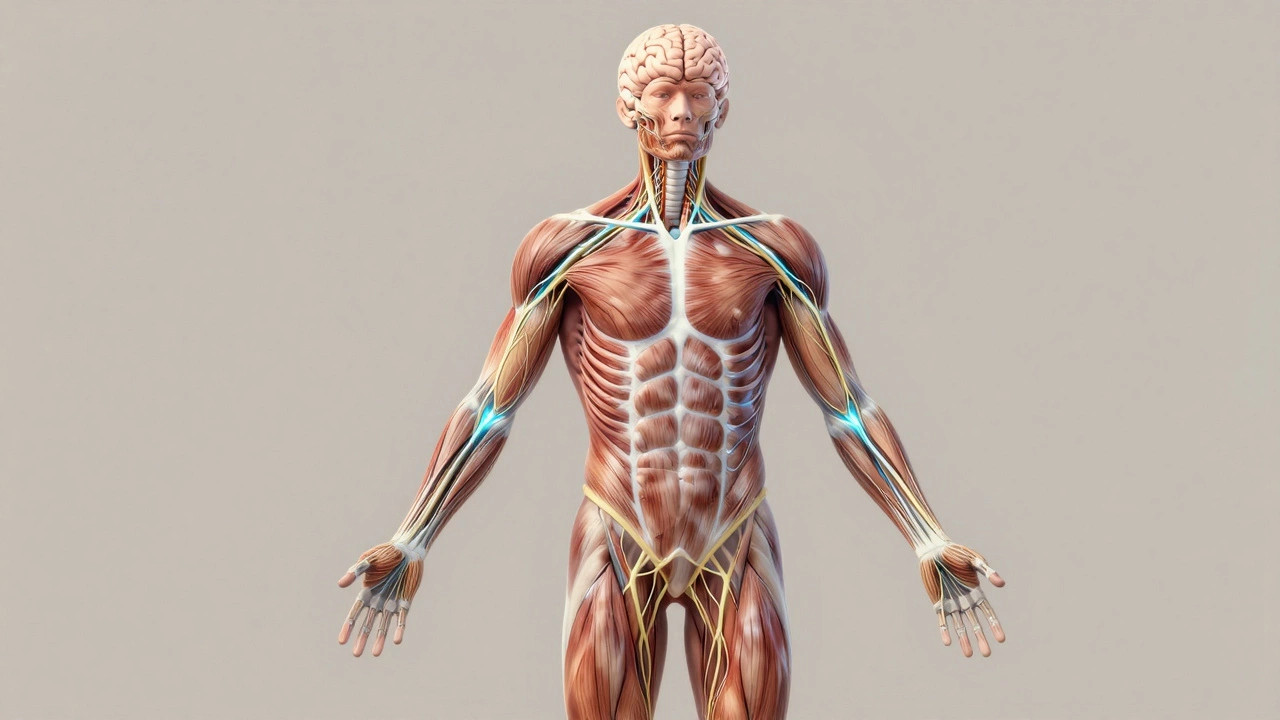
You won’t have Arnold Schwarzenegger’s arms. You won’t look like a bodybuilder on Instagram. You won’t have visible abs if you didn’t already. That’s not failure. That’s normal.
What you will see:
These are the real wins. The ones that keep you coming back.
They expect a transformation. They don’t get one. They quit.
Or they do too much. They train six days a week. They do 10 sets of every exercise. They eat junk food and call it “clean bulking.” They burn out before they begin.
Success in strength training isn’t about intensity. It’s about consistency. One good workout a week? Better than three bad ones. One solid meal plan? Better than a perfect one you abandon after five days.
Two weeks isn’t enough to build muscle. But it’s more than enough to start a habit that will change your body in six months.
Don’t stop. Don’t switch programs. Don’t chase the next viral trend.
Keep lifting. Keep eating. Keep sleeping. Add 2.5kg to your squat next week. Do two more push-ups. Drink an extra glass of water. That’s how real change happens.
In 30 days, you’ll feel stronger. In 60 days, people will notice. In 90 days, you’ll look different. And it won’t be because of a miracle. It’ll be because you showed up.
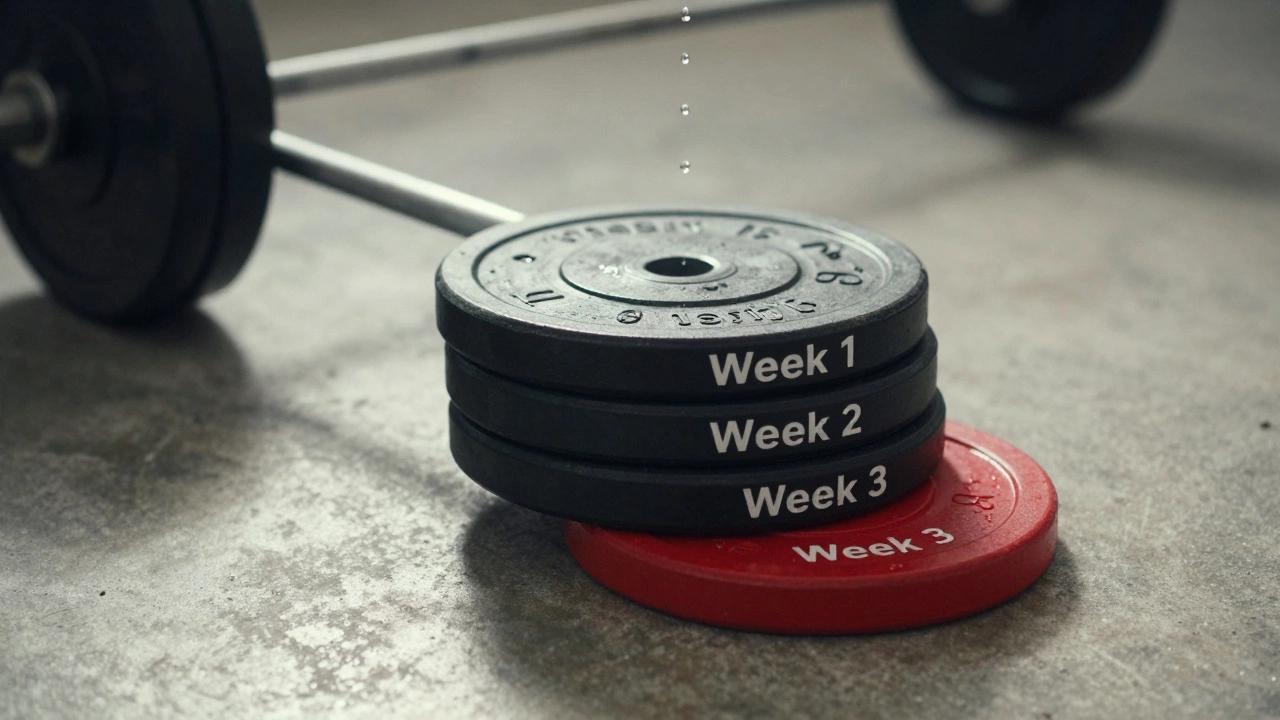
Two weeks won’t turn you into a bodybuilder. But it can turn you into someone who knows what hard work looks like. Someone who doesn’t quit when results are slow. Someone who understands that strength isn’t given-it’s earned, one rep at a time.
Start today. Not tomorrow. Not after the weekend. Today. Lift heavy. Eat enough. Sleep well. Repeat.
That’s how you build muscle. Not in two weeks. But for life.
Yes, absolutely. Supplements like whey protein or creatine can help, but they’re not required. You can build muscle with whole foods alone if you’re eating enough protein and calories. Focus on eggs, chicken, fish, dairy, beans, and rice before reaching for powders.
No. That’s impossible without steroids or extreme medical intervention. Even elite athletes gain less than 1 pound of muscle per week during their best phases. Claims of 10 pounds in two weeks are either fake, misleading, or include water weight and fat gain.
Muscle soreness (DOMS) fades as your body adapts. Just because you’re not sore doesn’t mean you didn’t work hard. Progress isn’t measured by pain. It’s measured by increased strength, better form, and consistent effort. If you’re lifting heavier or doing more reps, you’re growing.
No. Muscles grow during rest, not during workouts. Training the same muscle group every day leads to overtraining, fatigue, and stalled progress. Aim for 2-3 sessions per muscle group per week with at least 48 hours between heavy sessions.
Women build muscle at a similar rate per pound of lean mass, but they typically gain less total muscle due to lower testosterone levels. That doesn’t mean they can’t get stronger or leaner. In two weeks, women will see the same neural gains and improved strength. The difference shows up more over months, not days.
If you’re serious about building muscle, don’t stop after two weeks. Write down your lifts. Track your food. Sleep like your life depends on it. Come back in 30 days and compare your numbers. You’ll be amazed.
And if you’re not ready to commit? That’s okay. But don’t blame the program. Blame the expectation. Real strength takes time. And you’ve just started.