
Let’s get one thing straight immediately: if you want to shred weight fast, you cannot out-train a bad diet. I’ve seen people sprint on treadmills for hours while eating more calories than they burn, wondering why the scale won’t budge. It doesn’t work that way. To lose body fat rapidly without losing muscle or sanity, you need two things: a consistent calorie deficit and high-intensity movement that keeps your metabolism humming.
Most people fail because they aim for perfection instead of consistency. They try to run five miles every day and eat only kale, then quit after three days when life gets in the way. The secret isn’t extreme restriction; it’s sustainable intensity. You can achieve significant fat loss in four to six weeks by focusing on compound movements, strategic nutrition, and sleep hygiene-all from the comfort of your living room.
You might think you need a gym membership with heavy iron plates to shred. You don’t. In fact, home workouts are often superior for rapid fat loss because they remove friction. No commute means no excuses. No waiting for equipment means higher density training.
When you train at home, you tend to focus on bodyweight exercises and minimal equipment like resistance bands or dumbbells. This forces you to rely on time-under-tension and metabolic conditioning rather than just moving heavy loads slowly. The result? You burn more calories per minute because you’re keeping your heart rate elevated throughout the session. Plus, home environments allow for circuit-style training where you move from one exercise to another with zero rest, which is the gold standard for afterburn effect (EPOC).
Before you do a single burpee, understand this: fat loss happens in the kitchen. Exercise creates the hole in your energy budget; food fills it. If you create a 500-calorie deficit daily, you’ll lose roughly one pound of fat per week. That’s healthy, visible progress. If you try to cut 1,500 calories, your body will panic, lower your thyroid function, and hold onto every gram of fat as a survival mechanism.
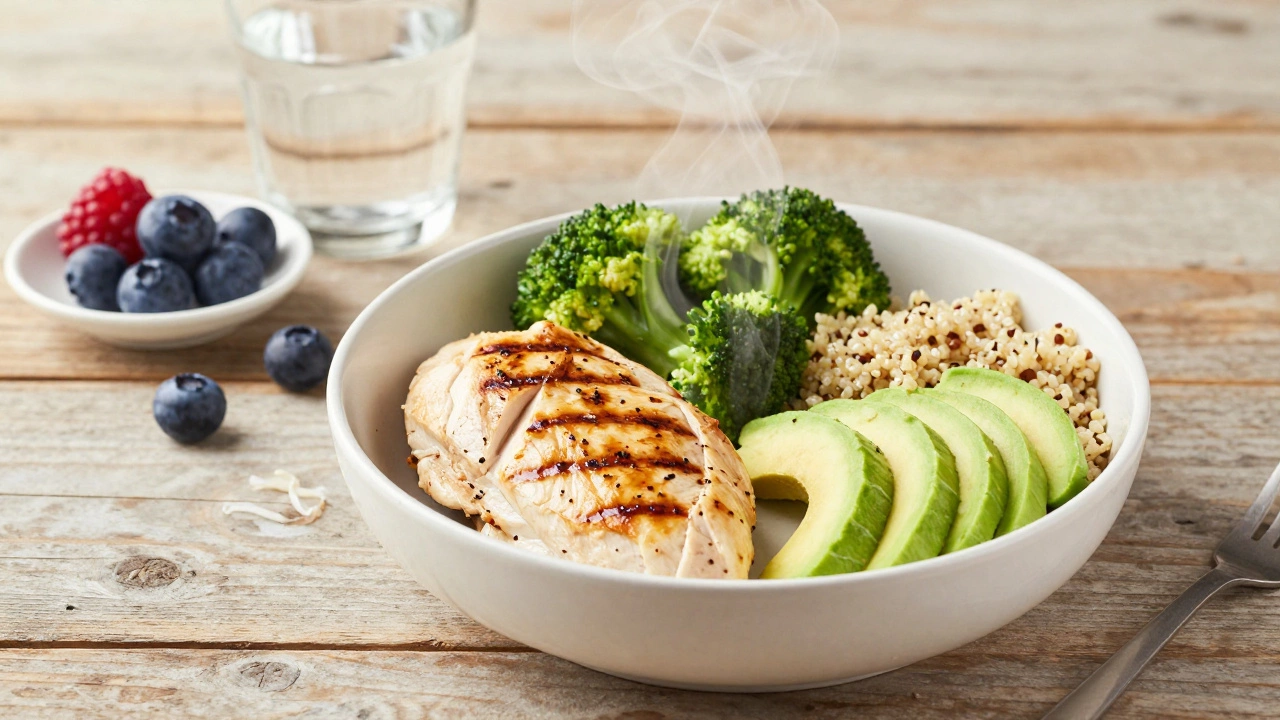
To calculate your needs, start with your Total Daily Energy Expenditure (TDEE). For most active adults, this is around 2,000 to 2,500 calories. Subtract 500 from that number. That’s your target intake. But here’s the catch: you must prioritize protein. Aim for 0.7 to 1 gram of protein per pound of goal body weight. Protein preserves muscle mass during weight loss and has a high thermic effect, meaning your body burns more calories digesting it compared to fats or carbs.
If you have 30 minutes a day, split it into three components: warm-up, high-intensity interval training (HIIT), and strength maintenance. This combination maximizes calorie burn during the workout and continues burning fat afterward.
HIIT training involves short bursts of all-out effort followed by brief rest periods. For example, 30 seconds of sprinting in place followed by 30 seconds of walking. Repeat this for 15-20 minutes. This style of training spikes your heart rate and triggers EPOC, where your body consumes oxygen to repair tissues and replenish energy stores, burning extra calories for up to 24 hours post-workout.
However, pure cardio can lead to muscle loss. You need to include compound strength movements. These recruit multiple muscle groups simultaneously, requiring more energy. Squats, lunges, push-ups, and planks are your best friends. Perform these in circuits to keep the heart rate up. For instance, do 15 squats, immediately follow with 10 push-ups, then 30-second plank. Rest for 60 seconds, then repeat for three rounds.
| Workout Type | Calorie Burn (per 30 mins) | Muscle Preservation | Best For |
|---|---|---|---|
| Steady-State Cardio | 200-300 kcal | Low | Beginners, low impact |
| HIIT | 300-400 kcal + EPOC | Moderate | Rapid fat loss, time efficiency |
| Strength Circuits | 250-350 kcal | High | Body recomposition, tone |
Diet alone gets you halfway there. Nutrition strategy gets you across the finish line. When trying to shred weight fast, timing and composition matter.
First, consider intermittent fasting. While not magic, skipping breakfast and eating within an 8-hour window (e.g., 12 PM to 8 PM) can help control insulin levels and make it easier to stick to your calorie limit. It simplifies decision-making. Fewer meals mean fewer chances to overeat.
Second, manipulate your carb intake. On workout days, consume complex carbohydrates like oats, sweet potatoes, or quinoa around your training session. This fuels performance and recovery. On rest days, reduce carbs slightly and increase healthy fats like avocado, nuts, and olive oil. This helps maintain hormonal balance, especially testosterone and estrogen, which regulate fat storage.
Third, never ignore fiber. Aim for 30 grams daily. Fiber slows digestion, keeping you fuller longer and stabilizing blood sugar spikes that trigger cravings. Think leafy greens, broccoli, beans, and berries.
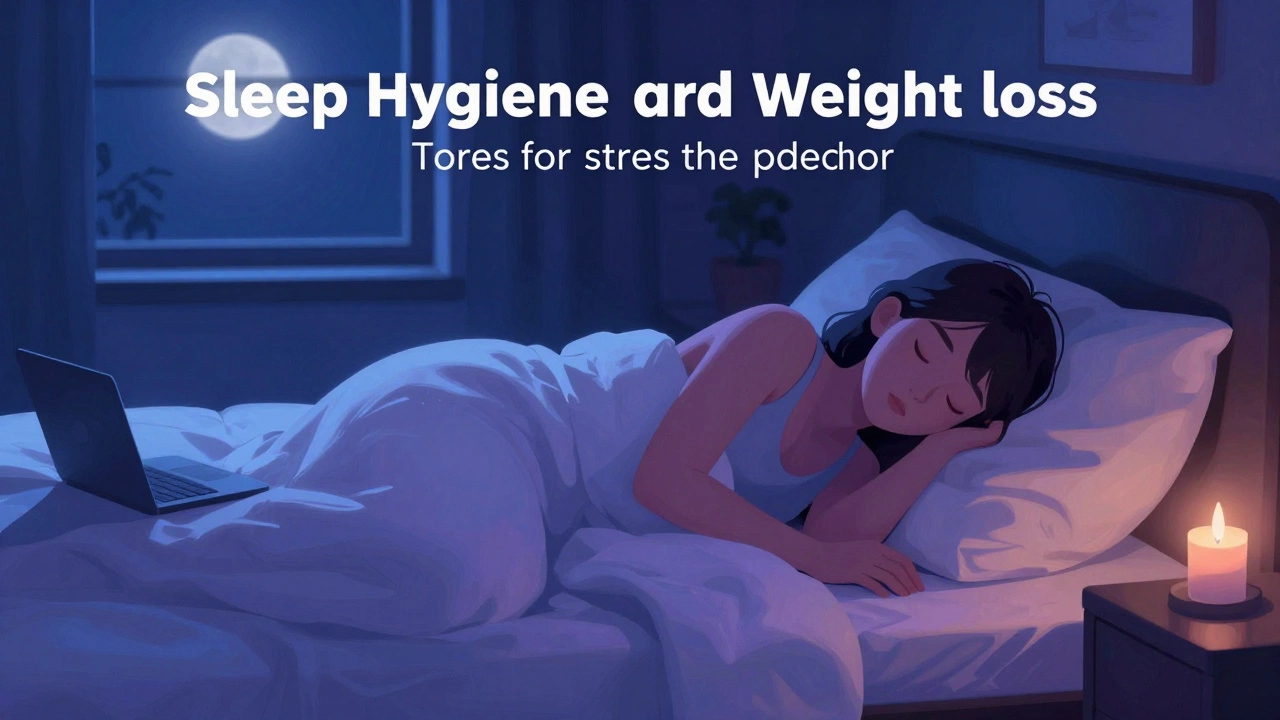
You can eat perfectly and train hard, but if you’re sleeping five hours a night, you’re fighting a losing battle. Sleep deprivation raises cortisol, the stress hormone. High cortisol promotes abdominal fat storage and breaks down muscle tissue for energy. It also increases ghrelin (the hunger hormone) and decreases leptin (the fullness hormone).
Aim for seven to nine hours of quality sleep. Create a cool, dark environment. Avoid screens an hour before bed. If you’re stressed about work or life, find ten minutes for deep breathing or meditation. Lowering stress lowers cortisol, which directly supports fat loss. It’s not just about looking good; it’s about hormonal health.
Consistency beats intensity. Here’s a realistic schedule that balances effort and recovery:
This plan ensures you hit every major muscle group while keeping your heart rate variable. Variable intensity prevents plateaus and keeps your metabolism adaptive.
Many people sabotage their progress with well-intentioned mistakes. Don’t let these be you.
Pitfall 1: Weighing yourself daily. Water retention, sodium intake, and menstrual cycles cause daily fluctuations. Weigh yourself once a week, same time, same conditions. Focus on trends, not daily noise.
Pitfall 2: Cutting calories too low. Eating below your basal metabolic rate slows your metabolism. Your body enters starvation mode, holding onto fat. Eat enough to fuel your workouts.
Pitfall 3: Ignoring progressive overload. If you do the same 20 burpees every week, your body adapts and burns fewer calories. Increase reps, decrease rest time, or add weight. Challenge your body constantly.
Shredding weight fast is possible, but “fast” should mean efficient, not reckless. Aim for 1-2 pounds per week. Anything faster risks muscle loss, nutrient deficiencies, and rebound weight gain. By combining a moderate calorie deficit, high-protein intake, HIIT home workouts, and prioritized sleep, you create a metabolic furnace that burns fat while preserving lean tissue. Stick to the process for four weeks, and you’ll see a dramatically different reflection in the mirror.
Losing 10 pounds in a month is aggressive and generally not recommended for long-term health. A safe rate is 1-2 pounds per week. Rapid weight loss often includes water weight and muscle loss, which can slow your metabolism and lead to regain. Focus on sustainable habits that yield 4-8 pounds of fat loss in a month, which looks significant and stays off.
No, you don’t need expensive equipment. Bodyweight exercises like squats, push-ups, lunges, and planks are highly effective. However, having a set of resistance bands or adjustable dumbbells can help you progress by adding load as you get stronger, ensuring you continue to challenge your muscles.
Neither is strictly better; they serve different roles. Cardio burns calories during the activity, while strength training builds muscle that burns calories at rest. For fastest results, combine both. HIIT cardio provides immediate calorie burn and afterburn effects, while strength training preserves muscle mass so you look toned, not skinny-fat.
Eat a small snack 30-60 minutes before training. Combine easily digestible carbs with a little protein. Examples include a banana with a tablespoon of peanut butter, or Greek yogurt with berries. Avoid heavy, fatty, or high-fiber meals right before working out as they can cause discomfort.
The most common reason is overestimating calories burned and underestimating calories eaten. Exercise boosts appetite, leading many to unconsciously eat back the calories they worked for. Track your food intake accurately for a few days. Also, ensure you’re sleeping enough, as poor sleep disrupts hunger hormones and hinders fat loss.
Protein is critical. It has a high thermic effect, meaning your body burns more calories digesting it. More importantly, it preserves muscle mass during a calorie deficit. Without enough protein, your body may break down muscle for energy, slowing your metabolism. Aim for 0.7-1g of protein per pound of goal body weight daily.
Intermittent fasting can help by restricting your eating window, which often leads to reduced calorie intake naturally. It may also improve insulin sensitivity. However, it’s not inherently magical; weight loss still depends on total calorie deficit. Choose a fasting schedule that fits your lifestyle and allows you to meet your protein needs.
EPOC stands for Excess Post-exercise Oxygen Consumption. It’s the "afterburn" effect where your body continues to burn calories at an elevated rate for hours after intense exercise as it recovers. HIIT workouts trigger a higher EPOC response than steady-state cardio, making them efficient for fat loss.