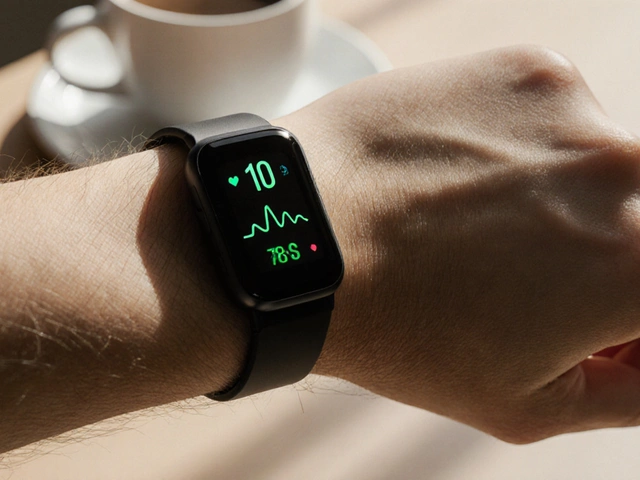
You’ve probably seen them everywhere-the high-energy coaches in neon gear, walking around the gym with a clipboard and a stopwatch. Maybe you’ve wondered if spending a significant chunk of your monthly budget on one of them actually makes a difference, or if you could just find the same information on YouTube for free. The truth is, the gap between 'working out' and 'training' is where the real results live, but a coach isn't a magic pill. If you're struggling to see progress or feel completely lost in a sea of dumbbells, you're likely wondering if a professional is the missing piece of your puzzle.
When you look in the gym mirror, you see a version of your movement, but you don't see the subtle arch in your lower back or the slight inward collapse of your knees during a squat. This is where a personal trainer is a certified fitness professional who designs exercise programs and provides real-time technical correction to improve physical performance. Without that external eye, you're essentially guessing. If you've ever felt a sharp pinch in your shoulder during a bench press, you've experienced the risk of poor form.
Think about Strength Training. It's not just about lifting heavy things; it's about mechanical tension and range of motion. A professional can tell you to "drive your elbows down" or "engage your core" in the exact second it matters. This immediate feedback loop turns a mediocre workout into a precise session. When you correct a movement pattern, you aren't just building muscle; you're protecting your joints from wear and tear that usually shows up in your 40s and 50s.
Most people start with a lot of enthusiasm, but after six weeks, the scale stops moving and the weights feel heavier. This is the dreaded plateau. You might try adding more cardio or cutting calories, but often the problem is a lack of Progressive Overload, which is the gradual increase of stress placed upon the body during exercise to force adaptation. A trainer knows exactly when to increase the weight, change the rep range, or swap an exercise to keep your muscles guessing.
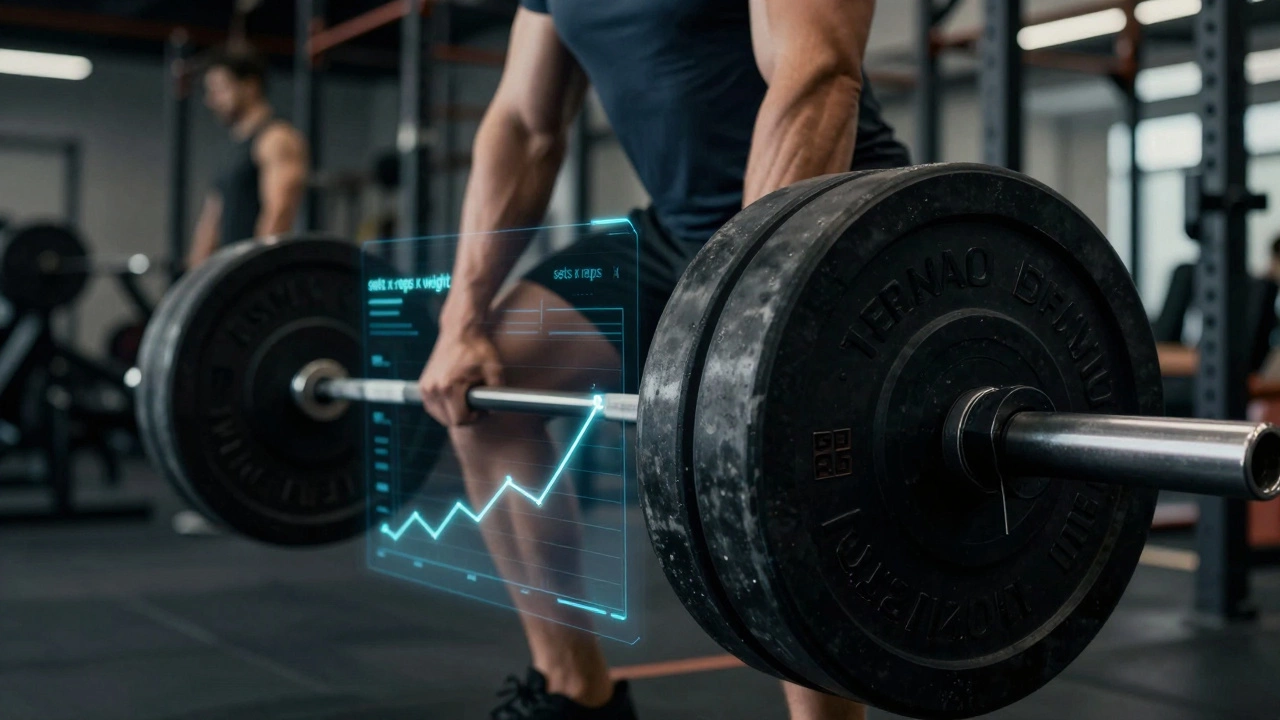
They use data. Instead of saying "try to lift more," a coach tracks your volume (sets x reps x weight) and adjusts based on your recovery. They understand the balance between Hypertrophy (muscle growth) and strength. For example, if you're stuck at a 60kg squat, they might introduce "tempo reps"-slowing down the descent to build stability-rather than just telling you to push harder. This systematic approach removes the guesswork and replaces it with a roadmap.
Let's be honest: it's easy to cancel a workout with yourself. It's much harder to cancel on someone who is getting paid to wait for you at 6:00 AM. The mental shift from "I should work out" to "I have an appointment" is huge. This external pressure builds a habit. Eventually, the internal drive takes over, but the trainer acts as the training wheels for your discipline.
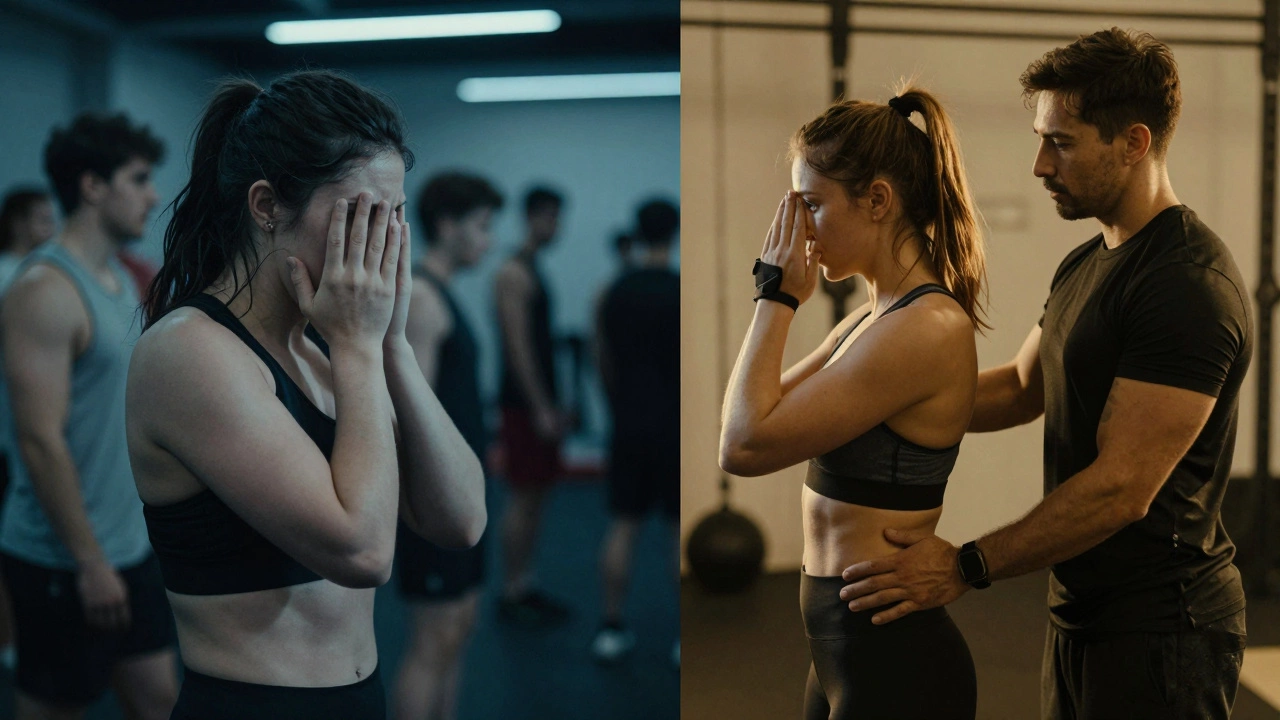
Beyond the schedule, there's the emotional support. We all have days where we feel weak or unmotivated. A good coach knows when to push you to that final rep and when to tell you to take a rest day because your central nervous system is fried. This prevents burnout, which is why so many people quit the gym by March. They didn't lack willpower; they lacked a strategy for sustainable effort.
Deciding how to train depends on your budget and your current skill level. Not everyone needs a 1-on-1 coach every single session.
| Feature | Personal Trainer | Fitness App | Solo Training |
|---|---|---|---|
| Form Correction | Immediate & Precise | Video-based/None | Self-mirrored |
| Customization | High (Tailored to you) | Medium (Algorithm) | Low (Generic) |
| Cost | High | Low Monthly Fee | Free/Gym Membership |
| Accountability | Very High | Low/Notifications | Self-Driven |
Personal training is expensive. In many cities, a single hour can cost as much as a nice dinner for two. However, you have to look at the "cost of failure." How many gym memberships have you paid for and never used? How many supplements did you buy that are currently gathering dust in your cupboard? That is wasted money.
Paying for a coach is essentially buying a shortcut. You are paying for their years of education and experience so you don't spend three years doing the wrong exercises. If a trainer helps you lose 10kg in six months and teaches you how to maintain it for life, the cost per day over the next twenty years becomes negligible. It's an investment in your long-term health and mobility.
Not all trainers are created equal. Some just stand there and count reps while looking at their phone. To ensure you get your money's worth, look for specific credentials. A certification from a recognized body like NASM (National Academy of Sports Medicine) or ACE (American Council on Exercise) is a baseline. But the real test is their approach to your specific goals.
To be fair, some people are perfectly fine without a coach. If you are a naturally disciplined person who enjoys reading scientific papers on Biomechanics and you have a high level of kinesthetic awareness, you might be better off solo. If you've already mastered the compound lifts and are just looking for a place to sweat, a trainer might be an unnecessary expense.
Another middle-ground option is a hybrid model. Some people hire a trainer for one month to learn the movements and get a solid plan, then transition to solo training with a monthly check-in. This gives you the foundational knowledge and a professional safety net without the permanent high cost.
For beginners, 2 to 3 sessions per week are ideal for the first 3 months. This allows you to build the mind-muscle connection and learn proper form. Once you're comfortable, dropping to one session a week for "tune-ups" and program adjustments is usually enough to maintain progress.
Apps are great for organization and basic guidance, but they cannot see your form. An app can tell you to do 10 reps of squats, but it can't tell you that your hips are shifting to the left, which could lead to a knee injury. Apps work best for experienced trainees who already know how to move safely.
This is actually one of the biggest benefits of a trainer. They act as a social buffer. Having a professional by your side reduces "gym anxiety" because you have a designated space and a guide who knows exactly where everything is and how everything works.
Many do, but be careful. In many regions, trainers can give general nutritional guidance (like suggesting more protein), but they cannot prescribe specific meal plans or treat medical conditions unless they are also a Registered Dietitian. Always check if their nutrition advice is backed by a clinical qualification.
Look for objective markers: Are you lifting more weight than last month? Is your posture improving? Do you feel stronger in your daily life? If you've been training for 3 months and have no data to show progress (strength, measurements, or energy levels), it's time to change coaches.
If you're still on the fence, try a "trial run." Most gyms offer a free first session or a discounted 3-pack of workouts. Use this time to interview them. Don't just see if they are "nice"-see if they challenge you and if they explain things in a way that makes sense. If you have a history of injuries, your first priority should be finding someone with a background in corrective exercise. If your goal is pure aesthetics, look for someone with a proven track record of body transformations.