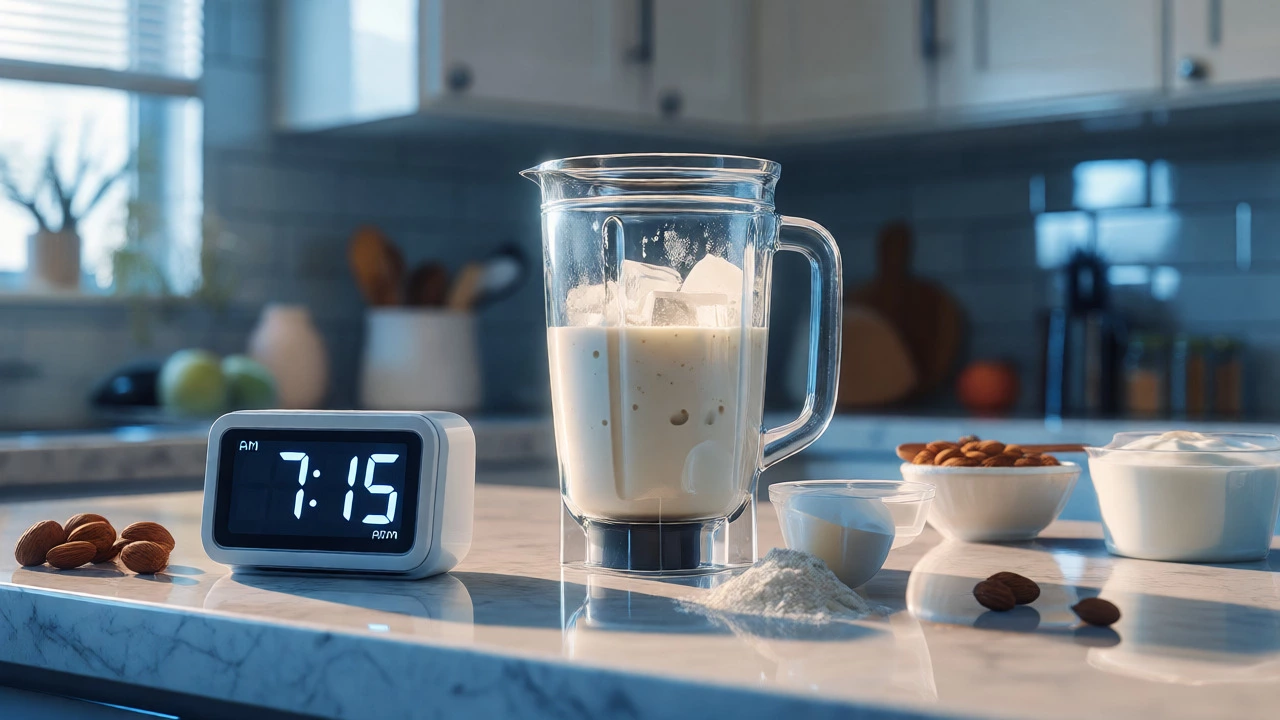
The 30-30-30 rule suggests consuming 30 grams of protein within 30 minutes of waking up, followed by 30 minutes of low-intensity exercise. Use this tool to build your ideal high-protein breakfast.
Click on items to add them to your plate. Click again to remove.
Select foods to see analysis...
You wake up, groggy and hungry. The clock reads 7:00 AM. Most of us reach for a sugary cereal or a quick coffee with a pastry, thinking we're fueling our day. But what if that choice is actually stalling your metabolism and spiking your blood sugar before you've even brushed your teeth? Enter the 30 30 30 rule, a nutritional guideline suggesting you consume 30 grams of protein within 30 minutes of waking up and engage in 30 minutes of low-intensity exercise. It sounds simple, almost too easy. But this specific timing and dosage can change how your body handles energy throughout the entire day.
This isn't just another fad diet popping up on social media every Tuesday. It's rooted in how human physiology responds to nutrients and movement right after sleep. If you've been struggling with afternoon crashes, constant hunger, or stubborn weight loss despite counting calories, this rule might be the missing piece. Let's break down exactly what it is, why it works, and how you can fit it into your life without spending hours in the kitchen or gym.
The name gives away the structure, but the details matter. You aren't just eating protein; you are timing it strategically. Here is the breakdown:
Think of it as setting the tone for your day. By prioritizing protein and gentle movement first, you avoid the blood sugar rollercoaster that comes from carb-heavy breakfasts. You start stable, focused, and fueled rather than jittery and crashing by noon.
Most people focus on total daily calories, but when you eat them changes everything. Protein is the most satiating macronutrient. It reduces ghrelin, the hunger hormone, more effectively than carbs or fats. When you eat 30 grams of protein early, you signal to your brain that you are fed. This often leads to eating less later in the day without feeling deprived.
There is also the thermic effect of food (TEF) to consider. Your body burns more calories digesting protein than it does digesting carbohydrates or fats. While TEF alone won't melt pounds overnight, combined with a stable blood sugar profile, it supports a healthier metabolic rate. If you drink a protein shake formulated for rapid absorption, you get these benefits quickly without the heavy digestion time of a solid meal.
| Breakfast Type | Protein Content | Blood Sugar Impact | Satiety Duration |
|---|---|---|---|
| Standard Cereal & Milk | Low (~5-8g) | High Spike & Crash | 1-2 Hours |
| Toast & Jam | Very Low (<2g) | Very High Spike | <1 Hour |
| 30 30 30 Method | High (30g) | Stable | 4-5 Hours |
Let's be real: cooking eggs and bacon at 6:30 AM isn't happening for everyone. That's where convenience shines. You don't need a chef's skills to hit this target. In fact, many people find it easier to use liquid nutrition in the morning because it digests faster and requires zero prep time.
A standard scoop of whey or plant-based powder usually contains between 20 and 25 grams of protein. To reach 30 grams, you might need a slightly larger serving or a blend. For example, mixing one scoop of powder with milk instead of water adds another 8 grams easily. Or, you could add a tablespoon of nut butter. Just check the label. Precision matters here because guessing "a bit of protein" rarely hits the 30-gram mark consistently.
If you prefer solid food, here are some realistic options:

You might wonder, "Can I do my HIIT workout instead?" Probably not. The 30 30 30 rule specifically calls for low-intensity steady-state (LISS) cardio. Why? Because high-intensity exercise raises cortisol significantly. If you combine high cortisol from intense training with the natural morning cortisol spike, you might push your body into a stress response rather than a fat-burning state.
Walking is the gold standard here. It gets your blood flowing, helps transport the amino acids from your protein shake to your muscles, and clears mental fog. You don't need to sweat profusely. A brisk walk around your neighborhood, listening to a podcast or an audiobook, counts. If you live in a place like Perth, Australia, taking advantage of the cool morning air makes this even more pleasant. Consistency beats intensity when the goal is metabolic regulation.
This approach isn't for everyone, but it helps specific groups significantly:
However, if you practice intermittent fasting and feel great skipping breakfast, you might not want to force this. Listen to your body. The rule is a tool, not a law.

It seems straightforward, but people mess it up in predictable ways. First, they underestimate the protein. A handful of nuts looks healthy but only offers 5-7 grams. You need volume. Second, they choose high-sugar protein sources. Many flavored yogurts or instant oatmeals have added sugars that negate the blood sugar benefits. Always read the nutrition facts panel.
Another mistake is ignoring the hydration aspect. After sleeping, you are dehydrated. Drink water before or with your protein source. Dehydration mimics hunger, so drinking a glass of water first ensures you are actually hungry and not just thirsty.
Finally, don't obsess over the exact minute. If you wake up at 7:00 and eat at 7:45, you haven't failed. The principle is about proximity to waking, not military precision. Aim for consistency over perfection.
For many, the barrier to entry is preparation time. This is where protein shakes become a strategic ally. They remove the friction of cooking. You can blend a shake the night before, store it in the fridge, and drink it immediately upon waking. This guarantees you hit the 30-gram target without relying on willpower or appetite levels, which are often unpredictable in the morning.
When choosing a shake, look for minimal ingredients. You want protein, maybe some fiber, and low sugar. Avoid proprietary blends where you don't know the exact amount of each ingredient. Transparency is key to hitting that 30-gram number reliably.
While 30 grams is the recommended benchmark to maximize satiety and muscle synthesis, getting close (like 25-28 grams) is still beneficial. However, significantly less (under 15 grams) may not provide the same metabolic stabilization effects. Adjust based on your body weight and activity level, but aim for the 30g mark as a general target.
The rule specifies low-intensity exercise to manage cortisol levels. High-intensity interval training (HIIT) spikes cortisol further. If you prefer HIIT, you might do it later in the day and stick to walking in the morning. Doing both intensely in the morning might lead to fatigue or increased stress hormones for some individuals.
Absolutely. Plant-based protein powders (pea, rice, soy blends) work well. Solid food options include tofu scrambles, tempeh, or seitan dishes. Just ensure you are combining sources to get a complete amino acid profile if you aren't using a fortified blend.
Start small. Maybe begin with 15 grams and gradually increase. Liquid calories like shakes are often easier to consume than solid food when appetite is low. Over time, your body may adjust to expect morning fuel. If you genuinely feel better fasting, you might adapt the rule to your first meal of the day instead of strictly upon waking.
Ideally, yes, to maintain elevated heart rate and circulation. However, breaking it into two 15-minute walks (one before and one after eating) can also work. The key is accumulating the movement within that post-wake window to aid glucose disposal.