There is nothing quite like the feeling of walking into a gym with everything you need, ready to crush your workout. But there is also nothing more frustrating than realizing halfway through a session that you forgot your water bottle, or worse, trying to lift weights without chalk when your hands are slipping. Whether you are a seasoned lifter or just starting your fitness journey, knowing exactly what to pack can make or break your routine.
We have all been there. You arrive at the gym, drop your bag, and realize you left your headphones at home. Suddenly, the motivation dips. Or maybe you finish a heavy squat session and discover you don't have a towel for the shower. These small oversights add up. They create friction between you and your goals. The good news? With a solid **gym essentials** list, you can eliminate these distractions forever.
Before we get into the nice-to-haves, let's talk about the absolute must-haves. These are the items that turn a potential disaster into a productive session. If you forget anything on this list, your workout will likely suffer.
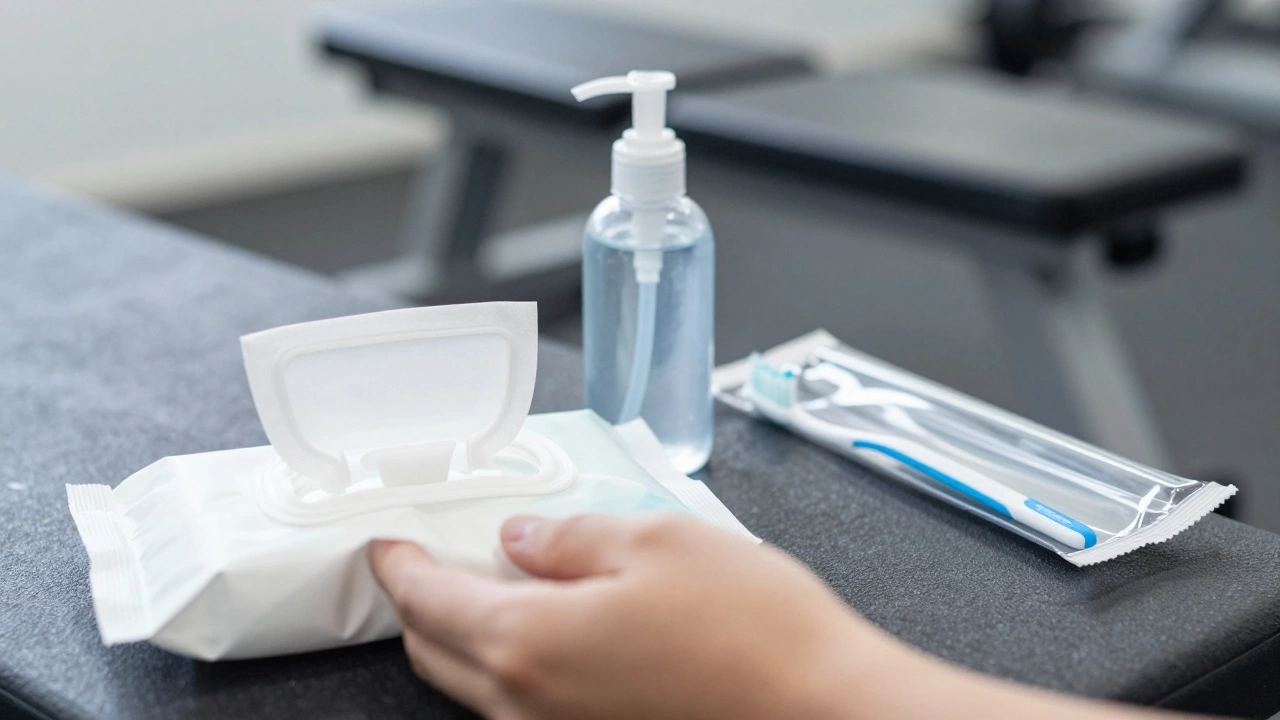
Gyms are public spaces with high traffic. Germs thrive on shared surfaces. Protecting your health starts with personal hygiene habits. Packing the right cleaning supplies isn't just polite; it's smart self-care.
| Item | Purpose | Pro Tip |
|---|---|---|
| Disinfectant Wipes | Clean benches and handles before and after use | Keep them easily accessible in your bag's side pocket |
| Hand Sanitizer | Kill germs when soap and water aren't available | Choose alcohol-based formulas (at least 60% alcohol) |
| Toothbrush & Toothpaste | Freshen breath post-workout | Use a travel-sized kit to save space |
| Deodorant | Control body odor during and after exercise | Apply pre-workout for longer-lasting protection |
Don't underestimate the power of a fresh toothbrush. After an intense cardio session, your mouth can feel stale. Brushing quickly restores confidence for social interactions later. Also, consider packing a small change of underwear. Sweat-soaked underwear is uncomfortable and can cause skin irritation. Changing into dry clothes immediately after your workout prevents chafing and keeps you comfortable throughout the rest of your day.
If you focus on strength training or high-intensity workouts, basic gear might not be enough. Specific tools can enhance safety, grip, and overall performance. These items separate casual exercisers from dedicated athletes.
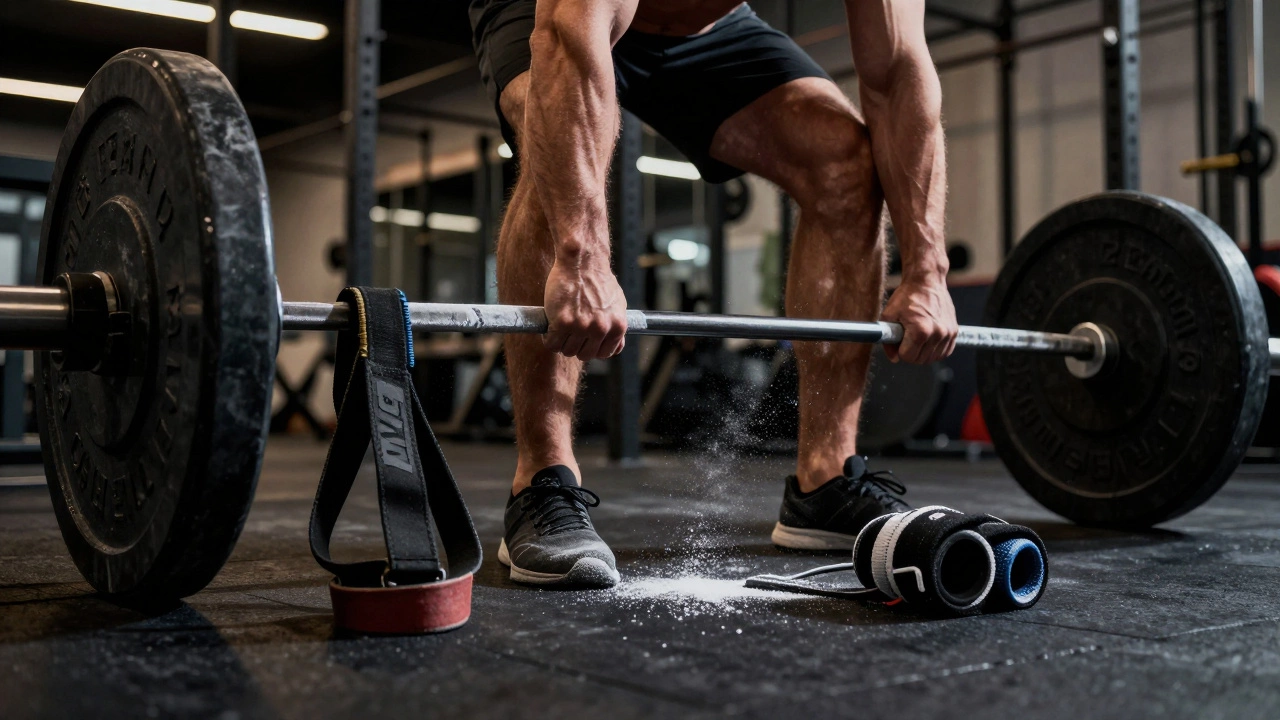
Lifting Straps are accessories used to improve grip strength during heavy pulls like deadlifts and rows. They allow you to focus on pulling with your back muscles rather than worrying about your forearms giving out. Similarly, Chalk is magnesium carbonate powder used to absorb moisture and increase friction on barbells. Chalk prevents slips during heavy lifts, reducing injury risk. Many gyms sell liquid chalk, which is less messy and often permitted where loose chalk is banned.
Your workout doesn't end when you stop lifting. Nutrition plays a critical role in recovery and muscle growth. Bringing your own food ensures you control ingredients and timing.
Pack a post-workout snack within an hour of finishing. Options include protein bars, bananas, or Greek yogurt. Protein helps repair muscle fibers damaged during exercise. Carbohydrates replenish glycogen stores depleted by activity. Avoid sugary energy drinks unless necessary; they cause crashes later. Instead, opt for electrolyte tablets to mix with water. They replace minerals lost through sweat without added sugar.
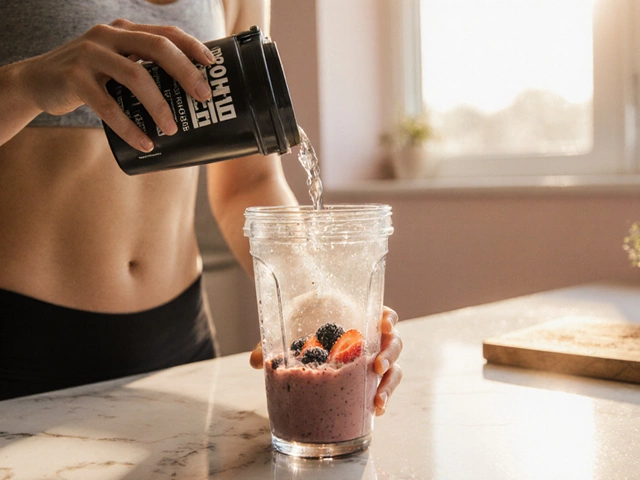
Consider bringing a shaker bottle if you consume protein powder. Pre-mixing saves time and ensures consistent texture. Shake well before each serving to prevent clumping. If you prefer whole foods, hard-boiled eggs or trail mix are portable, nutrient-dense choices. Planning meals ahead reduces decision fatigue and keeps you on track with dietary goals.
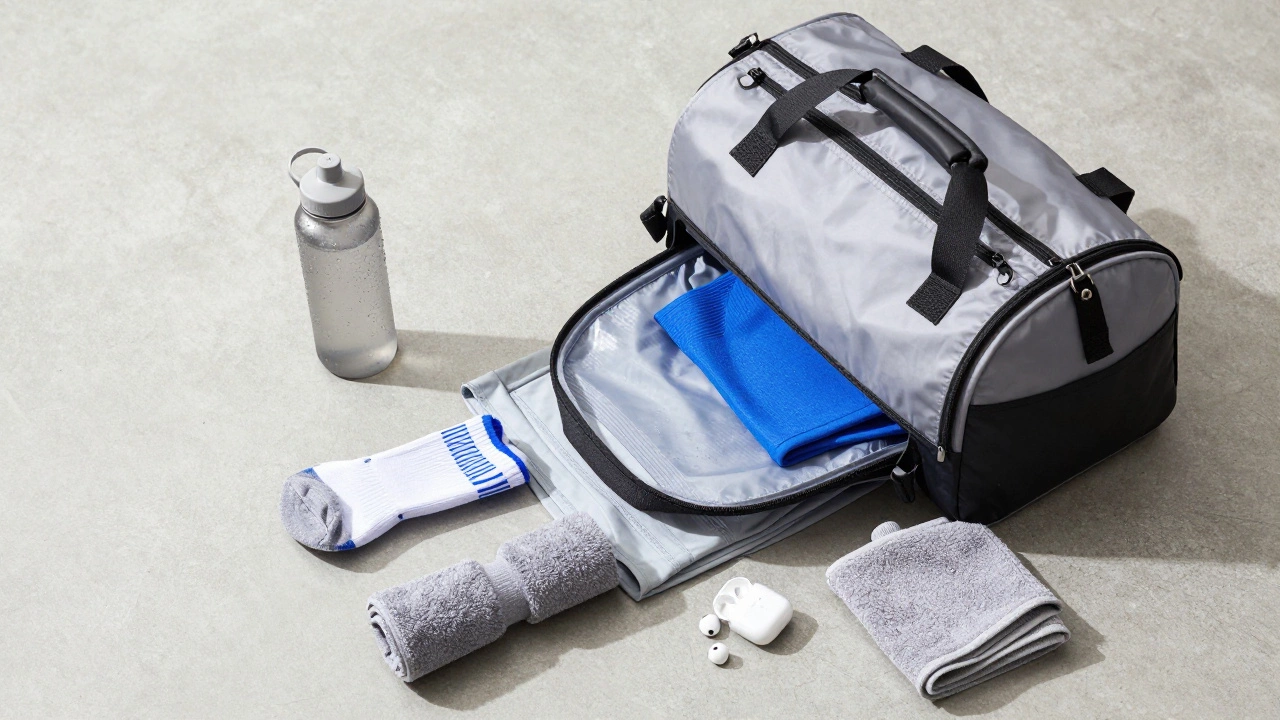
A cluttered bag leads to forgotten items. Organization strategies keep everything visible and accessible. Here’s how to structure your gym bag effectively:
Invest in a bag with multiple compartments. Mesh pockets are great for visibility, while padded sleeves protect laptops or tablets if you study at the gym. Choose durable materials that withstand frequent use and heavy loads. Canvas or nylon blends resist tears and abrasions better than thin polyester.
Living in Perth means dealing with distinct seasons. Your gym packing strategy should adapt accordingly. Summer brings heat and humidity, requiring extra hydration and breathable clothing. Winter demands layers and warmer footwear for commuting.
In summer, pack lighter fabrics and bring extra water. Consider a cooling towel that activates with water to lower body temperature during breaks. In winter, add a light jacket or hoodie for post-workout warmth. Gloves can protect hands from cold air outside the gym. Rainy days call for waterproof covers for your bag to keep contents dry.
Adjust your schedule too. Morning workouts may require different gear than evening sessions. Early risers need thermoses for hot coffee or tea. Night owls might benefit from eye masks for naps between classes. Flexibility in planning ensures comfort regardless of external conditions.
Even experienced gym-goers make errors. Learning from others' mistakes helps you refine your approach. Here are pitfalls to watch out for:
Review your bag weekly. Replace worn-out items and discard expired supplements. Regular maintenance keeps your setup efficient and hygienic. Small adjustments compound over time, leading to better consistency and results.
A water bottle is arguably the most critical item. Dehydration impairs physical performance and cognitive function. Staying hydrated supports endurance, strength, and recovery. Without adequate fluid intake, even short workouts become harder and less effective.
Yes, most gyms mandate personal towels for hygiene reasons. Shared towels harbor bacteria and fungi. Using your own towel protects against infections like athlete's foot and ringworm. It also demonstrates consideration for fellow members who share equipment.
Both timings matter depending on your goals. Pre-workout carbs fuel intensity, while post-workout protein aids muscle repair. For general fitness, prioritize post-workout nutrition. Consume protein within 30-60 minutes after exercising to maximize synthesis rates.
Separate wet and dry items using plastic bags. Air out your bag regularly by leaving it open in a ventilated area. Wash removable liners frequently. Avoid storing damp clothes inside closed compartments for extended periods. Quick drying minimizes bacterial growth responsible for odors.
Specialized gear enhances safety and performance for serious trainees. Lifting straps, belts, and sleeves reduce injury risks during heavy loads. Beginners might delay purchases until techniques stabilize. Intermediate lifters benefit greatly from targeted accessories tailored to specific movement patterns.