Maintenance Calories (TDEE)
Target Intake
Protein Goal
Projected Fat Loss: -- kg / week
Based on consistent adherence to the plan.
You wake up, look in the mirror, and sigh. That stubborn layer of softness around your midsection just won’t budge. You’ve tried the crunches. You’ve tried the tea. You’ve even tried holding your breath while walking. Nothing works. Here is the hard truth you need to hear right now: you cannot spot-reduce fat. Doing a thousand sit-ups will build muscle underneath the fat, but it will not burn the fat itself.
However, getting a flatter stomach quickly is possible if you stop fighting biology and start working with it. It requires a three-pronged attack: aggressive calorie control, strategic strength training, and stress management. If you are looking for a magic pill, close this tab. If you are ready to change how you eat and move for the next four weeks, read on. This is the blueprint.
Before we talk about exercises, we have to talk about food. Specifically, energy balance. To lose belly fat, you must be in a calorie deficit. This means burning more energy than you consume. Without this, no amount of cardio will shrink your waistline.
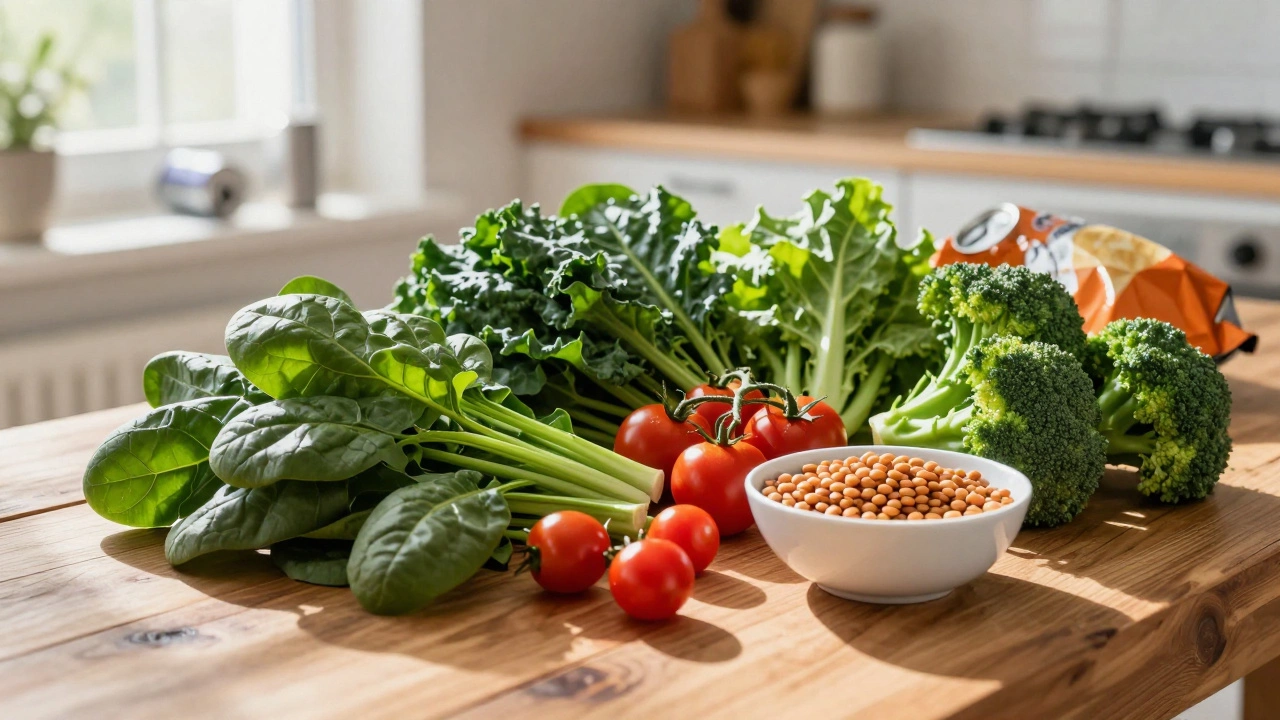
Most people overestimate how much they eat and underestimate how little they move. In 2026, we have smart scales and apps that track everything, yet obesity rates remain high. Why? Because processed foods are engineered to bypass your satiety signals. A bag of chips doesn't tell your brain "I'm full" like a bowl of lentils does.
To flatten your stomach quickly, aim for a moderate deficit of 300-500 calories below your maintenance level. Crash dieting (eating less than 1,200 calories) slows your metabolism and triggers cortisol spikes, which actually encourages your body to hold onto abdominal fat as a survival mechanism. Slow and steady wins the race, especially when speed is the goal.
If you think running on a treadmill for an hour is the key to a flat stomach, you are wrong. While cardio burns calories during the activity, strength training builds muscle tissue that burns calories 24/7. Muscle is metabolically expensive; your body needs energy just to keep it there.
Focusing solely on abs is a common mistake. Your abs are like any other muscle group. If you only train them, they get stronger but stay hidden under a layer of fat. Instead, focus on compound movements. These exercises engage multiple muscle groups simultaneously, leading to greater hormonal responses and higher calorie expenditure.
| Exercise Type | Specific Movement | Why It Works |
|---|---|---|
| Compound Lift | Squats | Engages quads, glutes, and core stabilizers; high metabolic cost. |
| Upper Body Push | Push-Ups | Builds chest and shoulder strength while requiring intense core stabilization. |
| Core Specific | Planks | Strengthens the transverse abdominis, acting as a natural corset to pull the waist in. |
| Cardio Interval | HIIT Sprints | Creates Excess Post-Exercise Oxygen Consumption (EPOC), burning fat after the workout ends. |
Incorporate these into a routine 3-4 times a week. Rest days are crucial. Overtraining increases cortisol, the stress hormone linked directly to visceral fat storage around the organs. You want to stimulate growth, not induce chronic stress.

You can eat perfectly and train hard, but if you sleep five hours a night, your stomach will likely remain bloated. Sleep deprivation disrupts two key hormones: ghrelin (which makes you hungry) and leptin (which tells you you're full). When you are tired, you crave sugar and carbs. This is biological, not a lack of willpower.
Furthermore, poor sleep raises cortisol levels. High cortisol breaks down muscle tissue and promotes fat storage specifically in the abdominal area. This is known as visceral fat, and it is more dangerous than subcutaneous fat because it wraps around your internal organs.
To optimize this:
Sometimes, what looks like belly fat is actually bloating. Bloating can make your stomach appear inches larger within hours. If you feel gassy, tight, or distended after eating, your issue might be digestive, not caloric.
Common culprits include:
Try an elimination diet for one week. Cut out dairy, gluten, and highly processed foods. Drink extra water to flush out excess sodium. You might see a dramatic reduction in waist size simply by reducing inflammation, even before significant fat loss occurs.
While you work on long-term fat loss, you can improve your appearance instantly through posture. Anterior pelvic tilt is a condition where your pelvis tilts forward, causing your lower back to arch excessively and your belly to protrude. This is common among desk workers who sit all day.
To correct this:
Standing tall with your shoulders back and core engaged can make your stomach appear flatter immediately. It’s not a permanent solution, but it helps you feel confident while the real work takes place.
Let’s define "quick." Safe fat loss is approximately 0.5 to 1 kilogram (1-2 lbs) per week. Of this, some will come from your abdomen, but genetics play a huge role in where you lose fat first. Some people lose face fat first; others lose thigh fat. You do not get to choose.
If someone promises you a flat stomach in seven days, they are lying or selling you a detox tea that acts as a laxative. That is water weight and gut content, not fat. True fat loss takes consistency. However, you can see noticeable changes in body composition and reduced bloating within two to four weeks if you follow the steps above strictly.
Focus on non-scale victories. Does your shirt fit better? Do you have more energy? Are you lifting heavier weights? These are signs of progress even if the scale hasn't moved much, as muscle is denser than fat.
You cannot lose significant amounts of pure fat in one week safely. However, you can reduce bloating and water weight, which may make your stomach appear flatter. Focus on cutting sodium, increasing water intake, and eliminating processed sugars for immediate visual improvements.
Ab machines can strengthen your abdominal muscles, but they do not burn the fat covering them. Spot reduction is a myth. Compound exercises like squats and deadlifts are far more effective for overall fat loss and core stability.
The best time to exercise is whenever you can be consistent. Some studies suggest fasting morning workouts may increase fat oxidation, but the total daily calorie deficit matters most. Don't let timing become an excuse to skip the workout entirely.
Yes, walking is excellent for maintaining a calorie deficit without spiking cortisol levels like high-intensity cardio might. Aim for 8,000 to 10,000 steps a day. It aids digestion and reduces stress, both of which contribute to a flatter stomach.
This could be due to visceral fat accumulation, often linked to high cortisol, poor sleep, or excessive alcohol consumption. It can also be anterior pelvic tilt, a postural issue. Addressing sleep, stress, and posture can significantly improve this appearance.