
Reasoning goes here.
Scientific explanation regarding glycogen or interference effects.
You walk into the gym, heart pounding with excitement. You want to build muscle, but you also want that lean, athletic look. So, do you hit the treadmill first to burn calories, or do you lift heavy iron first to build strength? It feels like a coin toss, but your body isn’t random. It has a specific hierarchy of energy needs.
The short answer is: for most people, **strength training** should come first. But if you are training for a marathon, the rules change completely. Your goal dictates your schedule. Let’s break down why the order matters, how it affects your hormones, and exactly when you might want to flip the script.
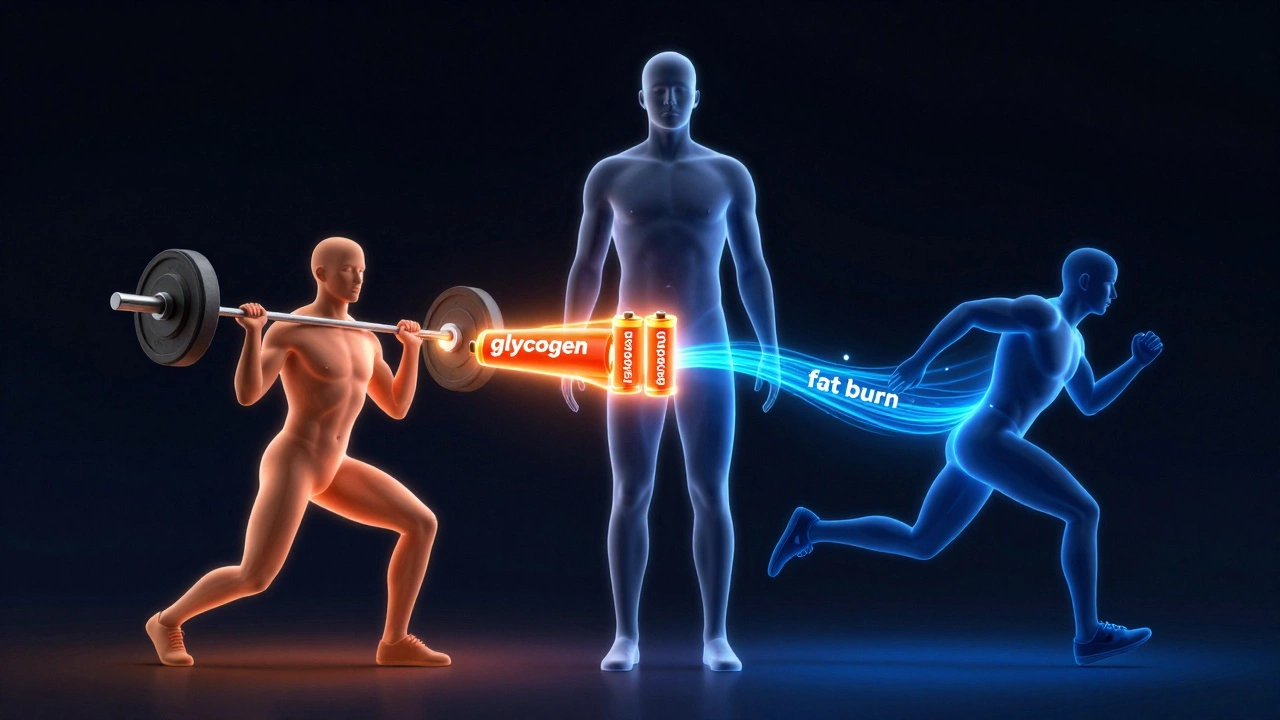
Think of your body’s energy stores as a bank account. You have two main types of currency: glycogen (stored carbs in your muscles) and fat. When you start a workout, your body reaches for the quick cash-glycogen-first. It’s high-octane fuel designed for explosive movements like squats, deadlifts, and sprints.
If you do cardio first, especially intense cardio, you spend a chunk of that glycogen. By the time you step up to the barbell, your tank is half-empty. You might find yourself failing on a rep you could easily handle if you were fresh. This doesn’t just hurt your performance; it signals your body that building large amounts of new muscle tissue isn’t a priority right now because you’re already stressed from running.
Glycogen depletion is the process where stored carbohydrates in muscles are used up during exercise, leading to fatigue and reduced performance in subsequent activities. It is the primary reason why doing long-distance running before lifting weights often results in weaker lifts and poorer form.Conversely, if you lift weights first, you use your peak energy levels for the complex, neural-demanding tasks. Lifting requires coordination, balance, and maximum force production. Once those sets are done, your body naturally shifts gears. You can then transition to cardio. At this point, your glycogen is lower, which may help your body tap into fat stores slightly more efficiently during the aerobic phase, though the total calorie burn remains similar regardless of order.
Your objective is the compass here. There is no "one size fits all" because human physiology adapts to what you prioritize. Here is how to map your goals to your workout structure.
| Primary Goal | Recommended Order | Why It Works |
|---|---|---|
| Build Muscle & Strength | Weights First | Preserves neural drive and glycogen for heavy lifts. |
| Improve Endurance (Running/Cycling) | Cardio First | Prioritizes aerobic conditioning and technique while fresh. |
| Fat Loss / General Health | Weights First (Usually) | Maintains muscle mass (which burns calories at rest) while adding cardio volume. |
| Sport-Specific Conditioning | Varies by Sport | Mimic game demands (e.g., soccer players might run drills after light weights). |
If you want bigger biceps and stronger legs, lift first. Muscle growth requires mechanical tension and metabolic stress. Both require you to push close to failure. If you’ve already run five miles, your legs are shaky, your grip is weak, and your focus is scattered. You won’t be able to squat as much weight, meaning less stimulus for growth. Over time, this leads to slower progress.
Research consistently shows that performing resistance training before aerobic exercise preserves strength gains better than the reverse. A study published in the *Journal of Strength and Conditioning Research* found that subjects who lifted weights before cycling maintained their leg strength, whereas those who cycled first saw a significant drop in squat performance over eight weeks.
If you are training for a 10K or a triathlon, your priority is aerobic capacity. In this case, run or cycle first. You need your central nervous system to be fresh to maintain proper running form and pace. Doing heavy squats before a tempo run increases injury risk because your stabilizing muscles are fatigued. However, even endurance athletes should consider separating these sessions entirely if possible-lifting in the morning and running in the evening-to avoid interference altogether.
There is a concept in sports science called the "interference effect." Essentially, signaling pathways for muscle growth (mTOR) and endurance adaptation (AMPK) can clash if stimulated too closely together. Doing heavy weights and then immediately sprinting for 30 minutes might blunt both adaptations slightly.
Does this mean you can’t do both in one session? No. For the average person going to the gym three times a week, the interference effect is minimal compared to the benefits of consistency. The bigger issue is usually recovery. If you combine heavy lifting with high-intensity interval training (HIIT) every day, you will burn out. Your joints, nerves, and muscles need time to repair.
Interference Effect is a physiological phenomenon where concurrent endurance and strength training may impair gains in one or both modalities due to conflicting cellular signaling pathways. It is most pronounced in elite athletes but less relevant for recreational fitness enthusiasts who train with moderate intensity.To mitigate this, keep your cardio moderate if you’re doing it after weights. A 20-minute brisk walk or light jog is fine. Save the brutal HIIT sessions for days when you aren’t lifting heavy legs, or do them on separate days.
You don’t need to overcomplicate this. Here are three practical ways to structure your week depending on your schedule and goals.
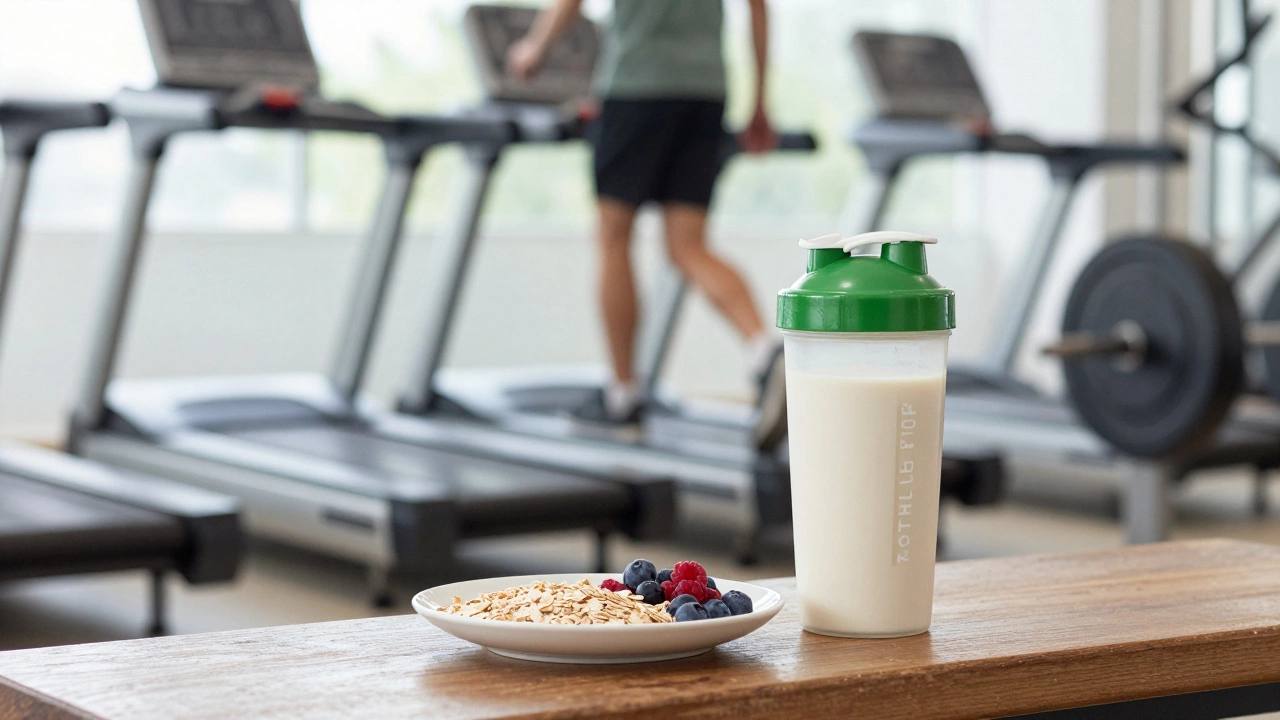
Order matters, but fuel matters more. If you are doing both cardio and weights in one session, your carbohydrate intake becomes critical. You need enough carbs pre-workout to support the lifting portion. Don’t skip breakfast or pre-workout snacks if you plan to do a combined session.
Post-workout nutrition is also key. After lifting and then doing cardio, your body is primed to replenish glycogen. Consuming protein and carbs within an hour helps recovery. Protein repairs the muscle fibers torn during lifting, while carbs refill the energy tanks emptied by both activities. Without adequate fuel, your body may start breaking down muscle tissue for energy, which is the opposite of what you want.
Science provides guidelines, but your body provides data. Some people feel great lifting after a light jog. Others feel sluggish. Pay attention to how you feel. If you notice your strength plateauing or declining, try moving cardio to the end of the session or to separate days. If your endurance suffers, move cardio to the front.
Consistency beats perfection. The best workout order is the one you can stick to without getting injured or burning out. Start with weights first if you’re unsure. It’s the safest bet for maintaining muscle and strength while still reaping the cardiovascular benefits.
No, generally you should do weights first. While doing cardio first might burn slightly more fat during that specific session, preserving muscle mass is crucial for long-term fat loss. Muscle tissue burns more calories at rest than fat tissue. By lifting first, you ensure you can lift heavy enough to maintain or build muscle, which keeps your metabolism higher overall. Additionally, you’ll have more energy for effective workouts, leading to better adherence and results over time.
If you are doing both in the same session, there is no need to wait long. Transition directly from weights to cardio, taking only a minute or two to change clothes or catch your breath. If you are doing them in separate sessions, aim for at least 6-8 hours apart to allow partial recovery of glycogen stores and central nervous system function. For example, lift in the morning and run in the evening.
You can, but it’s not recommended for everyone. HIIT is highly demanding on your nervous system and muscles. Doing it after heavy lifting can compromise your form and increase injury risk. If you must do both, keep the HIIT session short (10-15 minutes) and low-impact (like cycling or rowing) to spare your joints. Alternatively, save HIIT for days when you are not lifting heavy weights.
No, moderate cardio does not kill gains. The idea that any cardio destroys muscle is a myth. As long as you are eating enough protein and calories to support recovery, and you are not doing excessive volumes of endurance training, you can build muscle and improve cardiovascular health simultaneously. The key is managing intensity and recovery.
Low-impact, steady-state cardio is best after weights. Options include walking on an incline, using the elliptical, or swimming. These activities elevate your heart rate without placing additional stress on your joints and central nervous system, which are already fatigued from lifting. This allows you to burn extra calories and aid recovery through increased blood flow without hindering muscle growth.