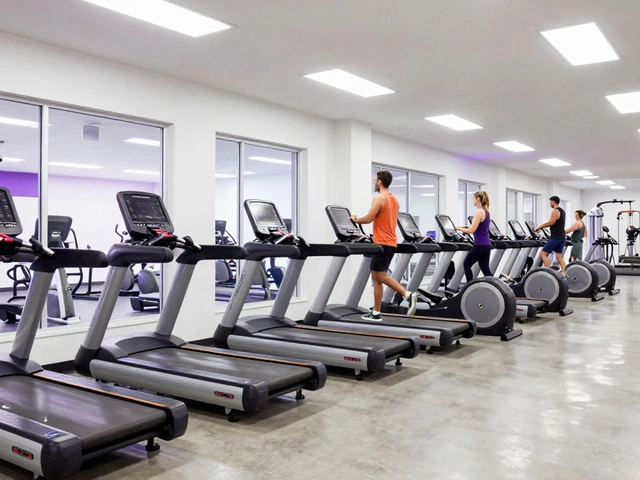
Estimate burn for a typical session mentioned in the article.
Here is the hard truth that most fitness influencers won't tell you: there is no single exercise that burns the most belly fat. If someone promises you that doing five hundred crunches a day will melt away your love handles, they are selling you a dream, not science. The concept of "spot reduction"-the idea that you can target fat loss in one specific area by exercising that muscle-is a persistent myth in the fitness world. Your body decides where it loses fat based on genetics, hormones, and overall energy balance, not because you are twisting your torso while holding a dumbbell.
However, that doesn't mean you are powerless. While you cannot command your body to burn fat exclusively from your midsection, you can create an environment where your body *must* use stored fat for fuel, including the stubborn visceral fat around your organs. The key lies in combining high-intensity movements that spike your metabolism with consistent strength training that builds lean muscle mass. When done at home, this approach requires zero equipment but demands maximum effort and discipline.
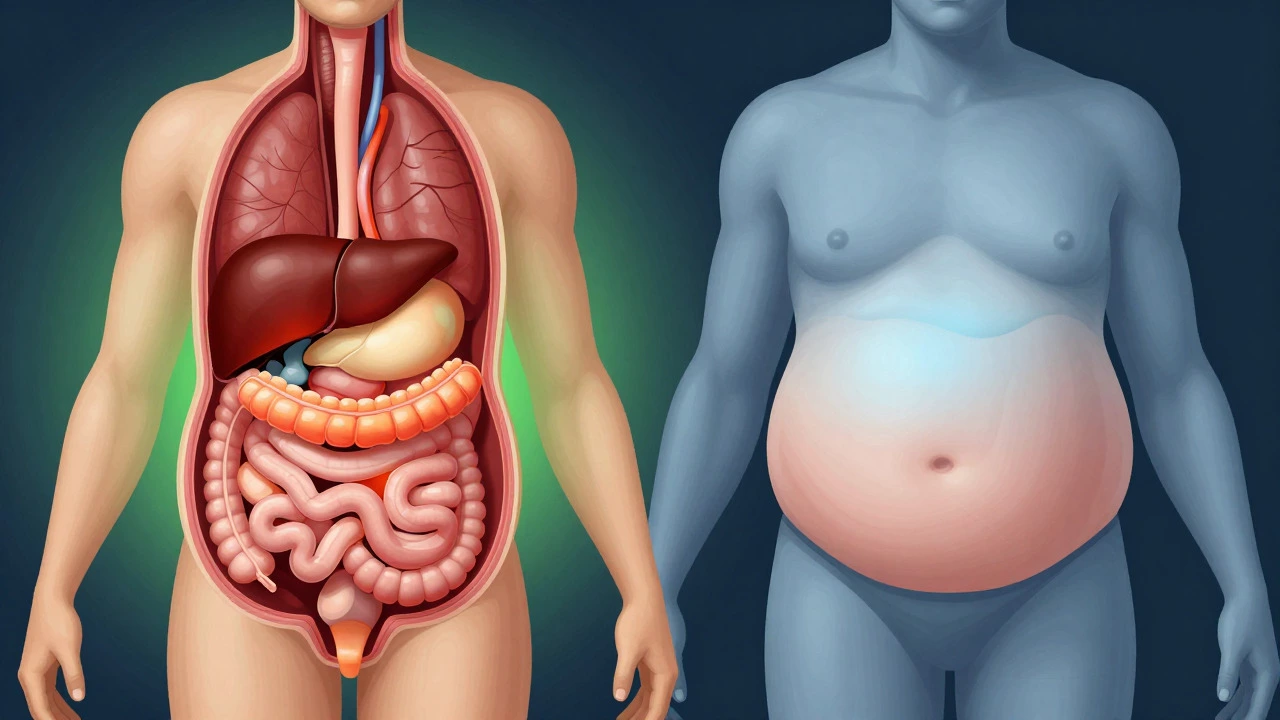
To understand how to lose belly fat, you first need to know what kind of fat you are dealing with. There are two main types of abdominal fat: Subcutaneous fat is the pinchable fat layer directly under the skin, which is often the last to go. Then there is Visceral fat is deep-seated fat surrounding internal organs like the liver and intestines. Visceral fat is metabolically active and releases inflammatory substances that increase the risk of heart disease and type 2 diabetes. The good news? Visceral fat is actually more responsive to exercise and diet changes than subcutaneous fat. This means that when you start moving consistently, your body tends to tap into these deeper reserves first, even if your waistline doesn't shrink dramatically overnight.
This distinction matters because it shifts the focus from aesthetics to health. You might not see a six-pack immediately, but reducing visceral fat improves insulin sensitivity and lowers blood pressure. It is a win-win scenario where feeling better precedes looking better. Understanding this biological reality helps manage expectations and prevents the frustration that leads many people to quit their home workout routines after just two weeks.
If you had to pick one style of exercise to prioritize for fat loss, it would be High-Intensity Interval Training (HIIT). Unlike steady-state cardio, such as jogging on a treadmill for thirty minutes, HIIT involves short bursts of near-maximum effort followed by brief recovery periods. For example, you might sprint in place for thirty seconds, then walk slowly for fifteen seconds, repeating this cycle for ten to twenty minutes. This method triggers a physiological response known as Excess Post-exercise Oxygen Consumption (EPOC), commonly referred to as the "afterburn effect."
During EPOC, your body continues to burn calories at an elevated rate for hours after the workout ends as it works to restore oxygen levels, repair muscle tissue, and balance hormones. Studies have shown that HIIT can burn up to 30% more calories than other forms of exercise during the same time frame. For busy individuals fitting workouts into their homes between work and family commitments, this efficiency is invaluable. You do not need a gym membership or expensive machines; you just need your body weight and a timer.
| Exercise Type | Calorie Burn (During) | Afterburn Effect (EPOC) | Best For |
|---|---|---|---|
| HIIT | High | Significant (24-48 hours) | Time-efficient fat loss |
| Steady-State Cardio | Moderate | Minimal | Cardiovascular endurance |
| Strength Training | Moderate | Moderate | Muscle building & metabolic boost |
| Yoga/Pilates | Low-Moderate | Low | Core stability & flexibility |
While no exercise targets belly fat directly, certain movements engage the core muscles extensively while simultaneously raising your heart rate. These compound exercises force multiple muscle groups to work together, leading to higher calorie expenditure. Here are the most effective moves you can perform in your living room:
The secret is not just doing these exercises, but performing them with proper form and sufficient intensity. If you can hold a conversation easily while doing mountain climbers, you are likely going too slow. Push yourself to the point where speaking becomes difficult, then recover, and repeat. This intensity is what signals your body to adapt and burn stored fat.
Cardio gets the job done quickly, but strength training sustains the results. Muscle tissue is metabolically expensive, meaning it burns more calories at rest than fat tissue does. By incorporating bodyweight strength exercises into your routine, you increase your Basal Metabolic Rate (BMR). This means you burn more calories just sitting on the couch watching TV.
You do not need heavy weights to achieve this. Exercises like push-ups, dips using a sturdy chair, and single-leg deadholds build functional strength and muscle density. As you build muscle, your body composition changes. Even if the scale does not move significantly, your clothes may fit looser because you are replacing dense fat with lean muscle. This is why focusing solely on weight loss can be misleading; body recomposition is a healthier and more sustainable goal.
You can do HIIT every day, but if you consume more calories than you burn, you will not lose fat. Nutrition accounts for approximately 70-80% of weight loss success, while exercise accounts for the remaining 20-30%. To lose belly fat, you must be in a slight caloric deficit. This does not mean starving yourself; it means eating nutrient-dense foods that keep you full while providing fewer calories.
Focus on reducing refined carbohydrates and added sugars, which spike insulin levels and promote fat storage, particularly around the abdomen. Instead, prioritize protein intake. Protein has a high thermic effect, meaning your body uses more energy to digest it compared to fats or carbs. Additionally, protein preserves muscle mass during weight loss, ensuring that the weight you lose comes from fat, not muscle. Foods like chicken breast, fish, eggs, legumes, and Greek yogurt are excellent choices.
Hydration also plays a critical role. Sometimes, thirst masks itself as hunger. Drinking water before meals can help reduce calorie intake naturally. Furthermore, limiting alcohol consumption is crucial, as alcohol halts fat burning processes while the liver prioritizes metabolizing the ethanol. Beer, in particular, is linked to increased abdominal fat due to its high carbohydrate content.

Exercise and diet are only half the equation. Chronic stress and poor sleep are silent saboteurs of belly fat loss. When you are stressed, your body produces cortisol, a hormone that encourages fat storage in the abdominal area. Cortisol breaks down muscle tissue for energy and signals the body to store fat as a reserve for future "emergencies." Similarly, lack of sleep disrupts hunger hormones. Ghrelin (the hunger hormone) increases, while leptin (the satiety hormone) decreases, leading to overeating and cravings for sugary, fatty foods.
Aim for seven to nine hours of quality sleep per night. Establish a consistent bedtime routine, limit screen time before bed, and keep your bedroom cool and dark. Managing stress through techniques like meditation, deep breathing exercises, or simply taking walks in nature can lower cortisol levels. These lifestyle adjustments complement your physical efforts and create a hormonal environment conducive to fat loss.
Consistency beats intensity in the long run. Rather than exhausting yourself with a two-hour workout once a week, aim for shorter, frequent sessions. A realistic plan might look like this:
Track your progress not just by the number on the scale, but by how your clothes fit, your energy levels, and your performance in workouts. Taking progress photos monthly provides visual evidence of change that scales often miss. Remember, losing belly fat is a marathon, not a sprint. Be patient with yourself, celebrate small victories, and stay committed to the process.
Losing significant belly fat in one week is unlikely and often unhealthy. Most rapid weight loss in the first week is water weight, not fat. Sustainable fat loss occurs at a rate of about 0.5 to 1 pound per week. Focus on building habits that lead to long-term results rather than quick fixes.
Crunches strengthen the abdominal muscles underneath the fat, but they do not burn the fat covering them. Think of it like trying to melt ice on a windshield by warming up the wipers. You need to generate overall heat (calorie deficit) to melt the ice (fat). Incorporate crunches for core strength, but rely on HIIT and diet for fat loss.
The best time to exercise is whenever you can stick to it consistently. Some studies suggest morning fasted cardio may slightly enhance fat oxidation, but the difference is negligible compared to total daily energy expenditure. Choose a time that fits your schedule and energy levels to ensure long-term adherence.
Aim for 1.6 to 2.2 grams of protein per kilogram of body weight daily. This amount helps preserve muscle mass during a calorie deficit and keeps you feeling fuller for longer, reducing the likelihood of snacking on empty calories. Include a source of protein in every meal.
Walking is beneficial for overall health and can contribute to a calorie deficit, but it is generally less efficient for rapid fat loss compared to HIIT or strength training. However, increasing your daily step count to 10,000+ steps can significantly aid weight management when combined with a healthy diet. It is a great starting point for beginners.