Select your primary goal to customize the plan.
Keep hands off rails to engage core and prevent lower back strain.
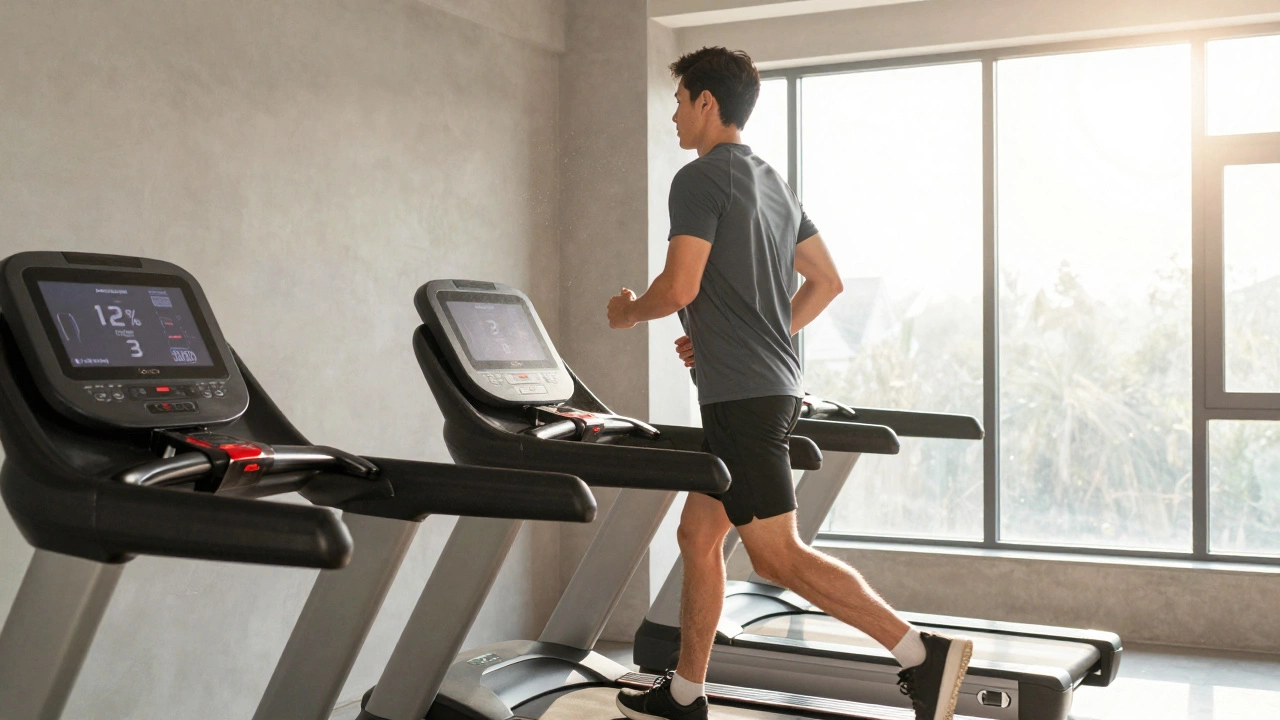
You’ve probably seen the 12-3-30 workout is a viral fitness routine involving walking on a treadmill at a 12% incline, 3 mph speed, for 30 minutes. Popularized by fitness influencer Lauren Simpson in early 2022, this specific combination of settings has taken social media by storm. But if you are a dedicated runner, you might be wondering: does this trend actually help your performance, or is it just another passing fad?
The short answer is that the 12-3-30 workout can be a powerful tool in your training arsenal, but only if you use it correctly. It is not a replacement for your key runs, nor is it a magic bullet for weight loss. Instead, it serves as a unique form of active recovery, cardiovascular conditioning, and muscular endurance building that complements traditional running.
To understand how this fits into a running plan, you first need to break down the mechanics. The numbers refer to three specific variables on a treadmill:
That’s it. No running, no jumping, no complex choreography. Just steady, uphill walking. The low speed ensures you aren’t jogging, while the high incline forces your body to work harder than flat-ground walking would require. This creates a significant calorie burn and heart rate elevation without the high impact of pounding the pavement.
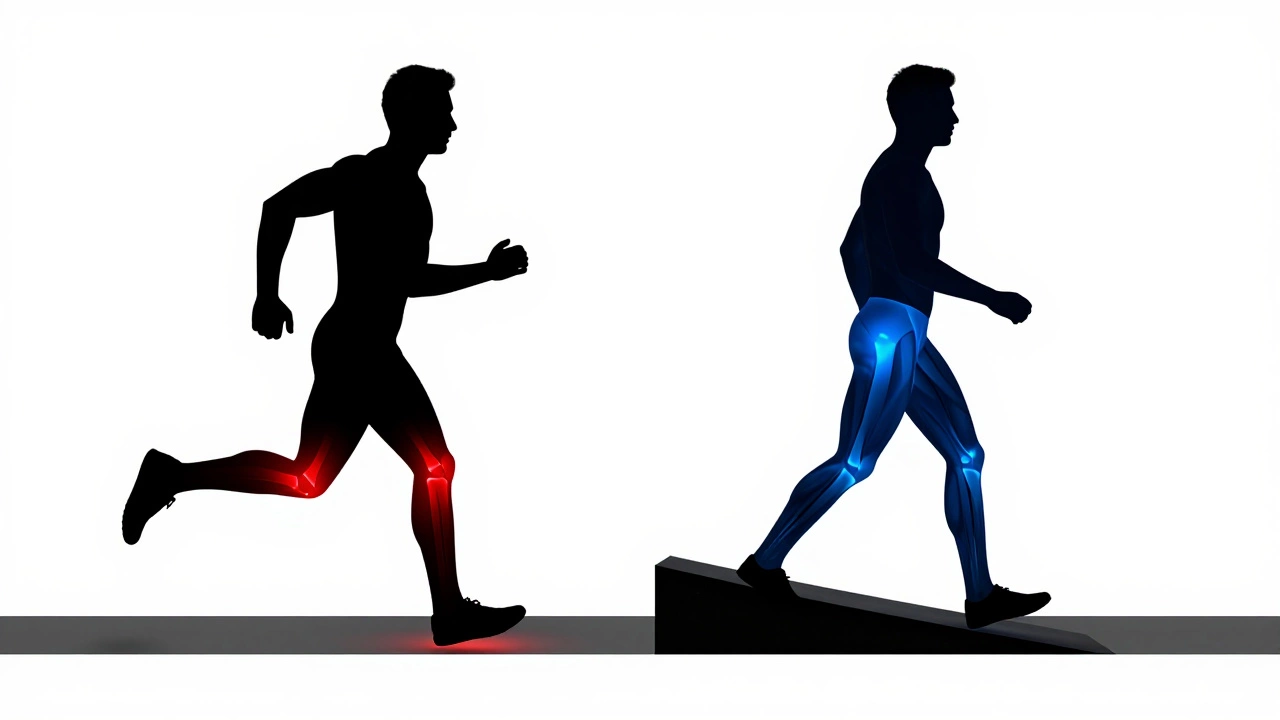
If you run regularly, you already get plenty of cardio. So why add 30 minutes of steep walking? The benefit lies in the difference between high-impact exercise and low-impact exercise. Running places repetitive stress on your joints, particularly your knees, ankles, and hips. Over time, this can lead to overuse injuries like shin splints or IT band syndrome.
Incline walking offers a way to build cardiovascular endurance and leg strength without that joint punishment. It targets different muscle groups more intensely than flat running. Specifically, it engages your glutes, hamstrings, and calves in a shortened range of motion. For runners who struggle with weak glutes-a common cause of knee pain-this workout acts as both cardio and strength training.
The biggest mistake runners make is trying to replace their easy runs with the 12-3-30 workout. While they share similarities, they are not identical. An easy run allows your legs to cycle through a full range of motion, maintaining the neuromuscular patterns specific to running. The 12-3-30 is a distinct stimulus. Here is how to slot it into your weekly plan effectively.
Use the 12-3-30 on days when you feel slightly fatigued but want to keep moving. After a hard interval session or a long run, your muscles may be sore. A 30-minute incline walk promotes blood flow to aid recovery without adding mechanical stress. Replace your scheduled "easy jog" with this workout once a week.
If you follow a structured plan that includes one or two cross-training days, the 12-3-30 is an excellent substitute for cycling or swimming. It keeps your heart rate in Zone 2 (the aerobic base-building zone) while strengthening the posterior chain. This is particularly useful if you don’t have access to a pool or bike.
If you are training for a hilly race, such as a trail run or a marathon with significant elevation gain, the 12-3-30 mimics the effort of climbing steep grades. However, remember that walking up a hill is biomechanically different from running up one. Use this to build muscular endurance, but ensure you also include actual uphill running drills in your workouts.
While generally safe, the 12-3-30 workout isn’t risk-free. The primary concern is lower back strain. Leaning heavily against the handrails to pull yourself up the incline defeats the purpose and puts undue pressure on your spine. Keep your hands off the rails. Stand tall, engage your core, and let your legs do the work. If you find yourself gripping the bars tightly, lower the incline to 8 or 10 percent until your posture improves.
Another issue is calf tightness. Walking at a 12-degree angle keeps your calves in a shortened position for 30 minutes. This can lead to stiffness later in the day. Always finish your session with 5 minutes of flat walking to stretch out your calves, followed by static stretching or foam rolling.
| Feature | 12-3-30 Workout | Easy Run |
|---|---|---|
| Impact Level | Low | High |
| Primary Muscle Focus | Glutes, Hamstrings, Calves | Quads, Hip Flexors, Glutes |
| Joint Stress | Minimal | Moderate to High |
| Calorie Burn (approx.) | 250-350 kcal | 200-300 kcal |
| Running Specificity | Low | High |
As you can see, the 12-3-30 burns slightly more calories due to the intensity of the incline, but it lacks the sport-specific benefits of running. Do not swap all your runs for this workout. Maintain at least 70-80% of your mileage as actual running to preserve your running economy.

You don’t have to stick rigidly to the 12-3-30 formula. Adjusting the variables can make it more suitable for your current fitness level.
The 12-3-30 workout is not a cure-all, but it is a highly efficient tool for runners looking to diversify their training. By incorporating it as a form of low-impact cross-training or active recovery, you can build stronger legs, improve your aerobic base, and reduce the risk of injury. Listen to your body, keep your posture upright, and remember that variety is the spice of a sustainable running career.