There’s a lot of noise out there about protein shakes melting away belly fat. You’ve seen the ads: drink this shake, lose inches overnight. But here’s the truth - protein doesn’t magically burn fat. It doesn’t have a magic button that says ‘destroy belly fat.’ What it does do? It helps create the conditions where your body naturally loses fat - including stubborn belly fat - if you’re eating right and moving enough.
Let’s clear this up right away: no food, supplement, or shake burns fat on its own. Fat loss happens when you burn more calories than you take in. That’s it. But protein plays a starring role in making that process easier, more efficient, and sustainable.
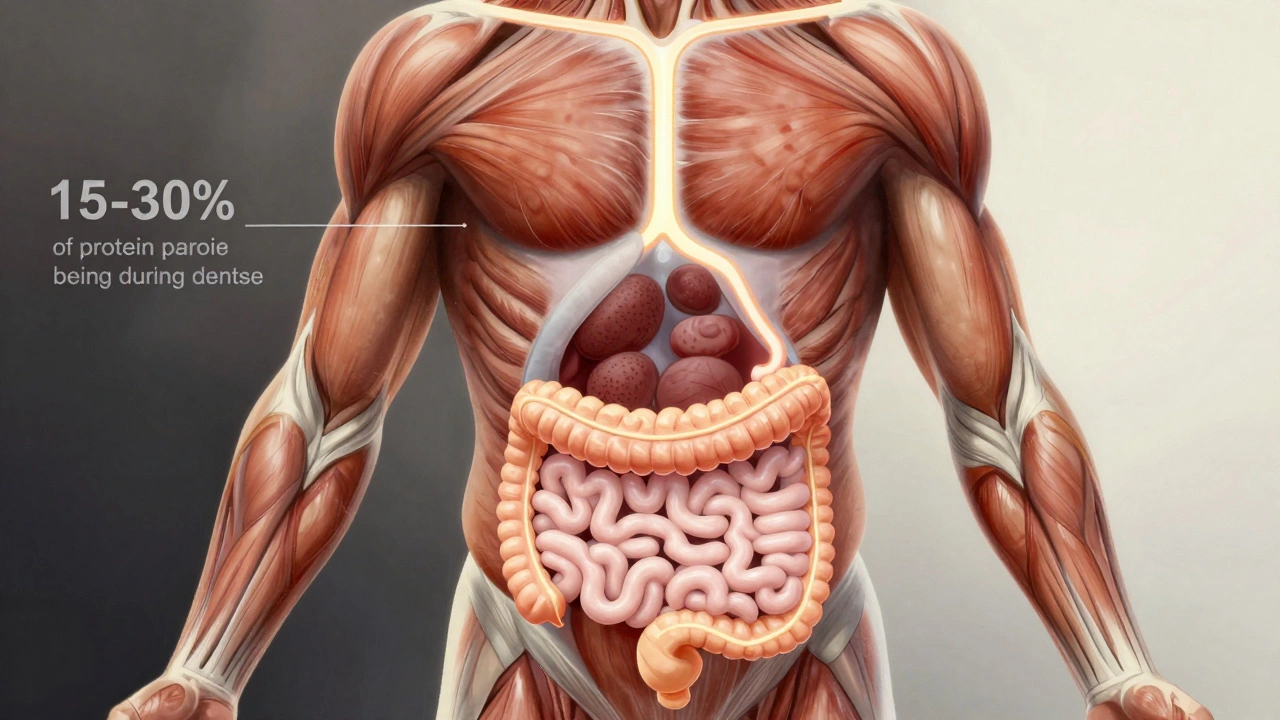
When you eat protein, your body uses more energy to digest it than it does with carbs or fat. This is called the thermic effect of food. Protein can boost your metabolism by 15-30%, compared to 5-10% for carbs and just 0-3% for fat. That means if you eat 100 calories of protein, your body might burn 15-30 of those calories just digesting it. That’s not magic - it’s biology.
And here’s the kicker: protein keeps you full longer. Studies from the American Journal of Clinical Nutrition show that people who eat higher-protein meals feel less hungry and snack less throughout the day. If you’re trying to cut calories without feeling miserable, protein is your best friend.
Not every protein shake on the shelf will help you lose belly fat. Some are loaded with sugar, thickeners, and artificial flavors. A single serving can have 20 grams of sugar - that’s more than a candy bar. If you’re drinking those, you’re not losing fat. You’re just adding calories under the guise of ‘health.’
The best protein shakes for fat loss have:
Whey protein is the most studied. Research from the University of Texas found that overweight adults who consumed 56 grams of whey protein daily for 23 weeks lost more belly fat than those who didn’t - even without changing their activity level. Why? Because whey helps preserve muscle while you’re in a calorie deficit. Muscle burns more calories at rest than fat. So holding onto muscle = easier fat loss.
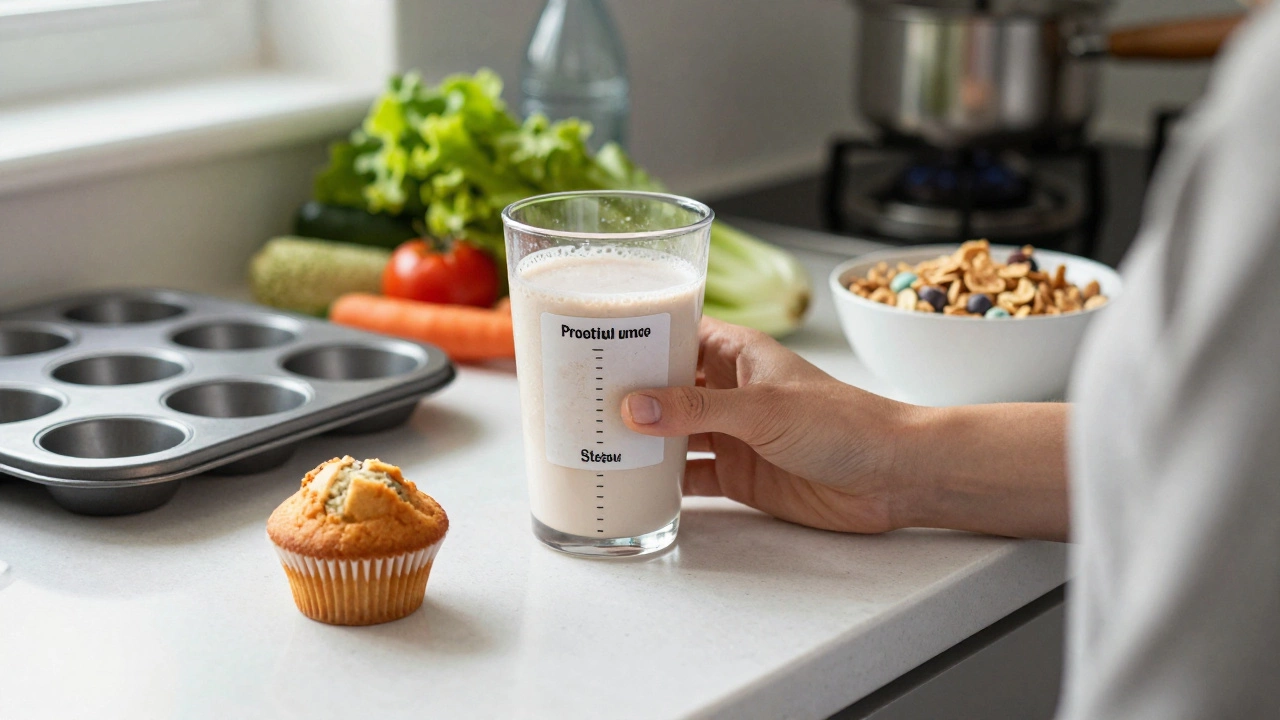
Timing matters, but not in the way you think. Drinking a shake right after a workout helps recovery - yes. But if you’re trying to lose belly fat, the real win comes from replacing high-calorie snacks or meals with a protein shake.
For example:
One study from the Journal of Nutrition tracked 100 women over 12 weeks. Those who replaced one daily meal with a high-protein shake lost 11% more belly fat than those who just cut calories without protein. The key? Consistency. Not timing. Not brand. Just replacing one high-sugar, high-fat meal with a protein-rich option.
Here’s where people get stuck. They think, ‘I’m drinking my protein shake, so I can eat whatever else I want.’ Nope.
Protein helps you lose fat - but only if your total calorie intake is below what you burn. If you’re drinking a shake and still eating fried chicken, pasta, and cookies all day? You’re not losing belly fat. You’re just adding protein to an already excessive calorie load.
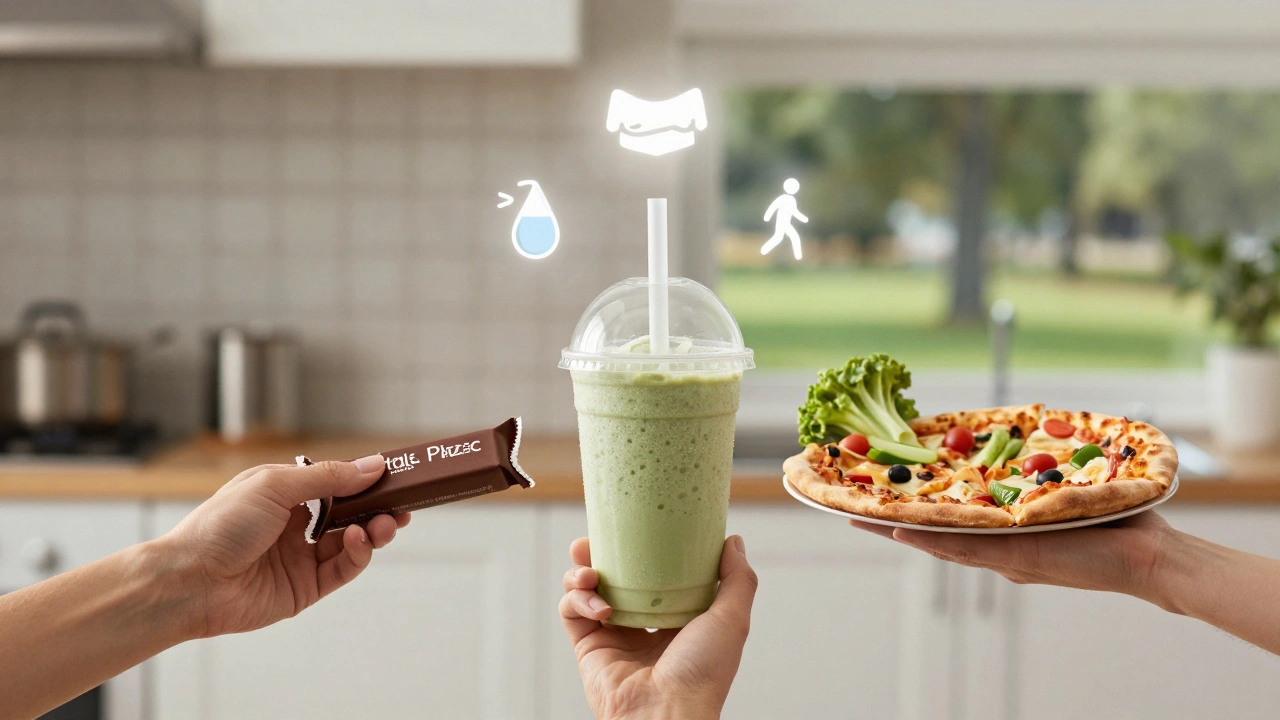
Real fat loss happens when protein is part of a broader shift:
A 2024 study from the University of Sydney tracked 300 adults over 6 months. Those who ate high-protein meals (at least 30g per meal) AND cut out sugary drinks lost 2.3 times more belly fat than those who only increased protein. The combination mattered.
Yes, you can lose belly fat with pea, soy, or brown rice protein. Soy protein has been shown in multiple studies to work just as well as whey for fat loss and muscle retention. Pea protein is great too - it’s high in arginine, which may help improve blood flow and fat metabolism.
But plant proteins are often lower in leucine - an amino acid that triggers muscle growth. If you’re using plant-based protein, aim for 25-30 grams per shake to make up for it. Look for blends - like pea + rice + hemp - to get a complete amino acid profile.
You don’t need the most expensive brand. You need a clean label. Here’s what to look for:
Brands like Optimum Nutrition Gold Standard, Naked Whey, and Garden of Life Organic Plant-Based Protein all meet these criteria. But so do many store-brand options. Read the label - not the marketing.
Protein shakes aren’t a quick fix. You won’t wake up with a flat stomach after one week. Belly fat is stubborn because it’s tied to stress hormones, sleep, and insulin sensitivity. Protein helps, but it works over time.
In a 12-week trial, people who drank a high-protein shake daily lost an average of 1.8 kg of belly fat. That’s about 4% of total body fat - not dramatic, but meaningful. And it stuck. Those who stopped the protein didn’t regain the fat as fast.
The real win? You feel better. More energy. Fewer cravings. Better sleep. That’s what keeps people going long-term.
If you’re struggling with belly fat, look at your overall pattern: Are you sleeping 7+ hours? Are you stressed? Are you drinking soda or juice? Fix those first. Then add protein to support the change.
Protein doesn’t burn belly fat. But it makes losing it easier. It keeps you full, preserves muscle, and boosts metabolism. A clean, low-sugar protein shake - used to replace a high-calorie snack or meal - can be a powerful tool. But it’s not magic. It’s part of a system.
Start simple: swap one daily snack for a protein shake with under 5g sugar. Keep it up for 4 weeks. Drink water. Move more. Sleep better. You’ll see results - not because of the shake, but because you changed your habits.
No. Fat loss happens all over the body - you can’t choose where to lose fat. Protein helps you lose overall body fat, including belly fat, by reducing hunger, preserving muscle, and slightly boosting metabolism. Spot reduction is a myth.
Both can work. Whey has been studied more and contains more leucine, which helps retain muscle during weight loss. But plant-based proteins like soy and pea have shown similar results in clinical trials. The best choice is the one you’ll stick with long-term.
Aim for 1.6 to 2.2 grams of protein per kilogram of body weight. For someone weighing 70 kg (154 lbs), that’s 112-154 grams of protein per day. Spread it across meals - 30-40g per meal - to maximize muscle retention and fullness.
Absolutely. Many people lose belly fat eating whole foods like eggs, chicken, tofu, Greek yogurt, lentils, and fish. Protein shakes are just a convenient way to hit your daily target. They’re optional - not required.
Only if you’re consuming more calories than you burn. Many protein shakes are high in calories and sugar. If you add them to your current diet without cutting anything else, you’ll gain weight. Always check the label and adjust your total food intake.