What is your primary goal right now?
Walking into a fitness studio often feels like walking into a maze of options. You see mats rolled out in neat rows, people holding poses that defy gravity, and others moving with slow, deliberate control on reformer machines. The question isn't just about which class looks cooler-it's about what your body actually needs right now. Are you trying to fix chronic back pain? Do you want to build lean muscle without bulking up? Or are you chasing mental clarity and stress relief?
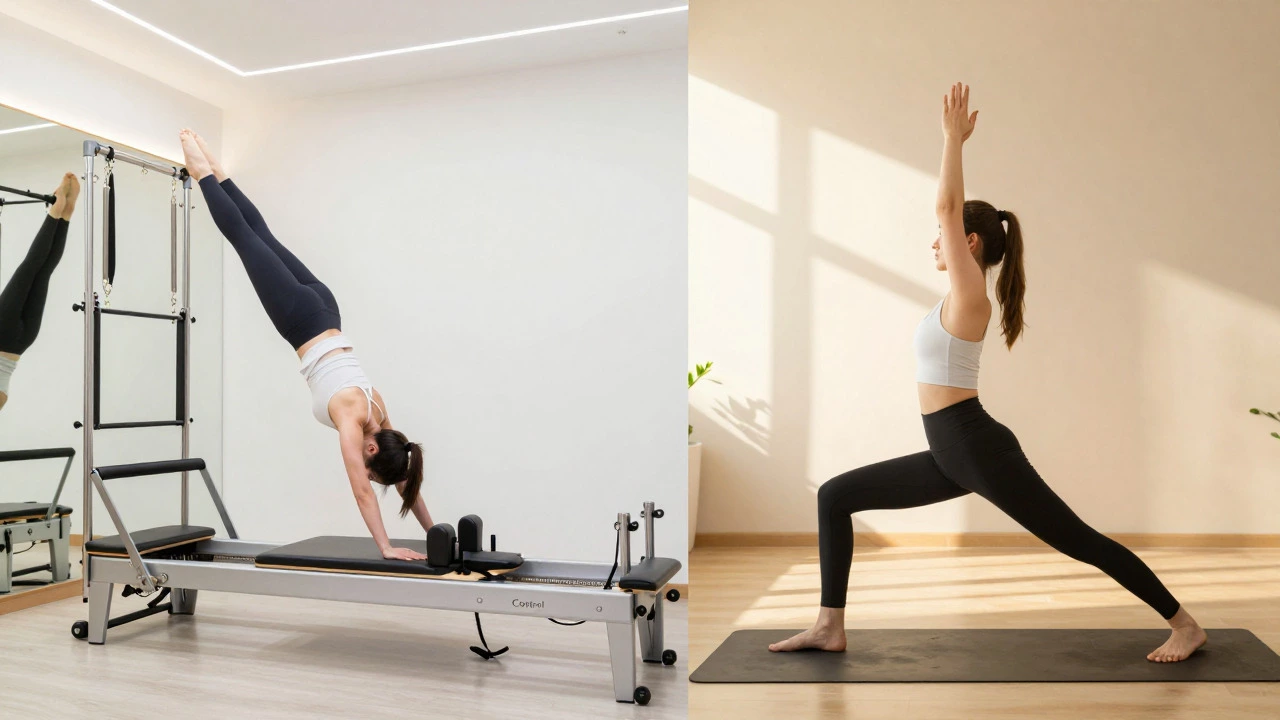
The debate between Pilates is a low-impact exercise method focused on core strength, stability, and controlled movement and Yoga is an ancient practice combining physical postures, breathing techniques, and meditation has raged for years. Neither is objectively "better." They are different tools for different jobs. Understanding the mechanics of each will help you decide which one-or if both-fits your current lifestyle and health goals.
To choose between them, you first need to understand where they come from and what they prioritize. This isn't just history lesson; it explains why your muscles feel different after each session.
Joseph Pilates, a German-born trainer who developed the system in the early 20th century, called his method Contrology. His goal was precise muscular control. Every movement has a specific purpose, usually targeting the "powerhouse"-the deep abdominal muscles, lower back, hips, and glutes. When you do Pilates, you are thinking about alignment, engagement, and resistance. It is mechanical. It is structural.
In contrast, Yoga originates from ancient India and spans thousands of years. While modern Western yoga often focuses heavily on the physical poses (asanas), traditional yoga is a holistic system connecting body, breath (pranayama), and mind. The philosophy emphasizes acceptance, flow, and being present in the moment. If Pilates is about controlling the body, Yoga is often about listening to it.
| Feature | Pilates | Yoga |
|---|---|---|
| Primary Focus | Muscular strength, core stability, posture | Flexibility, balance, mindfulness, breath |
| Movement Style | Controlled, repetitive, precise | Flowing, static holds, variable intensity |
| Equipment | Mat, Reformer, Cadillac, Chairs | Mat, blocks, straps, bolsters |
| Breathing | Lateral thoracic (side-to-side ribcage) | Nadi Shodhana or Ujjayi (nose breathing) |
| Mental Aspect | Concentration on form and muscle engagement | Meditation, relaxation, spiritual connection |
Your body responds differently to these two disciplines. If you are tracking progress through metrics like flexibility gains or core endurance, knowing the physiological outcomes helps set realistic expectations.
Pilates builds lean muscle tone. Because it uses resistance (either your own body weight or springs on equipment), it strengthens muscles evenly. This is particularly effective for the transverse abdominis, the deep core muscle that acts like a natural corset. Regular practitioners often notice improved posture within weeks because their upper back and shoulder blades become stronger and more stable. It is excellent for injury prevention because it teaches proper joint alignment under load.
Yoga improves flexibility and range of motion. Holding stretches for extended periods lengthens tight muscles and connective tissues. Styles like Vinyasa is a dynamic style of yoga that links movement with breath in a flowing sequence also provide a cardiovascular boost, raising your heart rate similarly to light jogging. Yoga has been shown to lower blood pressure and reduce cortisol levels, making it a powerful tool for managing stress-related physical tension.
If your goal is to look toned and move with precision, Pilates delivers. If your goal is to bend further, breathe deeper, and calm your nervous system, Yoga wins. However, many people find that doing both creates a balanced physique: strong yet flexible.
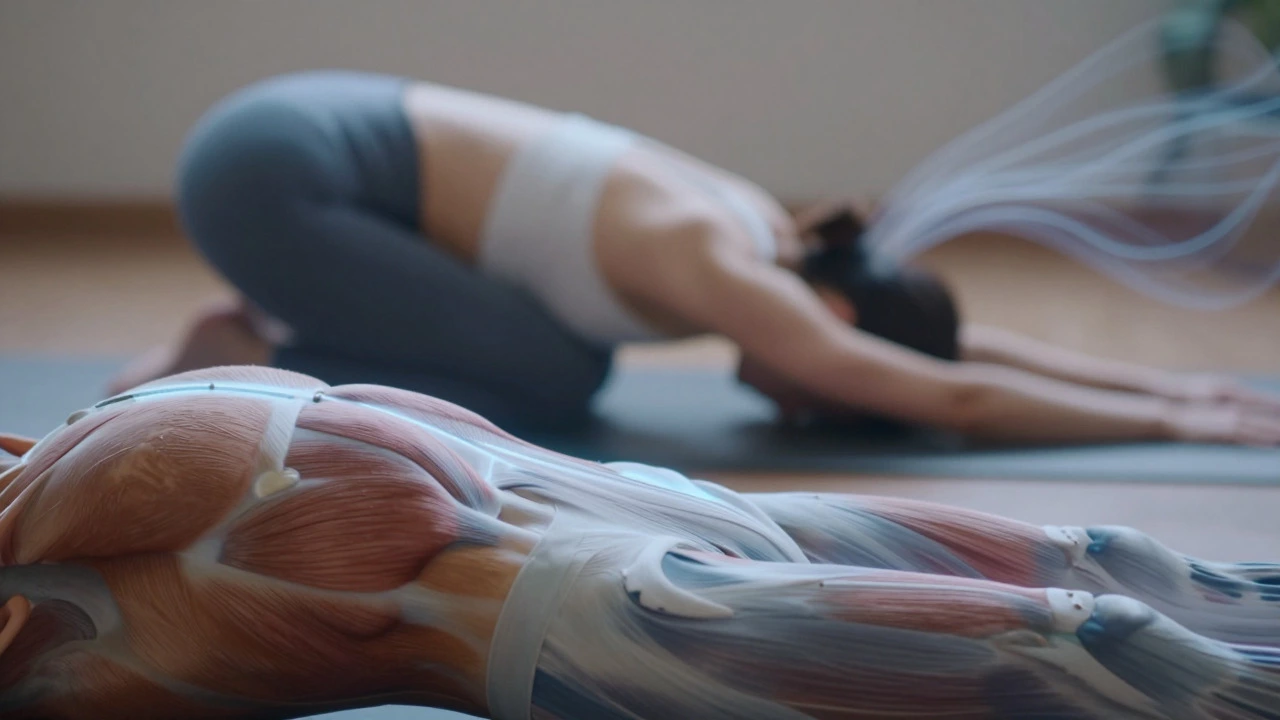
One common misconception is that Pilates requires expensive machinery. While this is true for Reformer Pilates is a type of Pilates performed on a specialized machine with springs and a sliding carriage, the original method was designed to be done on a mat. Mat Pilates is Pilates exercises performed on a floor mat using body weight for resistance can be done anywhere, requiring only a small space and perhaps a resistance band.
Yoga is inherently accessible. All you need is a mat. Props like blocks and straps are helpful but optional. This makes Yoga easier to start at home immediately. Pilates, however, offers a unique advantage with its equipment. The Reformer provides adjustable resistance, which means beginners can start with lighter springs and gradually increase difficulty. For those recovering from injury, this guided resistance can be safer than free-weight movements.
Consider your budget and convenience. A monthly membership for Reformer classes can cost significantly more than a basic Yoga studio pass. If you prefer working out at home, Yoga has a massive library of free online resources, while high-quality Mat Pilates instruction is harder to find for free due to the nuance required in form correction.
Pilates is not for everyone, but it is ideal for specific groups. You should lean toward Pilates if:
A notable example is professional athletes. Many NFL players and Olympic gymnasts incorporate Pilates into their training regimens not for flexibility, but for core power and injury resilience. The method’s emphasis on neutral spine position helps maintain structural integrity during high-impact activities.
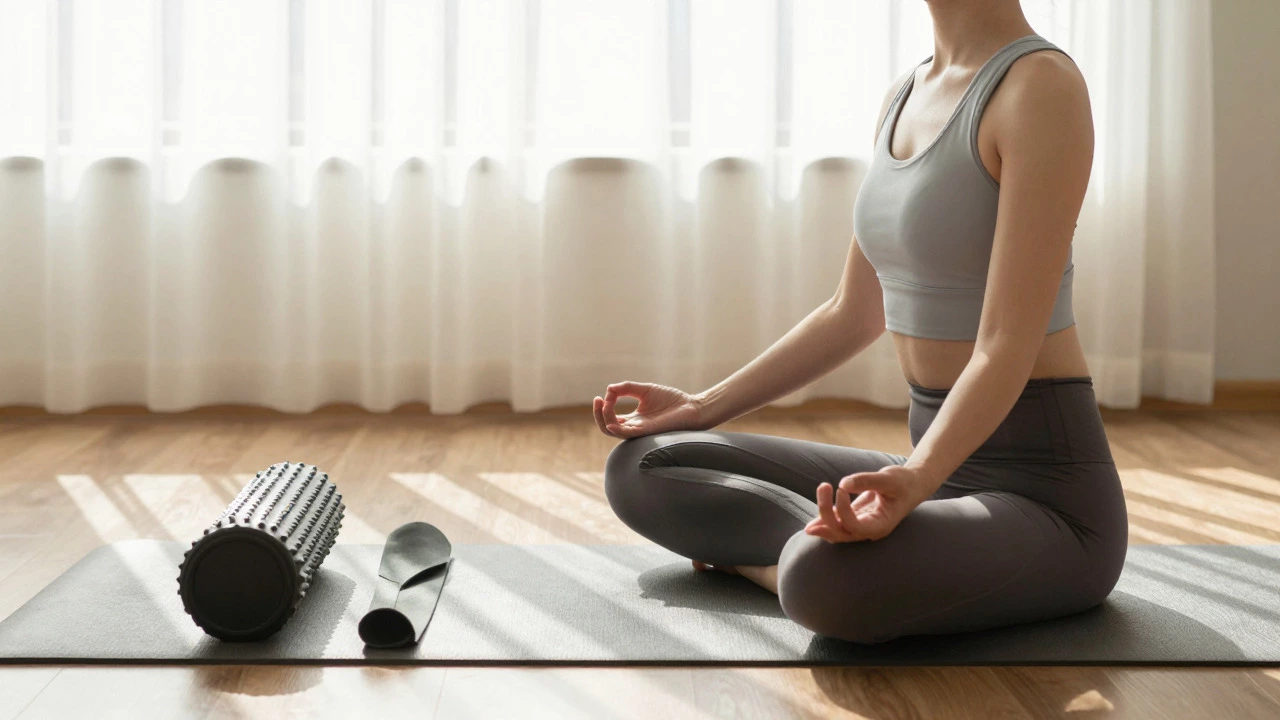
Yoga appeals to a broader demographic because of its mental health benefits and adaptability. You should choose Yoga if:
For instance, individuals recovering from burnout often find Yoga more restorative than Pilates. The passive nature of Yin Yoga, which involves holding poses for longer durations to target connective tissue, allows for deep mental release. It is less about "doing" and more about "being."">
Yes, and many fitness experts recommend it. Pilates and Yoga are complementary, not competitive. Think of them as two sides of the same coin. Pilates builds the strength needed to hold Yoga poses safely. Yoga provides the flexibility that allows for greater range of motion in Pilates movements.
A balanced weekly routine might look like this: three days of Yoga for flexibility and stress relief, and two days of Pilates for core strength and posture. Alternatively, you could alternate them daily. Listen to your body. If you feel overly sore, switch to a gentler modality. If you feel stagnant, add more resistance or challenge.
Ultimately, the best exercise is the one you enjoy enough to stick with. Try a beginner class in both. Pay attention to how you feel afterward. Do you feel energized and aligned? Or do you feel calm and stretched? Your body’s response will tell you which path to take next.
Neither Pilates nor Yoga is primarily designed for rapid weight loss. Both burn calories, but the amount varies by intensity. Vinyasa or Power Yoga can burn similar calories to moderate cardio, while Reformer Pilates burns fewer calories but builds lean muscle that boosts metabolism over time. For significant weight loss, combine either practice with cardiovascular exercise and a calorie-controlled diet.
Yes, but private sessions are recommended initially. Reformer machines have many adjustments, and incorrect setup can lead to ineffective workouts or strain. A certified instructor can tailor spring resistance to your current strength level, making it safe for beginners. Once you understand the basics, group classes are affordable and enjoyable.
Yoga builds functional strength and endurance, particularly in styles like Ashtanga or Power Yoga. Poses like Plank, Chaturanga, and Warrior III require significant muscular effort. However, it does not build bulk like weightlifting. For noticeable muscle hypertrophy, supplement Yoga with resistance training or Pilates.
Both can help, but they address back pain differently. Pilates strengthens the core muscles that support the spine, reducing strain on the back. Yoga improves flexibility in the hamstrings and hip flexors, which can pull on the lower back when tight. Consult a healthcare provider before starting either if you have acute pain, and inform your instructor of any limitations.
Consistency matters more than frequency. Aim for 2-3 sessions per week of either discipline to see results. For optimal balance, consider practicing both 1-2 times per week each. Allow rest days for recovery, especially when starting out, to prevent overuse injuries.