You don't need a membership to get fit. In fact, starting your fitness journey from the comfort of your living room might be the smartest move you make this year. The barrier to entry has never been lower, yet many people still feel stuck staring at their couch, wondering where to begin. The truth is, home workouts are not just a temporary trend; they are a sustainable lifestyle shift that requires minimal equipment and maximum intention.
If you have ever felt intimidated by crowded gyms or frustrated by expensive contracts, you are not alone. Millions of people have turned to their homes as their primary training ground since 2020. By 2026, the stigma around "just doing pushups" has vanished. Instead, it is recognized as a highly effective way to build strength, improve cardiovascular health, and boost mental clarity. This guide will walk you through exactly how to start, what to buy (and what to skip), and how to stay consistent when no one is watching.
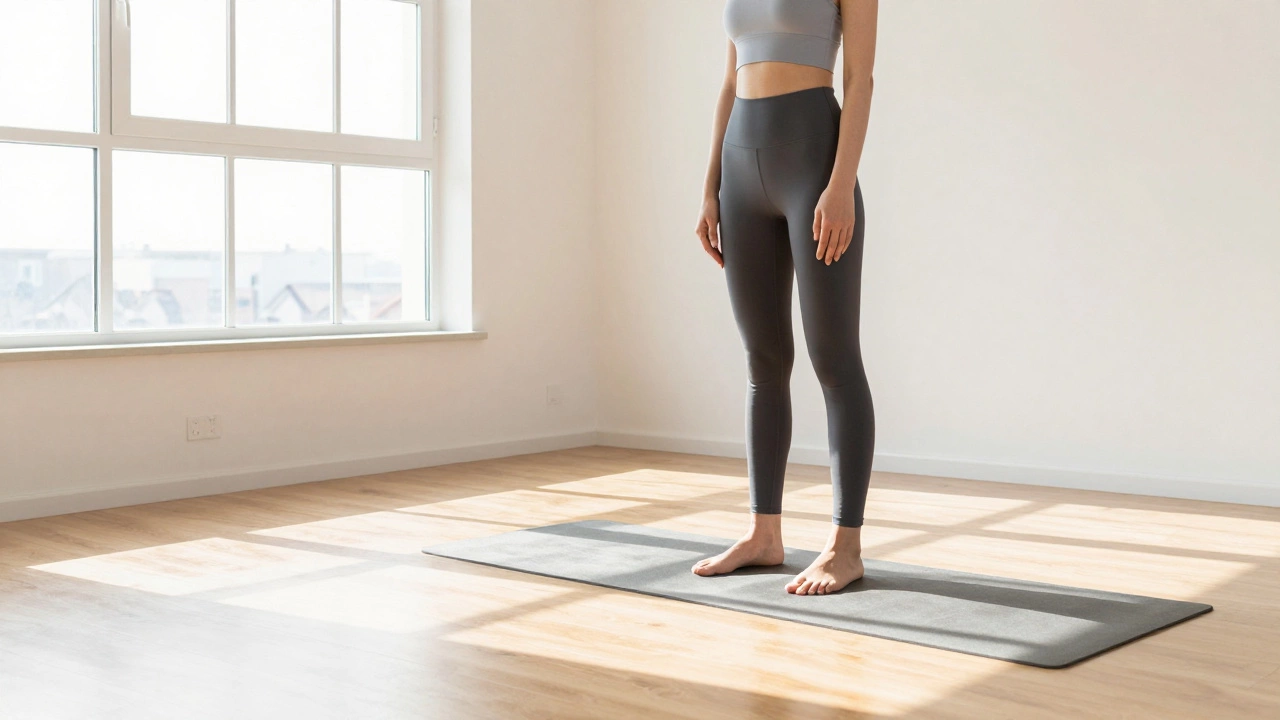
Before you do a single squat, you need to prepare your environment. Most beginners fail because they try to work out in a chaotic space or at an inconsistent time. Pick a corner of your bedroom, living room, or even a hallway. It does not need to be large-just big enough to stretch out your arms fully. Place a yoga mat there. When you step onto that mat, you are entering 'workout mode.' This psychological trigger helps separate exercise from relaxation.
Next, check your mindset. Are you trying to lose ten pounds in two weeks? If so, you are setting yourself up for failure. Sustainable results come from gradual progress. Aim for a goal like "I want to feel energetic during my workday" or "I want to be able to climb stairs without getting winded." These goals are controllable and measurable. Remember, the hardest part of working out at home is not the physical effort; it is overcoming the inertia of sitting down. Dressing in workout clothes before you start can help bridge that gap. Put on sneakers and a t-shirt. It sounds simple, but changing into gym attire signals to your brain that it is time to move.
Not all home workouts are created equal. Choosing the right style depends on your current fitness level and preferences. Here are the three most effective approaches for beginners:
A balanced approach often works best. Try mixing strength training with cardio. For instance, do strength exercises on Monday and Wednesday, and a brisk walk or light yoga on Friday. This variety prevents boredom and reduces the risk of overuse injuries.
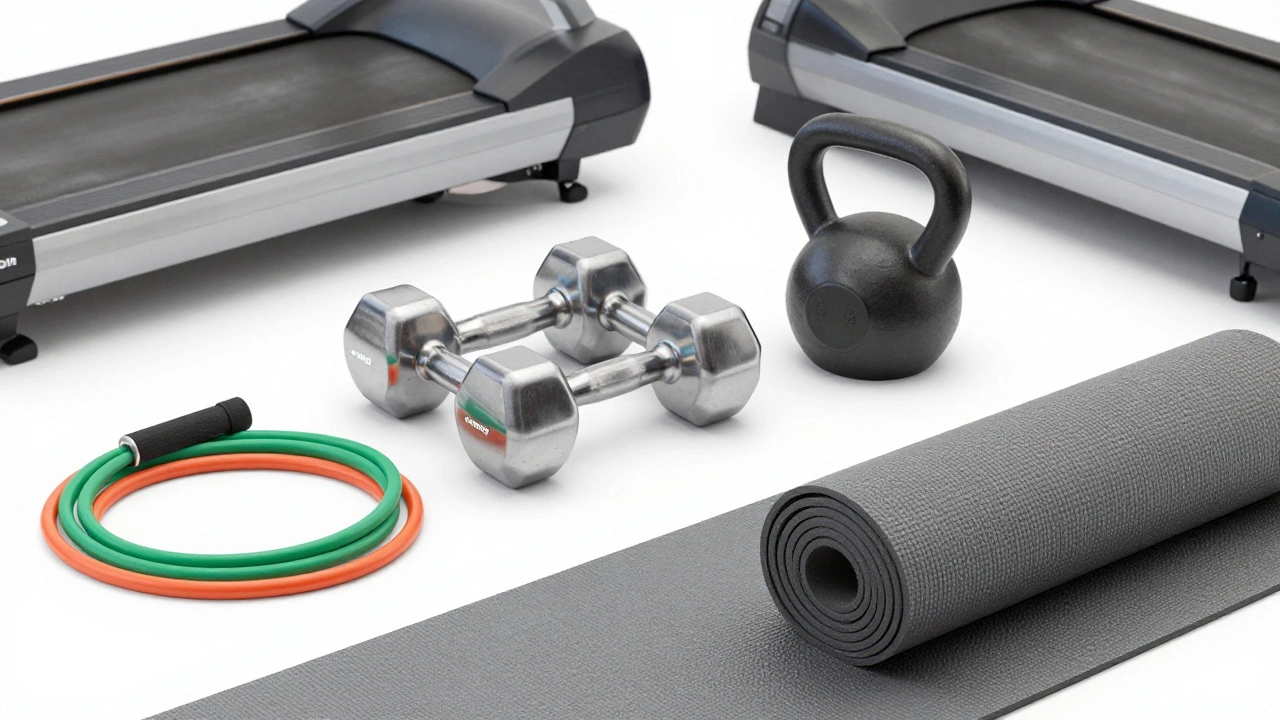
One of the biggest myths about home workouts is that you need a full gym. You do not. However, having a few key items can make your workouts safer and more effective. Here is a breakdown of what is worth the investment and what you can skip entirely.
| Item | Purpose | Verdict | Estimated Cost (2026) |
|---|---|---|---|
| Yoga Mat | Provides cushioning for floor exercises and grip for stability. | Essential | $20 - $40 |
| Resistance Bands | Adds variable resistance for strength training; portable and versatile. | Highly Recommended | $15 - $30 |
| Adjustable Dumbbells | Allows for progressive overload in strength training. | Recommended (after 3 months) | $100 - $200 |
| Kettlebell | Great for dynamic movements like swings and cleans. | Nice to Have | $30 - $50 |
| Treadmill | Cardio convenience. | Skip for now | $500+ |
| Pull-Up Bar | Upper body pulling strength. | Optional | $20 - $40 |
Start with a good quality yoga mat and a set of resistance bands. These two items cover 90% of beginner needs. Resistance bands are particularly underrated because they allow you to adjust difficulty easily. As you get stronger, consider adding adjustable dumbbells. They save space compared to buying multiple fixed weights. Avoid buying large machines like treadmills or ellipticals until you have proven you can stick to a routine for at least six months. Most of these machines end up as expensive coat racks.
Structure is the enemy of chaos. Without a plan, it is easy to wing it and burn out. Here is a simple four-week starter plan designed for someone with no prior experience. Perform this routine three days a week, with at least one rest day between sessions.
Warm-up (5 minutes): Always start with movement to lubricate your joints. Do arm circles, leg swings, and marching in place. Never jump straight into heavy lifting or high-intensity cardio.
Main Workout (20-30 minutes): Perform each exercise for 45 seconds, followed by 15 seconds of rest. Complete three rounds of the following circuit:
Cool-down (5 minutes): Stretch the muscles you used. Hold each stretch for 30 seconds without bouncing. Focus on your hamstrings, quads, and chest. Deep breathing helps lower your heart rate and signals recovery.
As you progress, increase the duration of each exercise or add a fourth round. After four weeks, you can introduce resistance bands to make the movements harder. Progressive overload-the gradual increase of demand placed on the body-is the key to continuous improvement.
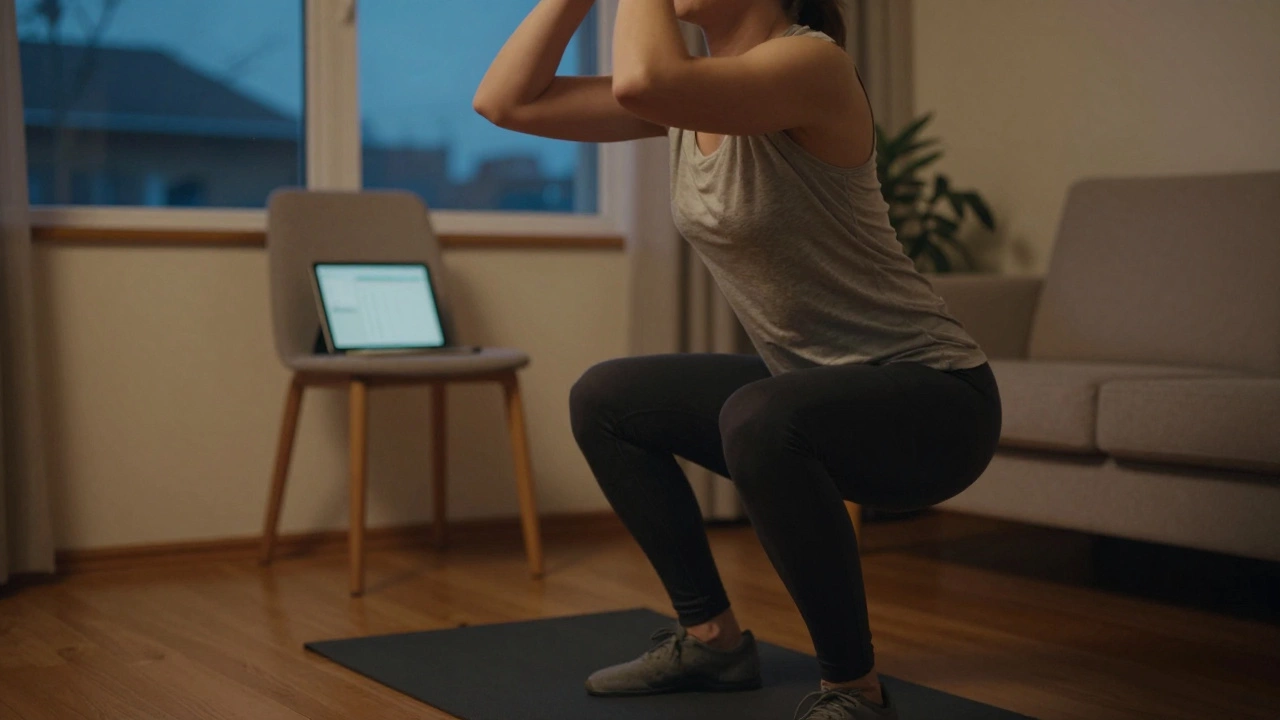
The biggest challenge of home workouts is accountability. At a gym, you pay for presence, so you show up. At home, the temptation to scroll on your phone is real. Here are practical strategies to stay consistent:
Schedule it like a meeting. Block out time in your calendar for your workout. Treat it as non-negotiable. If you would not reschedule a doctor's appointment, do not reschedule your workout.
Track your progress. Use a simple notebook or a free app to log your workouts. Seeing a streak of completed days is motivating. Note how you feel after each session. Often, the mental boost is the most immediate reward.
Join online communities. Many fitness apps have social features where you can share achievements. Even joining a Reddit community or a Facebook group for home workouts can provide support. Knowing others are struggling with the same hurdles keeps you grounded.
Listen to your body. Rest is part of training. If you are sore, take an active recovery day with gentle walking or stretching. Overtraining leads to injury, which stops you from working out entirely. Quality matters more than quantity.
You cannot out-train a bad diet. While this article focuses on exercise, nutrition plays a crucial role in your results. Aim for balanced meals with protein, healthy fats, and complex carbohydrates. Protein helps repair muscle tissue damaged during workouts. Sources include chicken, fish, beans, lentils, tofu, and Greek yogurt. Hydration is equally important. Drink water throughout the day, especially before and after your workout.
Sleep is when your body recovers and grows stronger. Aim for seven to nine hours of quality sleep per night. Poor sleep increases cortisol levels, which can lead to fat storage and reduced motivation. Make your bedroom dark, cool, and screen-free to improve sleep quality.
Most people notice changes in energy levels and mood within the first two weeks. Visible physical changes, such as improved muscle tone or weight loss, typically appear after four to eight weeks of consistent training. Remember, progress is not linear. Some weeks you will feel stronger, others you will feel tired. Trust the process.
No. Bodyweight exercises are highly effective for beginners. A yoga mat and resistance bands are sufficient for most routines. Invest in heavier weights or machines only after you have mastered basic movements and need more resistance to continue progressing.
Yes, but diet plays a larger role in weight loss than exercise alone. Home workouts create a calorie deficit and build muscle, which boosts metabolism. Combine your workouts with mindful eating and adequate hydration for best results.
Space is rarely an issue for home workouts. Most exercises require less than six square feet. Resistance bands and bodyweight moves are ideal for small spaces. Just ensure you have enough clearance to move safely without hitting furniture.
Yes, as long as you prioritize proper form over weight or speed. Start with lighter resistance and focus on technique. Use mirrors or record yourself to check your form. If you experience sharp pain, stop immediately. Consult a healthcare provider before starting if you have pre-existing conditions.