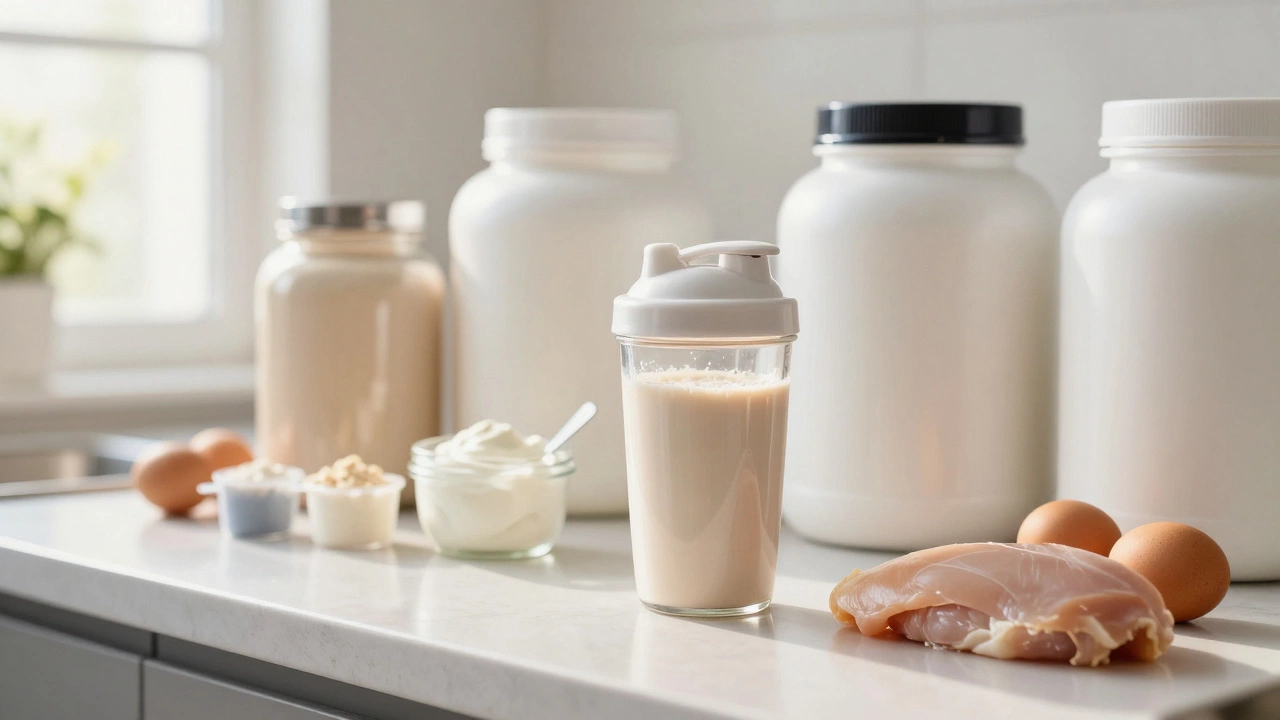
Why this works: Whey is rich in leucine, triggering muscle protein synthesis while you are in a calorie deficit. It has a high thermic effect, meaning your body burns more calories digesting it compared to fats or carbs.
That stubborn layer of fat around your midsection is the last thing most people want to see in the mirror. You’ve probably heard the advice: "eat more protein." But with shelves stocked with whey isolate, casein, pea, rice, and collagen blends, picking the right one feels like guessing. The truth is, no single protein magically dissolves belly fat. However, certain types support fat loss better than others by keeping you full, preserving muscle, and stabilizing blood sugar.
If you’re looking for the most effective protein for reducing visceral fat (the deep belly fat linked to health risks), whey protein consistently ranks at the top due to its rapid absorption and high leucine content. That said, your overall calorie balance and lifestyle habits matter far more than the brand on the tub. Let’s break down which proteins actually work, how they help burn fat, and how to use them effectively without wasting money.
To understand why protein helps with belly fat, we need to look at three main mechanisms: thermogenesis, satiety, and muscle preservation. When you eat protein, your body uses more energy to digest it compared to fats or carbs. This is called the thermic effect of food (TEF). Protein has a TEF of about 20-30%, meaning if you consume 100 calories of protein, your body only nets 70-80 calories because it burns the rest during digestion. Fats and carbs have much lower TEFs, around 0-3% and 5-10% respectively.
Belly fat, specifically visceral fat, is highly responsive to insulin levels. High-carb diets can spike insulin, which promotes fat storage around the abdomen. Protein helps blunt these spikes. Furthermore, protein increases the production of peptide YY (PYY) and glucagon-like peptide 1 (GLP-1), hormones that signal fullness to your brain. If you feel fuller for longer, you naturally eat fewer calories later in the day. Finally, when you lose weight, you risk losing muscle along with fat. Losing muscle slows your metabolism. Adequate protein intake protects lean muscle mass, ensuring that the weight you lose comes from fat stores, not your hard-earned gains.
Whey protein is a fast-digesting protein derived from milk during the cheese-making process. It is widely considered the best option for fat loss, particularly for reducing belly fat. Why? Because of its amino acid profile. Whey is rich in leucine, an essential amino acid that triggers muscle protein synthesis. This means it helps build and repair muscle tissue efficiently, even while you are in a calorie deficit.
Studies have shown that whey protein is superior to other proteins in promoting satiety. In a study published in the American Journal of Clinical Nutrition, participants who consumed whey protein before a meal ate significantly fewer calories than those who consumed casein or soy. The rapid absorption rate of whey also leads to a quick spike in blood amino acids, which further stimulates fat oxidation (burning).
There are two main types of whey: concentrate and isolate. Whey protein concentrate contains slightly more lactose and fat but is cheaper. Whey protein isolate undergoes extra filtration to remove almost all lactose and fat, resulting in a purer protein product. For belly fat loss, isolate is often preferred because it has fewer extra calories and carbs, making it easier to track your daily intake accurately. If you are lactose intolerant, isolate is the safer choice to avoid bloating, which can mimic belly fat.
Casein protein is a slow-digesting milk protein that forms a gel in the stomach. While whey is great for post-workout recovery, casein shines when used as a bedtime supplement. Its slow release provides a steady stream of amino acids to your muscles over 6-8 hours. This prevents muscle breakdown overnight, which is crucial for maintaining metabolic rate.
For belly fat loss, casein offers excellent satiety. Because it sits in the stomach longer, it keeps you feeling full for extended periods. This can be particularly useful if you struggle with late-night snacking. Instead of reaching for a carb-heavy snack, a casein shake can curb hunger pangs until morning. Some research suggests that consuming casein before bed may increase resting energy expenditure slightly, though the effects are modest compared to whey.
However, casein is not ideal immediately after intense exercise because your muscles need rapid amino acid delivery. Use it strategically: whey post-workout, casein pre-bed. If you cannot tolerate dairy, look for plant-based alternatives that mimic this slow-release profile, such as blended pea and rice proteins, though they won’t match casein’s exact digestive kinetics.
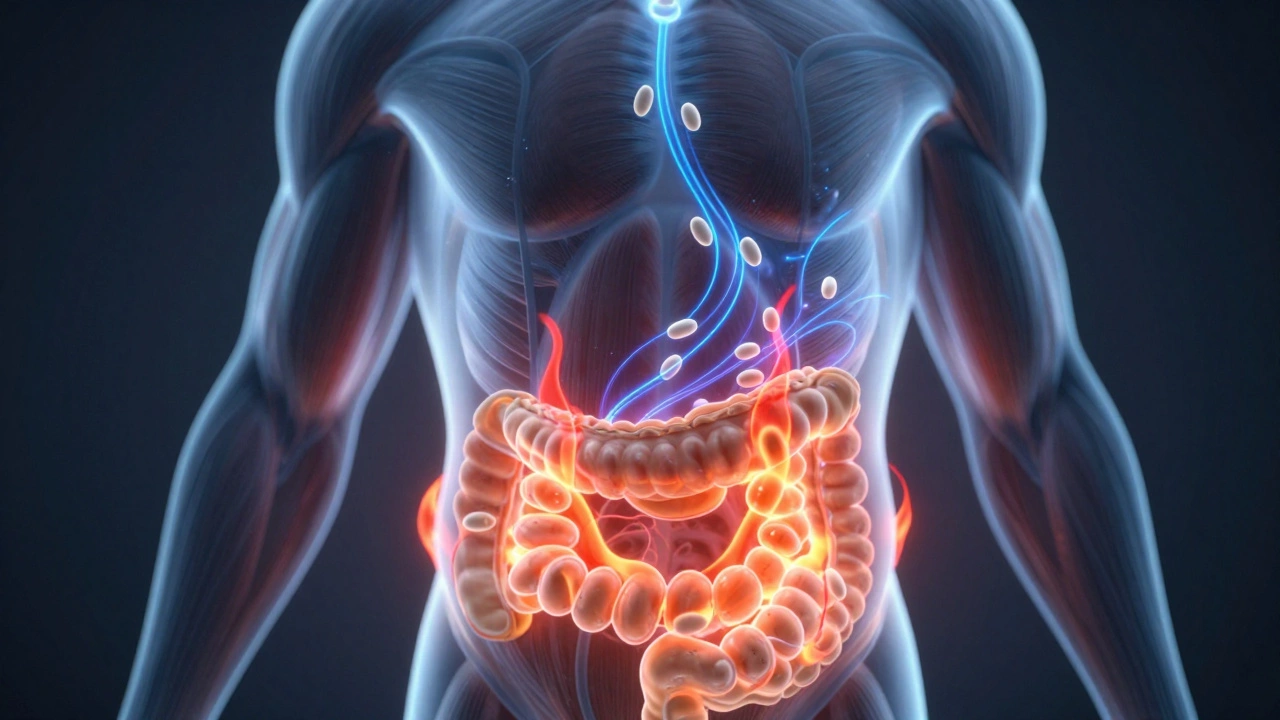
If you follow a vegan or vegetarian diet, or simply prefer to avoid animal products, plant-based proteins are viable options for belly fat loss. Pea protein is a popular vegan protein source derived from yellow split peas. It is high in branched-chain amino acids (BCAAs), including leucine, making it comparable to whey in terms of muscle-building potential. Studies show that pea protein can induce similar feelings of fullness as whey, helping reduce overall calorie intake.
Rice protein is another common option, but it is low in lysine, an essential amino acid. To get a complete amino acid profile, many brands blend pea and rice protein. This combination creates a "complete" protein that rivals whey in quality. Hemp protein is less refined and contains more fiber and healthy fats. While it has a lower protein concentration per scoop, the added fiber aids digestion and promotes gut health, which is increasingly linked to weight management and reduced visceral fat.
One drawback of plant proteins is their digestibility. They may cause more bloating or gas in some individuals, especially if you aren’t used to high-fiber diets. Start with smaller servings and gradually increase to allow your gut microbiome to adjust. Always check the label for added sugars or fillers, which can undermine your fat-loss efforts.
Collagen protein is a structural protein found in skin, bones, and connective tissues. Collagen has gained popularity for joint health and skin elasticity, but it is not a complete protein. It lacks tryptophan, an essential amino acid, and has very low levels of other key BCAAs. Therefore, it should not be relied upon as your primary protein source for muscle maintenance or significant fat loss.
That said, collagen can still play a role in your weight-loss journey. It may help improve satiety slightly, and some studies suggest it could support the health of adipose tissue (fat cells). However, if your goal is specifically belly fat reduction through muscle preservation and high thermogenesis, whey, casein, or blended plant proteins are far more effective. Use collagen as a supplement for joint and skin health, not as a replacement for your main protein shakes.

Knowing which protein to buy is only half the battle. You also need to know how much to consume. General guidelines suggest 0.8 grams of protein per kilogram of body weight for sedentary adults. However, for fat loss, you need more. Aim for 1.6 to 2.2 grams of protein per kilogram of body weight daily. This higher intake ensures muscle preservation and maximizes the thermic effect of food.
For example, if you weigh 70 kg (154 lbs), you should aim for 112 to 154 grams of protein per day. Spreading this out across 3-4 meals or snacks helps maintain steady amino acid levels in your blood. Using protein shakes can make hitting these targets easier, especially if you struggle to eat enough whole foods. Just remember that supplements are meant to *supplement* your diet, not replace it. Whole foods like chicken, fish, eggs, legumes, and Greek yogurt provide additional nutrients like vitamins, minerals, and healthy fats that powders lack.
| Protein Type | Digestion Speed | Satiety Level | Best Time to Take | Ideal For |
|---|---|---|---|---|
| Whey Isolate | Fast | High | Post-Workout | Rapid muscle repair, fat oxidation |
| Casein | Slow | Very High | Before Bed | Overnight muscle protection, curbing night cravings |
| Pea/Rice Blend | Moderate | High | Anytime | Vegans, lactose-intolerant individuals |
| Collagen | Moderate | Moderate | Morning or Pre-Workout | Joint/skin health, not primary muscle fuel |
Not all protein powders are created equal. Many commercial brands add hidden sugars, artificial sweeteners, thickeners, and fillers that can spike insulin and hinder fat loss. Always read the nutrition label carefully. Look for products with minimal ingredients. A good whey isolate should list "whey protein isolate" as the first and often only ingredient. Avoid blends with maltodextrin, a cheap carb filler that raises blood sugar quickly.
Artificial sweeteners like sucralose and aspartame are generally safe, but some people find they trigger cravings for sweets. If you notice increased sugar cravings after drinking a flavored shake, switch to unflavored or naturally sweetened versions (e.g., stevia or monk fruit). Additionally, beware of proprietary blends that don’t disclose the exact amount of each protein source. Transparency is key to ensuring you’re getting the promised dose of protein without unnecessary extras.
Protein alone won’t melt away belly fat if you’re eating in a calorie surplus. To see results, combine high-protein intake with a slight calorie deficit. Aim for a deficit of 300-500 calories per day, which typically leads to a safe weight loss of 0.5-1 kg per week. Pair this with resistance training. Strength training signals your body to hold onto muscle while burning fat. Cardio, especially high-intensity interval training (HIIT), can also boost fat oxidation, but protein and strength training are the foundation.
Sleep and stress management are equally critical. Poor sleep increases cortisol, a hormone that promotes fat storage in the abdominal area. Chronic stress does the same. Prioritize 7-9 hours of quality sleep and practice stress-reduction techniques like meditation or walking. These lifestyle factors amplify the benefits of your high-protein diet.
No, you cannot spot-reduce fat from specific areas like the belly just by drinking protein shakes. Fat loss occurs systemically. However, protein shakes can help create a calorie deficit by keeping you full and preserving muscle, which indirectly leads to overall fat loss, including in the abdominal region.
Whey protein is generally more effective due to its higher biological value and faster absorption, which supports greater muscle protein synthesis and thermogenesis. However, high-quality plant protein blends (like pea and rice) can be nearly as effective if consumed in sufficient quantities. The best protein is the one you can consistently include in your diet.
Timing matters less than total daily intake, but strategic timing can help. Take whey protein within 30-60 minutes post-workout to aid recovery and maximize muscle retention. Take casein protein before bed to prevent muscle breakdown overnight and curb late-night hunger. Distributing protein evenly across meals also optimizes muscle protein synthesis throughout the day.
Aim for 1.6 to 2.2 grams of protein per kilogram of body weight daily. For a 70 kg person, this means 112 to 154 grams of protein. This range helps preserve muscle mass during a calorie deficit, boosts metabolism via the thermic effect of food, and enhances satiety, making it easier to stick to your diet.