
Enter your details to see if you meet the recommended 150 minutes of moderate or 75 minutes of vigorous activity per week.
Here is the short answer that keeps people up at night: you do not need to run until your lungs burn to stay healthy. In fact, doing too much might actually hurt your progress. The question "how much cardio is enough" doesn't have a single number because it depends entirely on what you are trying to achieve. Are you trying to lower your blood pressure? Lose stubborn belly fat? Or just feel less tired during work hours?
The World Health Organization (WHO) and the American Heart Association (AHA) have clear baselines, but they often leave out the nuance of daily life. For most adults, the sweet spot lies between 150 minutes of moderate activity or 75 minutes of vigorous activity per week. That breaks down to roughly 20 to 30 minutes a day if you exercise five days a week. But let’s dig deeper into what that actually looks like in real life, not just on paper.
When we talk about cardiovascular exercise, also known as aerobic exercise, we mean any rhythmic movement that uses large muscle groups and increases your heart rate for a sustained period. This includes brisk walking, cycling, swimming, and jogging. The goal is to get your heart pumping oxygen-rich blood to your muscles efficiently.
The standard recommendation from major health bodies like the CDC and WHO is:
You can mix these. Thirty minutes of running counts as roughly sixty minutes of brisk walking. If you are new to this, start with ten-minute chunks. Research shows that breaking exercise into smaller sessions throughout the day provides similar health benefits to one long session. So, three ten-minute walks are just as good for your heart as one thirty-minute walk.
If your main goal is weight loss, you might be tempted to think more cardio equals faster results. This is a common trap. While cardio burns calories while you do it, it does not significantly boost your metabolism afterward like strength training does.
Consider this: a 30-minute jog might burn 300 calories. It takes less than five minutes to eat those back with a handful of nuts or a sugary coffee. Instead of obsessing over duration, focus on intensity and consistency. High-Intensity Interval Training (HIIT) has gained popularity because it burns more calories in less time. A typical HIIT session involves short bursts of maximum effort followed by rest periods. For example, sprint for 30 seconds, then walk for 60 seconds. Repeat for 15 minutes. This type of workout creates an "afterburn effect" called Excess Post-exercise Oxygen Consumption (EPOC), where your body continues to burn calories for hours after you finish.
However, do not rely solely on cardio for fat loss. Nutrition plays a far larger role. You cannot outrun a bad diet. Combine moderate daily cardio with a slight calorie deficit and resistance training for the best body composition changes.
Is there such a thing as too much cardio? Yes. Overtraining syndrome is real. If you are running marathons every weekend and doing hour-long spin classes daily without rest, you risk injury, burnout, and even heart issues. Studies have shown that extreme endurance athletes sometimes develop atrial fibrillation, a type of irregular heartbeat.
Signs you are doing too much include:
Your body needs recovery time to repair muscle fibers and adapt to stress. Aim for at least one or two full rest days per week. On active recovery days, stick to gentle activities like yoga or slow walking. Listen to your body. Pain is not always gain; sometimes it's a warning signal.
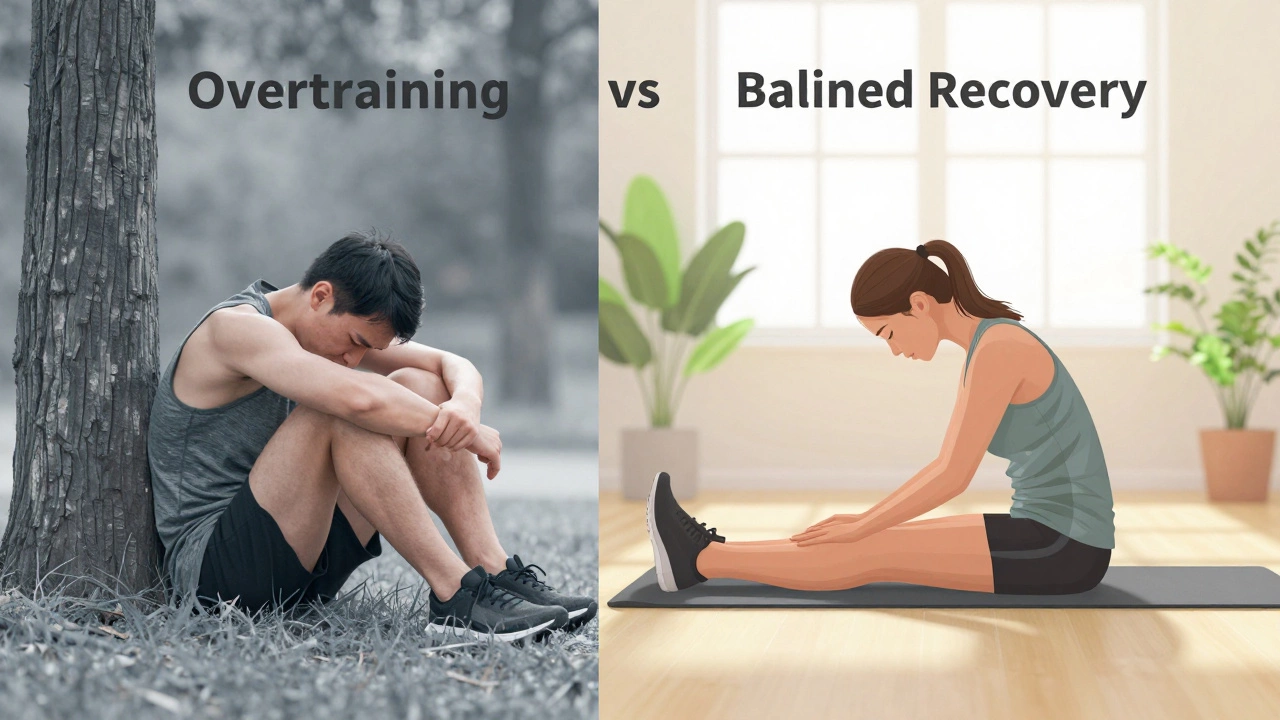
Not all cardio is created equal. Different types impact your body differently. Choosing the right one depends on your fitness level, joint health, and personal preference.
| Type | Intensity | Best For | Risk Level |
|---|---|---|---|
| Brisk Walking | Low to Moderate | Beginners, Joint Health | Very Low |
| Running/Jogging | Moderate to High | Endurance, Bone Density | Medium (Joint Stress) |
| Cycling | Moderate | Leg Strength, Low Impact | Low |
| Swimming | Moderate to High | Full Body, Rehabilitation | Very Low |
| HIIT | Very High | Fat Loss, Time Efficiency | High (Form Dependent) |
If you have knee problems, avoid high-impact activities like jumping jacks or running on concrete. Opt for swimming or cycling instead. If you are short on time, HIIT is your best friend. If you want to reduce stress and improve longevity, steady-state low-intensity cardio like walking in nature is incredibly effective.
You don't need a gym membership to get enough cardio. The key is Non-Exercise Activity Thermogenesis (NEAT). This refers to the calories you burn through daily movements that aren't structured workouts. Taking the stairs instead of the elevator, parking further away from the store, or doing household chores vigorously all count toward your daily movement goals.
Try these practical tips to hit your targets without feeling overwhelmed:
Consistency beats intensity. Doing 20 minutes of cardio six days a week is better than doing two hours once a week. Build a habit that sticks. Pair your cardio with something you enjoy, like listening to podcasts or audiobooks, so you look forward to it rather than dread it.

As we age, our cardiovascular system changes. Older adults may need to focus more on balance and flexibility alongside cardio. Tai Chi is an excellent option for seniors, combining gentle movement with mindfulness. For those with chronic conditions like hypertension or diabetes, regular cardio can be therapeutic. However, always consult a doctor before starting a new routine if you have existing health issues.
Pregnant women should aim for 150 minutes of moderate-intensity exercise per week, avoiding contact sports or activities with a high risk of falling. Postpartum recovery requires patience; start with pelvic floor exercises and short walks before returning to intense cardio.
How do you know if you're doing enough? Pay attention to how you feel. Do you have more energy? Are you sleeping better? Is your resting heart rate decreasing? These are signs of improved cardiovascular fitness. You can also use wearable technology to track your heart rate zones. Aim to spend most of your workout time in Zone 2 (60-70% of max heart rate) for fat burning and endurance, with occasional spikes into Zone 4 or 5 for intensity.
Remember, the best amount of cardio is the amount you can sustain long-term. Don't compare yourself to others. Focus on your own journey and celebrate small victories. Whether it's walking 10,000 steps a day or completing a 5K run, every step counts.
Yes, for general health maintenance, 30 minutes of moderate-intensity cardio daily meets the WHO's weekly recommendation of 150 minutes. However, for significant weight loss or athletic performance, you may need to increase duration or intensity.
You can, but it's not recommended to do high-intensity cardio every day. Your body needs rest to recover. Mix intense days with low-intensity active recovery days like walking or yoga to prevent overtraining and injury.
The best time is whenever you can consistently fit it in. Some studies suggest morning cardio may help with fat burning due to fasting states, while evening workouts might align better with peak body temperature and strength. Consistency matters more than timing.
Yes, brisk walking is a form of moderate-intensity cardio. To qualify, you should be able to talk but not sing. Leisurely strolling may not raise your heart rate enough to provide significant cardiovascular benefits.
Most people notice improvements in energy levels and sleep within 2-4 weeks. Visible changes in body composition or endurance typically take 8-12 weeks of consistent exercise combined with proper nutrition.
Neither is strictly "better." Cardio burns calories during the activity, while strength training builds muscle which boosts your resting metabolic rate. A combination of both yields the best long-term weight management results.
Ten minutes alone is unlikely to create a significant calorie deficit for weight loss. However, if paired with a calorie-controlled diet and increased daily movement (NEAT), it can contribute to gradual weight loss over time.
Fitness gains can decline relatively quickly. VO2 max (a measure of cardiovascular fitness) can drop by 10-20% within a few weeks of inactivity. Maintaining some level of daily movement helps preserve health benefits.