Select your current daily drink habit and see how switching to recommended fat-burning beverages can save calories and support metabolism.
Choose a healthier alternative based on science-backed benefits:
*Based on 3,500 calories = 1 lb of fat. Individual results vary based on total diet and activity levels.
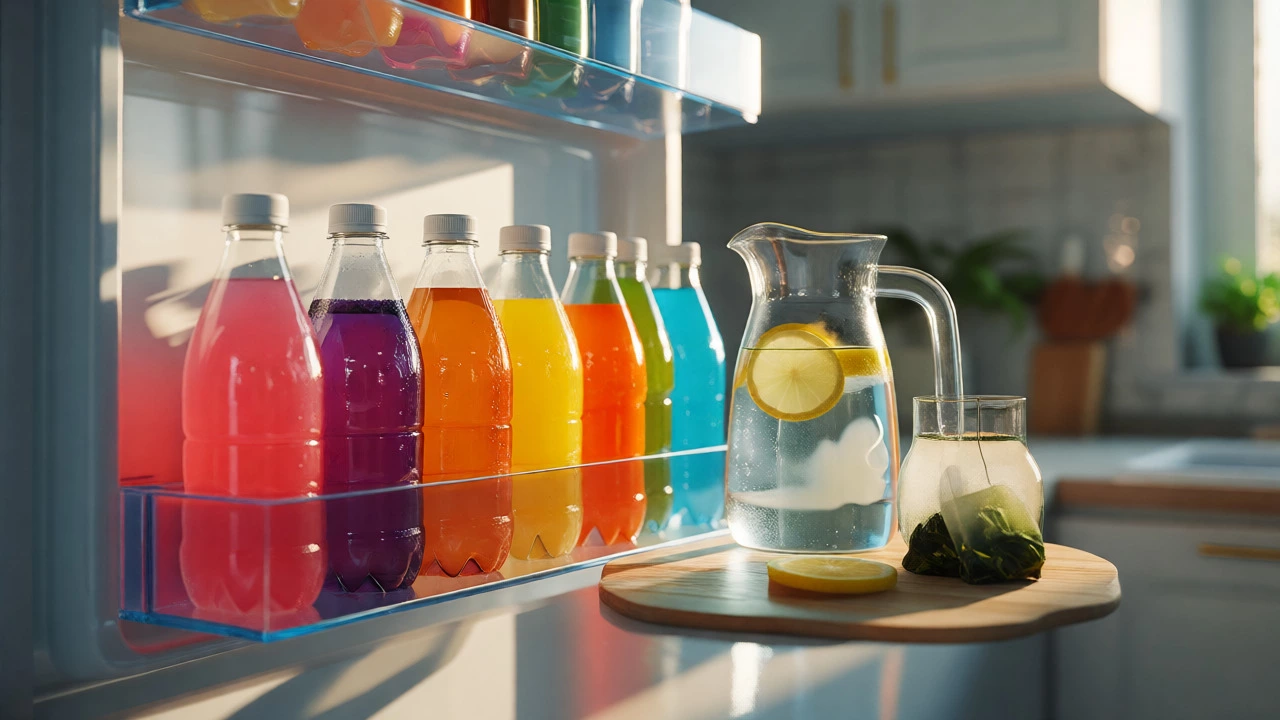
You’re standing in front of the fridge, staring at a row of colorful bottles. One promises to melt fat overnight. Another claims to be the secret weapon of supermodels. You grab one, drink it down, and wait for the magic. But does anything actually happen? Or is it just expensive urine?
The truth about fat burning drinks isn’t that they are magic potions. They don’t dissolve fat cells like acid dissolves metal. Instead, the right beverages help you create the conditions where your body prefers using stored energy. They curb appetite, stabilize blood sugar, or slightly nudge your metabolic rate upward. The wrong ones? They add empty calories that undo hours on the treadmill.
If you’re trying to lose weight, what you drink matters almost as much as what you eat. Liquid calories are sneaky. You don’t feel full from them the way you do from solid food. So, let’s cut through the marketing noise and look at what actually works, based on physiology and common sense.
First, let’s manage expectations. No beverage will burn fat if you’re eating more calories than you burn. A cup of green tea won’t offset a double cheeseburger. However, certain drinks can support your efforts by influencing hormones, digestion, and energy expenditure.
Think of these drinks as tools, not solutions. If you’re dehydrated, your liver has less capacity to metabolize fat because it’s busy helping the kidneys with water balance. If your insulin spikes every time you sip a soda, your body stays in storage mode rather than release mode. Choosing the right liquids helps shift the biochemical environment toward fat utilization.
It sounds too simple to be true, but plain water is arguably the most effective fat-loss tool available. It has zero calories, and drinking it can temporarily increase your resting energy expenditure.
A study published in the Journal of Clinical Endocrinology & Metabolism found that drinking 500 ml of water increased metabolic rate by up to 30% in both men and women. This effect lasted for about an hour. That might sound small, but over a day, consistent hydration adds up. More importantly, thirst is often mistaken for hunger. Many people snack when they’re actually just thirsty.
In Perth, where the heat can be intense, staying hydrated is non-negotiable. Dehydration slows down physical performance, making workouts less effective. If you’re sweating heavily, ensure you’re replenishing electrolytes without loading up on sugar-laden sports drinks.
If there’s one drink with scientific backing for fat loss, it’s green tea. It contains two key compounds: caffeine and catechins, specifically epigallocatechin gallate (EGCG). These work together to enhance fat oxidation.
Caffeine stimulates the central nervous system, telling fat cells to break down fat. EGCG inhibits an enzyme that breaks down norepinephrine, a hormone that signals fat breakdown. When this enzyme is inhibited, norepinephrine levels rise, boosting the signal to burn fat.
Research suggests that green tea extract can increase fat burning by 17%, particularly during exercise. But note the word “extract.” To get significant effects, you’d need to drink several cups a day. For most people, three to four cups of brewed green tea provide a mild but real benefit.
| Drink | Key Active Compound | Primary Benefit | Calories (per 8oz) |
|---|---|---|---|
| Water | H₂O | Hydration, satiety, slight metabolic boost | 0 |
| Green Tea | Catechins (EGCG), Caffeine | Enhanced fat oxidation, antioxidant support | ~2 |
| Coffee | Caffeine | Appetite suppression, energy expenditure | ~2 (black) |
| Apple Cider Vinegar | Acetic Acid | Blood sugar regulation, reduced bloating | ~3 (diluted) |
| Protein Shake | Whey/Plant Protein | Muscle preservation, high satiety | 100-150 |

Coffee gets a bad rap for being unhealthy, but black coffee is a powerful ally in weight management. Caffeine is one of the few natural substances proven to aid fat burning. Studies show it can boost metabolic rate by 3-11%.
Why does this matter? Because a higher metabolic rate means you burn more calories at rest. Coffee also suppresses appetite for some people. If you skip your mid-morning biscuit because you had a strong espresso, that’s a win.
However, there’s a catch. Adding cream, sugar, or flavored syrups turns a fat-burning tool into a calorie bomb. A large latte can easily contain 200-300 calories-equivalent to a small meal. Stick to black coffee or use a splash of unsweetened almond milk. If you’re sensitive to caffeine, avoid it after 2 PM to protect your sleep quality. Poor sleep disrupts hunger hormones like ghrelin and leptin, leading to overeating the next day.
Apple cider vinegar (ACV) has gained massive popularity, especially in wellness circles. The active component is acetic acid. Research indicates that acetic acid can reduce blood sugar responses after meals and decrease insulin secretion.
When insulin levels are lower, your body is less likely to store incoming calories as fat. Some studies suggest that taking 1-2 tablespoons of ACV diluted in water daily can lead to modest reductions in belly fat and triglycerides.
How to take it? Don’t drink it straight; it can erode tooth enamel and irritate the throat. Mix one tablespoon in a tall glass of water. Add a squeeze of lemon for taste if needed. Drink it before meals to help blunt the glucose spike from carbohydrates.
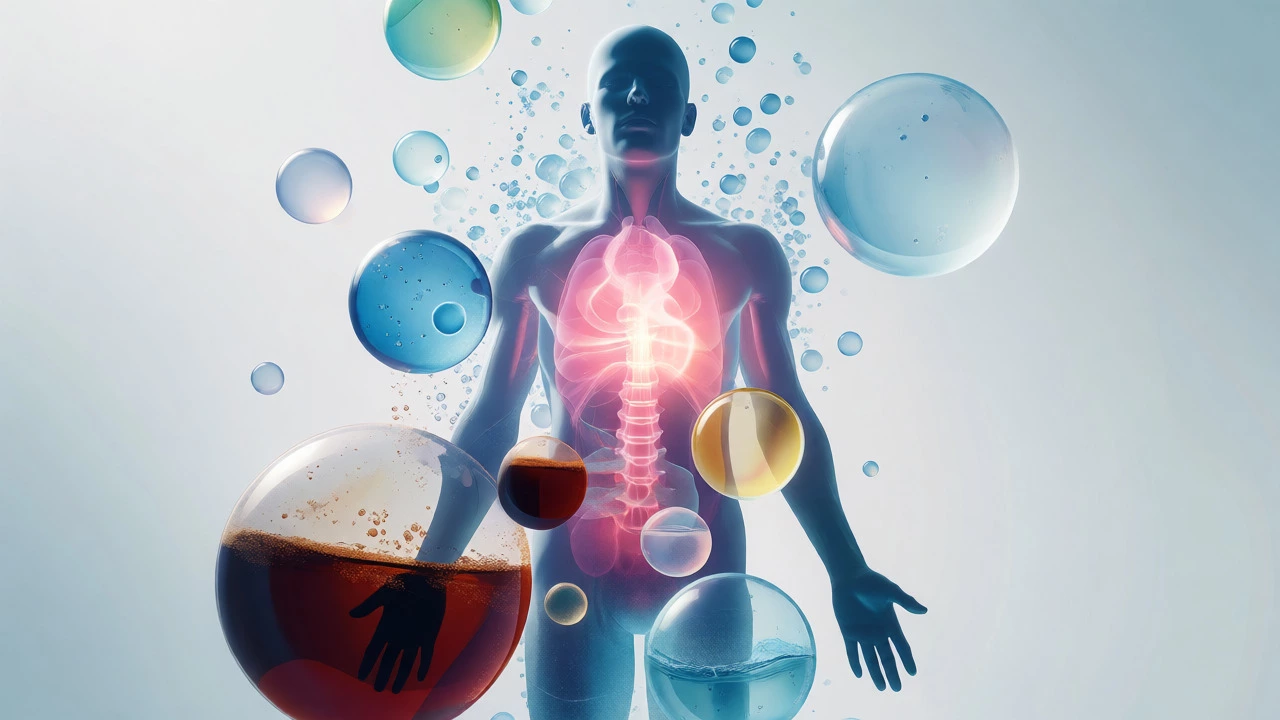
While not traditionally called a “fat burner,” protein shakes play a crucial role in fat loss diets. Protein has a high thermic effect of food (TEF), meaning your body burns more calories digesting protein than fats or carbs. It also preserves lean muscle mass during a calorie deficit.
Muscle tissue is metabolically active. The more muscle you have, the more calories you burn at rest. If you cut calories without adequate protein, you risk losing muscle along with fat, which slows your metabolism long-term.
Choose a low-sugar whey or plant-based protein powder. Avoid “mass gainers” loaded with fillers. Use them strategically: as a post-workout recovery drink or a quick breakfast replacement. Ensure you’re still getting whole foods throughout the day, but a shake can help control evening snacking cravings.
Knowing what to drink is half the battle. Knowing what to stop drinking is equally important. Here are the common culprits that stall progress:
Don’t try to overhaul your entire beverage routine overnight. Start with one swap. If you drink three coffees with sugar and cream daily, switch one to black. See how you feel. Next week, replace your afternoon soda with sparkling water and lime.
Listen to your body. Some people thrive on intermittent fasting with black coffee in the morning. Others find that sipping green tea throughout the day keeps their energy stable. There is no one-size-fits-all approach. The best drink is the one you enjoy enough to stick with consistently.
Remember, consistency beats intensity. Drinking water all day, every day, yields better results than occasionally chugging a trendy detox tea. Focus on hydration, minimize liquid calories, and choose options that support your metabolic health.
Lemon water itself doesn't directly burn fat more effectively than plain water. However, it encourages hydration and can act as a gentle digestive aid. The primary benefit comes from replacing high-calorie beverages with lemon water, thereby reducing overall calorie intake.
Yes, black coffee is generally allowed during most forms of intermittent fasting because it contains negligible calories. It may even help suppress appetite during fasting windows. However, adding milk, cream, or sugar breaks the fast.
Most studies suggest 1-2 tablespoons (15-30 ml) of apple cider vinegar mixed in a large glass of water daily. It's best to start with a smaller amount to assess tolerance and always dilute it to protect tooth enamel and the esophagus.
Most detox teas act as mild laxatives or diuretics. They may cause temporary weight loss due to water loss or bowel movement, but they do not significantly impact fat stores. Long-term reliance can lead to dehydration and electrolyte imbalance.
Plain sparkling water is excellent for weight loss as it hydrates without calories. However, avoid varieties with added sugars or artificial sweeteners if you're sensitive to them. Carbonation may cause bloating in some individuals, which can be uncomfortable but doesn't hinder fat loss.