Not sure when to roll out your mat? Answer these 4 questions based on the article's science to find out if you are a Morning Mover or an Evening Wind-Downer.
Description goes here.
Recommended Styles:
Top Benefits For You:
Your Match Score
You roll out your mat, take a deep breath, and then hit pause. The clock is ticking. Do you practice now, while the sun is just peeking through the blinds? Or do you wait until the house is quiet and the day’s chaos has finally settled? It is one of the most common debates in the yoga community. There is no single right answer, but there is definitely a right answer for you. The timing of your practice changes what it does for your body and mind.
Choosing between morning and evening yoga isn't about picking a winner. It is about matching your schedule with your goals. If you want energy and focus, the morning wins. If you need stress relief and better sleep, the evening takes the crown. Let's break down exactly how each time slot affects your physiology so you can make an informed choice.
Practicing yoga first thing in the morning is like hitting the reset button on your nervous system. After eight hours of sleep, your joints are stiff, your muscles are tight, and your brain is still waking up. A gentle flow helps lubricate the joints and gets the blood pumping without the shock of high-intensity cardio.
The biggest benefit here is consistency. When you do yoga in the morning, nothing else gets in the way. No work emails, no family emergencies, no "I'm too tired" excuses. You get it done before life happens. This builds mental resilience. You start the day proving to yourself that you can keep a promise to yourself.
Physiologically, morning yoga boosts cortisol levels naturally. Cortisol gets a bad rap, but it is essential for waking up. A spike in the early hours helps you feel alert. Combined with movement, this creates a sustained energy release rather than the jitters from coffee. Many people find they need less caffeine when they start their day with twenty minutes of vinyasa or hatha yoga.
If your day feels like a marathon of meetings, screen time, and decision-making, your nervous system is likely stuck in "fight or flight" mode by the time you get home. Evening yoga serves a completely different purpose. It is not about building heat; it is about cooling down.
Your muscles hold onto stress. Think about how tight your shoulders are after staring at a laptop all day. Evening yoga physically releases that tension. By lengthening the hamstrings, opening the hips, and relaxing the spine, you signal to your brain that the day is over. This physical release translates into mental relaxation.
The impact on sleep quality is significant. Studies have shown that regular yoga practice improves sleep latency (how long it takes to fall asleep) and sleep efficiency (how much time you spend actually sleeping). A gentle session before bed lowers your heart rate and body temperature, mimicking the natural physiological drop that occurs as we prepare for sleep.
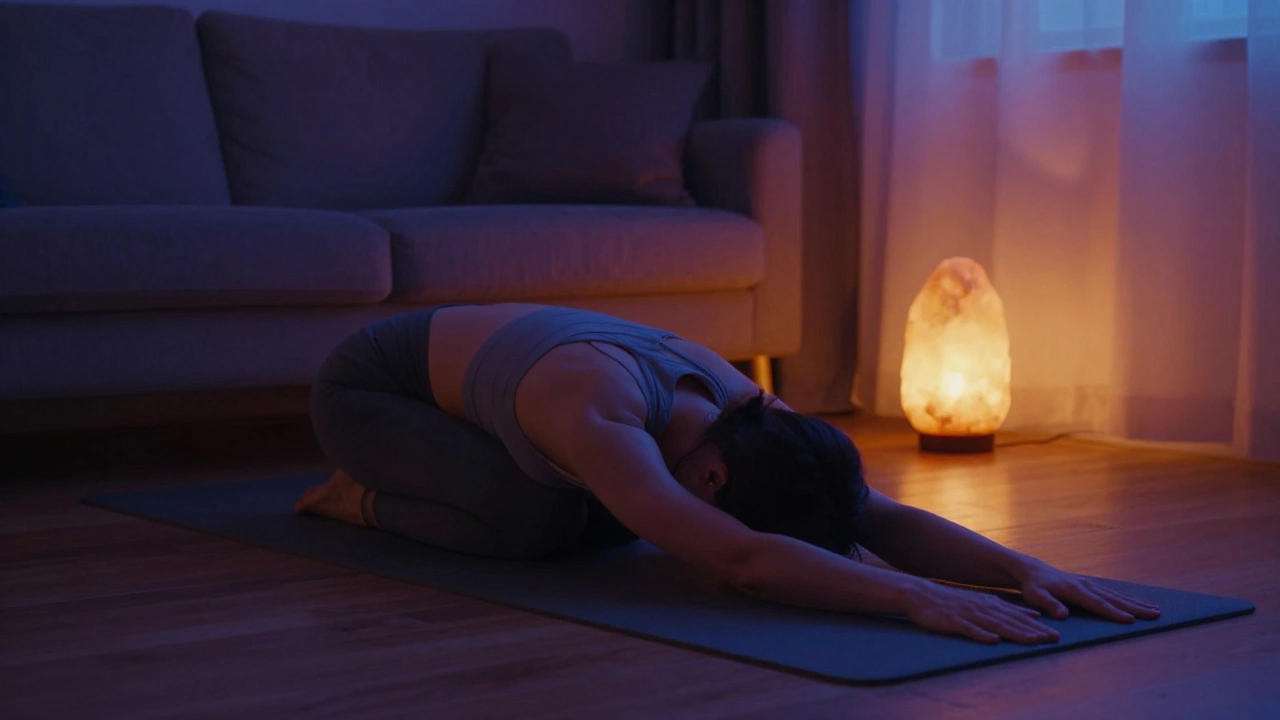
To decide which is better for you, you need to look at the specifics. The type of yoga you should do changes drastically depending on the time of day. Doing a power yoga class at 10 PM might leave you wide awake. Doing a restorative yin session at 6 AM might leave you feeling groggy.
| Feature | Morning Yoga | Evening Yoga |
|---|---|---|
| Primary Goal | Energize and Focus | Relax and Recover |
| Best Styles | Vinyasa, Ashtanga, Power Yoga | Yin, Restorative, Hatha, Gentle Flow |
| Nervous System | Sympathetic (Alertness) | Parasympathetic (Rest & Digest) |
| Flexibility | Lower (Body is stiff) | Higher (Body is warm from day) |
| Consistency Factor | High (Fewer distractions) | Medium (Fatigue/Social events) |
Notice the flexibility difference. In the morning, your fascia is tighter. You need to warm up slowly to avoid injury. In the evening, your body has been moving all day, so you may find you can go deeper into stretches. However, be careful not to overstretch when tired, as fatigue can reduce proprioception (your awareness of where your body is in space).
Let's get practical. Your ideal time depends on your daily rhythm and your primary health goal. Ask yourself these questions:
For students and professionals with rigid schedules, morning offers predictability. For parents or caregivers whose evenings are unpredictable, morning might be the only quiet window. Conversely, if your mornings are chaotic with kids getting ready for school, evening might be your sanctuary.
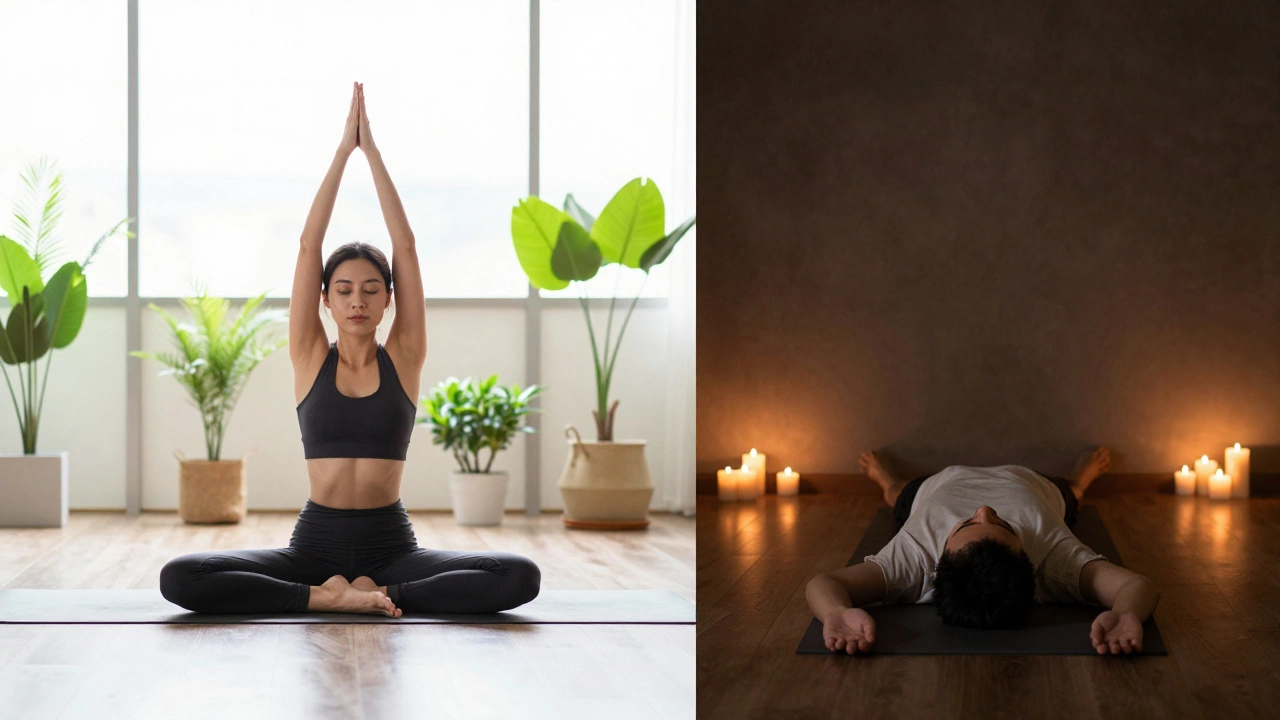
Regardless of when you choose, small adjustments can make a huge difference. Here is how to optimize both scenarios.
Absolutely. Many advanced practitioners split their practice. They might do a short, energizing sequence in the morning and a longer, restorative session at night. If you are new to yoga, however, pick one time and stick to it for at least three weeks. Consistency matters more than duration. Ten minutes every day is better than an hour once a week.
Ultimately, the best time to do yoga is the time you will actually do it. Listen to your body. Some days, you will need the fire of a morning vinyasa. Other days, you will crave the softness of an evening yin. Flexibility applies to your schedule as much as your hamstrings.
Morning yoga can support weight loss by boosting metabolism early in the day and helping regulate cortisol levels, which are linked to belly fat storage. However, weight loss is primarily driven by diet and overall calorie expenditure. Any consistent yoga practice, whether morning or night, contributes to mindfulness around eating habits, which indirectly aids weight management.
It is generally not recommended to do hot yoga right before bed. The intense heat raises your core body temperature, which can interfere with your ability to fall asleep. Your body needs to cool down to initiate sleep. If you prefer hot yoga, try to finish at least two to three hours before bedtime.
Most yoga styles are best practiced on an empty stomach. Eating a full meal before yoga can cause nausea or discomfort during twists and inversions. If you are very hungry, a small snack like a banana or a few crackers 30 minutes prior is acceptable, but ideally, wait to eat until after your practice.
Yes, particularly gentle or restorative yoga practiced in the evening. These styles activate the parasympathetic nervous system, lowering heart rate and blood pressure. Research indicates that consistent evening yoga can reduce symptoms of insomnia by promoting relaxation and improving sleep quality.
Your body temperature rises throughout the day due to movement and activity. Warmer muscles and connective tissues are more pliable and less prone to injury. In the morning, your body is cooler and stiffer from sleep, requiring a longer warm-up period to achieve similar flexibility.