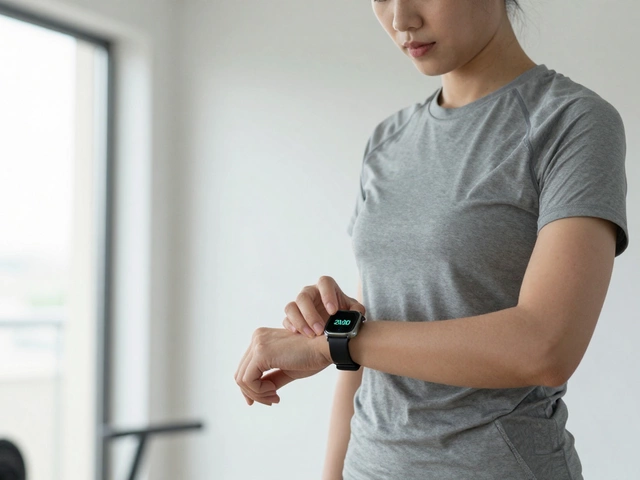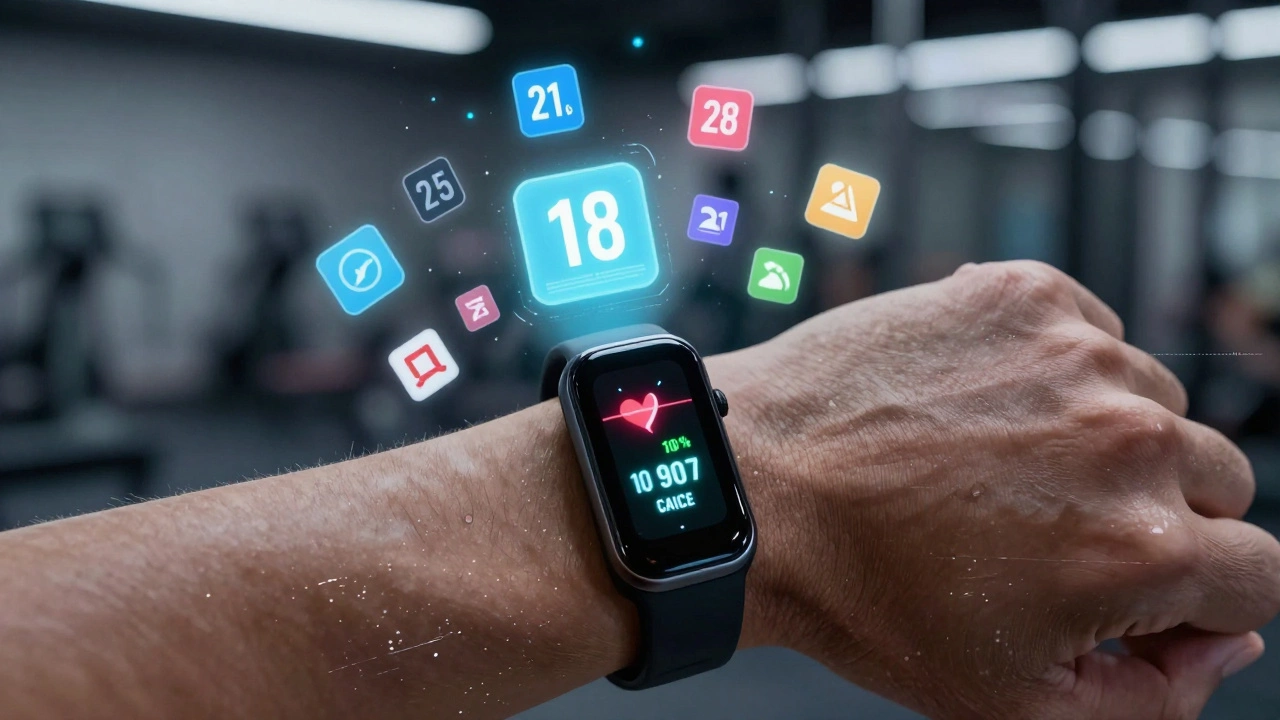
Your fitness tracker may overestimate calories burned by 15-20%. See how this impacts your diet and weight management.
0.0
0.0
Why this matters: If you eat based on your tracker's estimate, you're likely consuming more calories than you think. Over weeks, this can lead to weight gain without realizing it.
Remember: Fitness trackers are not medical devices. Their calorie counts can be inaccurate by 15-20% during exercise (Stanford University, 2023).
Most people think fitness trackers are harmless gadgets that help them stay active. But what if your wristband is quietly feeding your data to advertisers, misreading your heart rate, or pushing you to overtrain until you get hurt? These devices promise health-but they come with real, often overlooked risks.
Fitness trackers aren’t medical devices. They’re consumer electronics with sensors that guess your steps, calories burned, and heart rate. A 2023 study from Stanford found that popular wristbands like Fitbit and Garmin misread heart rates by an average of 15-20% during intense exercise. That’s not a small error-it’s the difference between thinking you’re in a fat-burning zone or dangerously overexerting yourself.
One user in Perth reported being told by her tracker that she burned 800 calories during a 30-minute run. She ate a recovery snack based on that number, only to realize later she’d actually burned closer to 450. Over weeks, that mismatch added up to a 3-pound weight gain. When your tracker lies about calories, it can sabotage your diet without you even knowing.
Step counts are even worse. A tracker might count you typing on a keyboard or shaking your arm as steps. That creates a false sense of achievement. People start believing they’re active when they’re not. That’s dangerous if you’re using the tracker to manage a chronic condition like diabetes or hypertension.
Your fitness tracker knows where you go, when you sleep, how hard you push yourself, and even when you have sex. That data doesn’t stay private. Most brands sell anonymized data to third parties-pharmaceutical companies, insurers, even marketing firms. In 2024, a whistleblower revealed that a major fitness brand shared location data from users who visited clinics and mental health centers with a data broker that sold it to employers.
Insurance companies now use wearable data to adjust premiums. In Australia, some health funds offer discounts for meeting step goals-but they also reserve the right to raise rates if your sleep patterns or resting heart rate look "abnormal." You didn’t sign up for that. You just wanted to track your runs.
And if your account gets hacked? Your entire health history-sleep cycles, stress levels, daily routes-is exposed. There’s no law in Australia that forces these companies to encrypt your data properly. Many still use outdated protocols that experts have flagged as vulnerable since 2022.
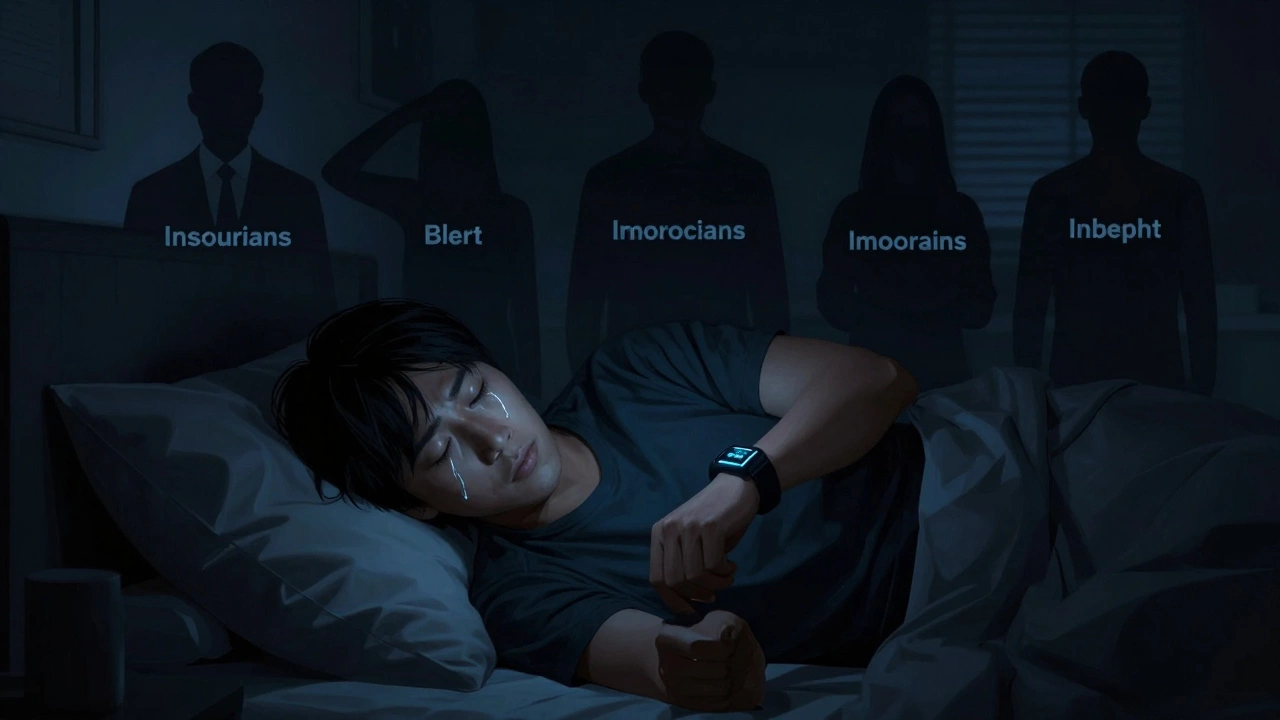
People start obsessing over numbers. The tracker says you didn’t hit 10,000 steps? You feel guilty. Your heart rate spiked during a meeting? You think you’re having a panic attack. Your sleep score dropped? You lie awake worrying.
A 2025 survey of 2,000 Australian fitness tracker users found that 37% reported increased anxiety linked to their device. One woman in Brisbane stopped sleeping unless her tracker gave her an "excellent" score. Another man skipped his daughter’s birthday party because he hadn’t reached his daily step goal.
This isn’t motivation-it’s digital addiction. The constant feedback loop turns health into a game with rules you didn’t write. And when you miss a goal, your brain treats it like a failure. That’s not healthy. That’s obsessive.
Many trackers now claim to detect irregular heart rhythms or low oxygen levels. Sounds useful, right? But they’re not FDA-approved or TGA-certified for medical use. In 2024, a 58-year-old man in Perth ignored chest pain because his tracker said his heart rate was "normal." He had a heart attack two days later.
These sensors can’t diagnose anything. They can only spot patterns that *might* mean something. But users treat them like a doctor’s stethoscope. A false negative can be deadly. A false positive can send you down a rabbit hole of unnecessary tests, stress, and bills.
Even worse, people with existing conditions-like arrhythmias or sleep apnea-stop seeing their doctors because they "have the data." That’s a dangerous myth. Your tracker doesn’t replace clinical evaluation. It’s a toy with sensors. Not a diagnostic tool.
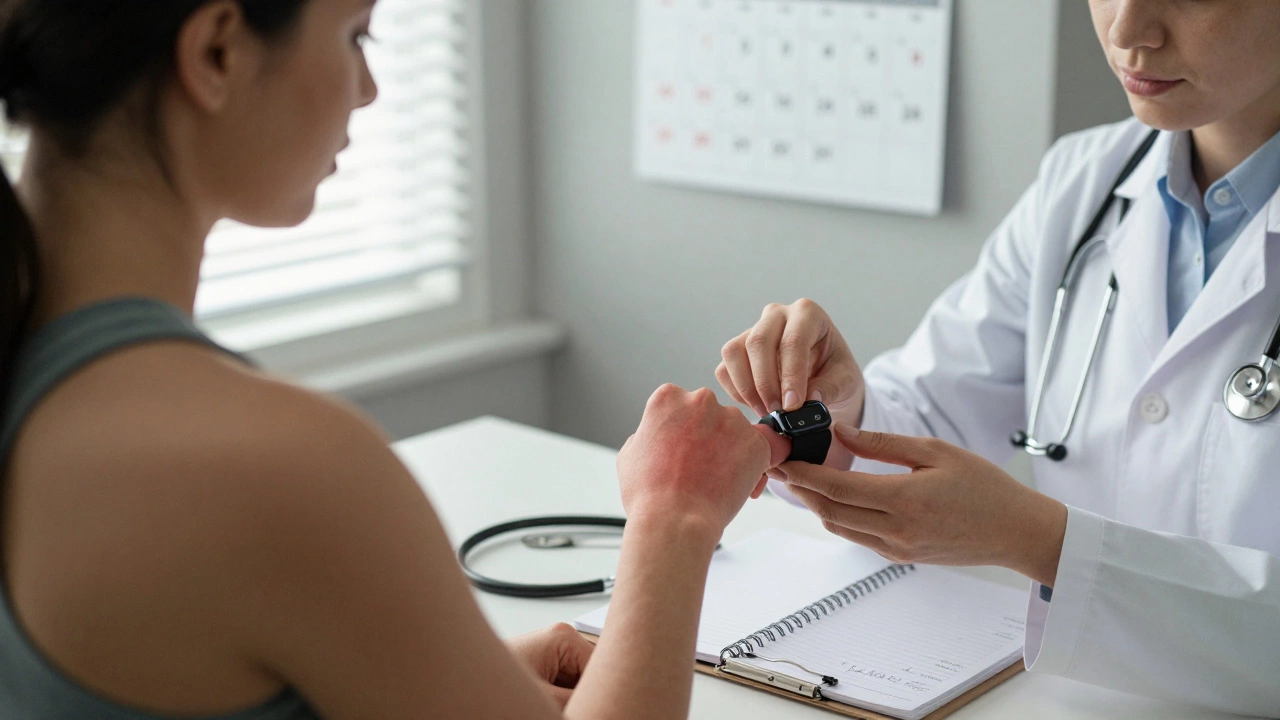
Wearing a plastic and metal band 24/7 sounds harmless. But it’s not. Dermatologists in Australia have seen a 40% rise in skin rashes, fungal infections, and contact dermatitis from fitness trackers since 2022. Sweat gets trapped. Bacteria grows. The band doesn’t breathe.
One user in Melbourne developed a persistent red ring around her wrist that wouldn’t go away. She thought it was allergies. It was bacterial folliculitis caused by constant friction and moisture. She had to stop wearing the tracker for six weeks-and even then, the skin took months to heal.
Also, the constant vibration and pressure can irritate nerves. There are now documented cases of ulnar nerve compression from wearing trackers too tight. Symptoms? Numbness, tingling, weakness in the hand. It’s rare-but it’s real.
Companies don’t want you to keep using the same tracker forever. They design them to feel outdated. Your device starts lagging. The battery dies faster. The app stops supporting your model after 18 months.
Then they push you toward upgrades with scary notifications: "Your sleep quality is declining. Upgrade to our new model with advanced recovery tracking." Or: "Your current device can’t detect stress anymore. You’re at risk. Buy now."
These aren’t health alerts. They’re sales tactics. You’re being manipulated into spending more money under the guise of protecting your well-being.
There’s no one-size-fits-all answer. For some, trackers are a helpful nudge. For others, they’re a source of stress, misinformation, and physical harm.
If you’re using one to stay accountable, fine. But ask yourself: Are you using the data-or is the data using you?
Here’s how to reduce the risks:
Technology should serve your health-not control it. If your tracker makes you anxious, misleads you, or pushes you to spend more, it’s doing more harm than good.
Yes. Constant wear can cause skin rashes, fungal infections, and nerve compression from pressure and trapped sweat. Some users report numbness or tingling in their hands due to tight bands. Taking breaks and cleaning the device regularly helps reduce these risks.
Not reliably. A 2023 Stanford study showed that popular trackers misread heart rates by 15-20% during intense activity. They’re fine for general trends, but never trust them for medical decisions. If you feel chest pain or dizziness, see a doctor-don’t wait for your device to flag it.
Most do. Even if you don’t see it in the fine print, many brands share anonymized health and location data with advertisers, insurers, and data brokers. In 2024, a major brand was exposed for selling data from users who visited clinics. Always check privacy settings and turn off data sharing.
Yes. A 2025 Australian survey found 37% of users reported increased anxiety because of their tracker. Constant alerts about missed goals, low sleep scores, or elevated heart rates can trigger obsessive behavior. It turns health into a performance metric, which can backfire mentally.
Not necessarily. But use it wisely. Turn off unnecessary features, take breaks, and never let it dictate your self-worth or health choices. If it causes stress, misleads you, or pushes you to buy more gear, it’s time to rethink your relationship with it.