Estimate how many pounds you could lose by incorporating regular walking into your routine. This tool uses standard metabolic equivalents (METs) to estimate calorie burn.
You’ve probably heard it a thousand times: there’s no single magic pill for weight loss. But if you force me to pick just one movement that actually works for most people-without wrecking their joints or requiring a gym membership-it’s walking. Yes, plain old walking. It sounds too simple to be true, especially when Instagram is flooded with people doing burpees until they puke. But here’s the thing about weight loss: it’s not about who sweats the most in an hour; it’s about what you can do consistently for months without quitting.
Let’s look at the math. A high-intensity interval training (HIIT) session might burn 400 calories in 30 minutes. That’s impressive on paper. But how many people can actually do that five days a week? Not many. HIIT is brutal on your central nervous system and your joints. If you’re overweight, jumping around can feel like punishment. You get sore, you get injured, and you quit after two weeks.
Walking, on the other hand, is boringly effective. You don’t need gear. You don’t need a shower afterward. You can do it while listening to a podcast or taking a call. Because it’s low-impact, you can walk every single day. Consistency beats intensity every time when you’re trying to shed pounds over a long period.
| Feature | Walking | Running |
|---|---|---|
| Calorie Burn (per hour) | ~250-350 kcal (depends on pace) | ~600-800 kcal |
| Joint Impact | Low (safe for knees/hips) | High (risk of shin splints/knee pain) |
| Recovery Time | Minimal (can do daily) | 1-2 days needed between sessions |
| Hunger Response | Neutral (doesn't spike appetite much) | High (often leads to overeating post-run) |
| Barrier to Entry | None (just shoes) | Moderate (requires technique/gear) |
When you walk, your body stays in the "fat-burning zone" longer than during short, explosive sprints. This doesn’t mean running doesn’t burn fat-it does-but walking allows you to sustain activity for hours, not minutes. Think about it: if you walk for two hours instead of running for 30 minutes, you likely burn more total energy because you didn’t hit a wall halfway through.
There’s also a hormonal benefit. High-intensity exercise spikes cortisol, the stress hormone. For some people, chronically elevated cortisol makes it harder to lose belly fat. Walking lowers cortisol levels. It’s calming. It helps regulate blood sugar better than intense bursts of exercise for many individuals, which means fewer cravings later in the day. You’re not white-knuckling through a workout; you’re moving in a way that supports your metabolic health.
Strolling around the block isn’t going to cut it. To make walking a legitimate weight-loss tool, you need to treat it like a workout. Here is how you structure it:
The biggest mistake people make is underestimating how much they eat after exercising. Just because you walked 10,000 steps doesn’t mean you earned a large slice of cake. Walking burns calories slowly. A 30-minute brisk walk might burn 150 calories. That’s half a candy bar. Don’t let "exercise hunger" trick you into eating back all the calories you burned plus extra.
Another trap is waiting for the "perfect" conditions. It’s raining? Walk inside a mall. It’s hot? Walk early morning or late evening. The best exercise is the one you actually do. Perfectionism is the enemy of progress. If you skip three days because you couldn’t find your running shoes, you’ve lost momentum. With walking, your shoes are always ready.

While walking is fantastic, it has limits. If you are already very fit, walking alone might not provide enough stimulus to build muscle or continue significant weight loss. Muscle mass boosts your resting metabolic rate, so pairing walking with resistance training is ideal. Also, if you have specific medical conditions affecting your mobility, consult a doctor before starting any new routine.
For beginners or those carrying significant extra weight, however, walking is the safest and most sustainable entry point. It builds the habit of movement without the fear of injury. Once you’ve built a base of consistent walking, you can layer in strength training or higher-intensity cardio if you want to accelerate results. But don’t rush it. Master the walk first.
You cannot spot-reduce fat, meaning walking won't target only your belly. However, by creating a calorie deficit through regular walking and managing diet, you will lose overall body fat, including visceral fat around your midsection. Consistent low-impact cardio is highly effective for reducing this dangerous type of fat.
Aim for at least 7,000 to 10,000 steps per day. Research suggests that hitting 10,000 steps significantly improves metabolic markers and aids in weight maintenance. Start lower if you are inactive and increase gradually to avoid burnout or discomfort.
For sustainability and injury prevention, yes. Running burns more calories per minute, but walking is easier to maintain daily. Many people quit running due to joint pain or exhaustion, whereas walking remains feasible long-term. Consistency ultimately drives weight loss results.
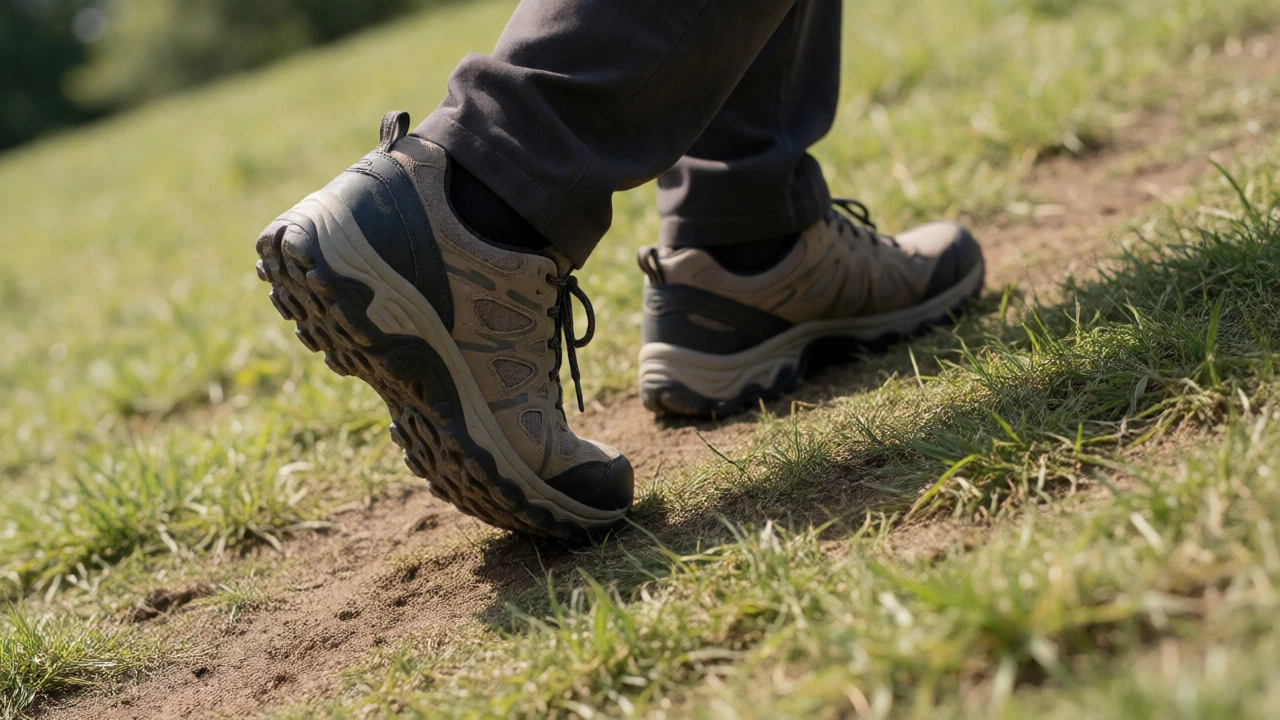
Yes, proper footwear matters. While you don't need expensive running shoes, you should wear supportive sneakers with good arch support and cushioning. Ill-fitting shoes can lead to blisters, plantar fasciitis, or knee pain, which derails your consistency.
Absolutely. Treadmills, indoor tracks, or even walking laps around a shopping mall count toward your daily step goal. The environment doesn't change the physiological benefits of movement. What matters is the duration and intensity of the activity.