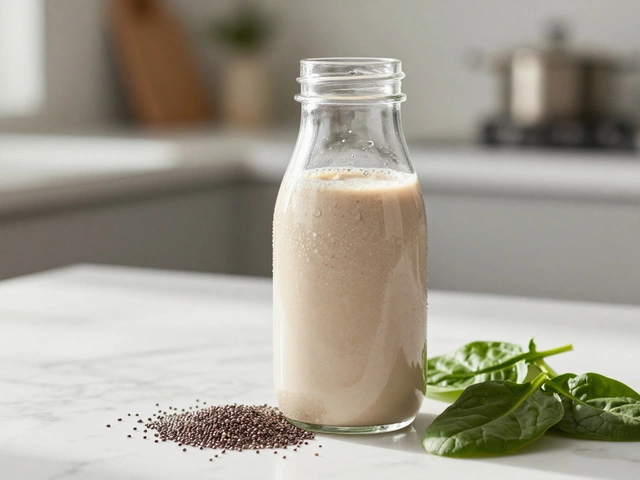
Muscle repair continues for 24–48 hours after intense exercise. Use this tool to determine how much protein you need to eat today to support recovery, even if you aren't lifting weights.
You just crushed a heavy squat session. Your legs feel like jelly, your nervous system is fried, and you’re staring at your fridge wondering if you still need to eat like an athlete today. Here’s the truth that confuses most lifters: muscle isn’t built during the workout; it’s built while you sleep and recover. If you drop your protein intake significantly on rest days, you’re essentially starving the very process you trained hard to trigger.
The question of how much protein to eat on non-training days isn’t about guessing. It’s about understanding the biological window of repair. When you lift weights, you create micro-tears in muscle fibers. Repairing those tears requires amino acids-the building blocks found in protein. This repair process doesn’t stop when you leave the gym; it continues for 24 to 48 hours after intense exercise. Therefore, keeping protein high on rest days ensures your body has the raw materials to rebuild stronger tissue rather than breaking down existing muscle for energy.
Many people believe they can slack off on nutrition when they aren’t sweating. They think calories are the only metric that matters, so they cut carbs or fats but forget that protein serves a different purpose than fuel. Protein is structural. Think of it like bricks for a house. You don’t stop delivering bricks to the construction site just because the crew took a lunch break. The walls still need to be finished.
If you drastically reduce protein on rest days, you risk entering a catabolic state where your body breaks down muscle tissue to get the amino acids it needs for other bodily functions. This is especially true if you are also in a calorie deficit for weight loss. You might lose weight, but you’ll likely lose some hard-earned muscle along with it, slowing down your metabolism in the long run.
So, what’s the actual number? General health guidelines often suggest 0.8 grams of protein per kilogram of body weight (about 0.36 grams per pound). But let’s be real-that’s the minimum to avoid deficiency, not the amount needed for someone lifting heavy weights. For strength athletes, the numbers are higher.
Protein Intake Guidelines vary based on activity level, but for those engaged in regular strength training, research consistently supports higher intakes to maximize muscle protein synthesis (MPS).
Notice something? These numbers don’t change based on whether it’s Monday (chest day) or Tuesday (rest day). Your daily total should remain consistent. The timing might shift slightly, but the total volume stays the same.
On training days, we obsess over the "anabolic window"-that mythical hour after a workout where you must consume protein immediately. On rest days, this pressure disappears. You have more flexibility. However, consistency in distribution still matters. Spreading your protein intake across 3-5 meals helps maintain elevated levels of amino acids in your blood throughout the day.
For example, if your goal is 180 grams of protein, eating 180 grams in one dinner isn’t as effective as eating 45 grams four times a day. Why? Because there’s a limit to how much protein your body can use for muscle synthesis at once. Excess protein gets oxidized for energy or stored as fat. By spreading it out, you keep the "construction crew" working all day long.

While protein stays steady, your other macronutrients can flex. This is where rest day nutrition differs from training day nutrition. Since you aren’t burning extra glycogen (stored carbohydrates) through intense exercise, you might not need as many carbs. Some athletes practice carb cycling, lowering carbohydrate intake on rest days and increasing it on training days.
However, don’t go too low on carbs unless you know your body tolerates it well. Carbs help spare protein. If you cut carbs too aggressively on rest days, your body might start using dietary protein for energy instead of muscle repair. A balanced approach often works best: keep protein high, moderate your carbs based on hunger and activity, and ensure you’re getting enough healthy fats for hormone regulation.
| Macro | Training Day Strategy | Rest Day Strategy | Reasoning |
|---|---|---|---|
| Protein | High (1.6-2.2 g/kg) | High (Same as Training Day) | Muscle repair continues for 24-48 hours post-workout. |
| Carbohydrates | Higher (Glycogen replenishment) | Moderate/Lower (Energy demand drops) | Less fuel needed for immediate performance. |
| Fats | Moderate | Slightly Higher (if calories allow) | Supports satiety and hormonal health when carbs drop. |
Eating enough protein on rest days shouldn’t feel like a chore. In fact, rest days are a great opportunity to focus on whole foods that take longer to prepare, like slow-cooked meats or complex egg dishes. Since you aren’t rushing to the gym, you have time to cook nutrient-dense meals.
Here are some high-protein options that support recovery without feeling heavy:
Even knowledgeable lifters make mistakes on rest days. The biggest error is assuming that because you didn’t train, you don’t need to track food. This leads to unintentional under-eating of protein or over-eating of empty calories. Another mistake is ignoring hydration. Muscles are roughly 75% water. Dehydration slows down recovery processes, regardless of how much protein you eat.
Also, beware of relying solely on supplements. While whey powder is convenient, whole foods provide a broader spectrum of nutrients. Use supplements to fill gaps, not to replace meals entirely.

Your age plays a role here. Older adults experience "anabolic resistance," meaning their bodies respond less efficiently to protein signals. If you’re over 40, you might need slightly more protein per meal (aim for 30-40 grams per sitting) to trigger the same muscle-building response as a younger person.
If your primary goal is fat loss, keeping protein high on rest days helps control appetite. Protein is the most satiating macronutrient. Eating a high-protein breakfast on a rest day can prevent snacking later in the evening, making it easier to stay within your calorie limits without feeling starved.
Let’s look at a practical example for a 180-pound (82 kg) male aiming for maintenance. His target protein is roughly 160-180 grams.
This plan totals around 165 grams of protein, spread evenly throughout the day. Notice how the carbs are moderate-not excessive-and the fats are present but controlled. This balance supports recovery without adding unnecessary bulk.
Yes, generally speaking. Muscle protein synthesis remains elevated for up to 48 hours after intense strength training. To support this ongoing repair process, your body needs a consistent supply of amino acids. Dropping protein intake significantly on rest days can hinder recovery and muscle growth.
You can, but do it carefully. Many athletes lower carbohydrate intake on rest days since energy expenditure is lower. However, keep protein high to protect muscle mass. If you lower fats too much, you may struggle with satiety and hormone production. A small caloric reduction via carbs is usually the safest strategy.
Insufficient protein intake on rest days can lead to slower recovery, increased muscle soreness, and potential muscle loss. Over time, this undermines the benefits of your strength training sessions, as your body lacks the materials to rebuild damaged tissue effectively.
Neither is inherently "better." Whey is fast-absorbing and convenient, while whole foods offer sustained release and additional nutrients. On rest days, convenience matters less, so prioritizing whole foods like meat, fish, eggs, and dairy is often superior for overall health and satiety. Use supplements only to meet targets if whole food intake falls short.
Timing is less critical on rest days compared to training days. There is no urgent need to consume protein immediately upon waking. Focus on hitting your total daily protein goal and distributing it reasonably across meals to maintain stable amino acid levels throughout the day.