
Enter your details and click calculate to see your personalized fat loss targets.
Before we talk about sweating, we have to talk about math. You cannot out-train a bad diet. To lose fat asap, you must be in a Caloric Deficit, which means you're burning more energy than you consume. But here is where people mess up: they cut calories too low, and their thyroid slows down to protect them from starving. This is why you feel sluggish and stop losing weight after two weeks.
A smart approach is a moderate deficit-roughly 300 to 500 calories below your maintenance level. If your body needs 2,500 calories to stay the same weight, eating 2,000 calories allows you to lose fat without crashing your energy. Pair this with a high intake of Protein (about 1.6g to 2.2g per kilogram of body weight) to ensure that the weight coming off is actually fat, not your hard-earned muscle.
If you want speed, HIIT (High-Intensity Interval Training) is your best friend. Unlike jogging at a steady pace, HIIT involves short bursts of all-out effort followed by brief recovery periods. This creates something called Excess Post-exercise Oxygen Consumption (EPOC), which basically means your body keeps burning calories at an elevated rate for up to 24 hours after you've left the gym.
Try this simple 20-minute circuit: 30 seconds of maximum effort (like sprinting or burpees) followed by 60 seconds of walking. Repeat this 10 times. Because you're pushing your heart rate to 80-90% of its maximum, you're triggering a hormonal response that mobilizes fat stores more effectively than a slow walk ever could. Just don't do this every day; two to three times a week is plenty. Any more, and you'll risk burning out your central nervous system.
Many people avoid weights when trying to lose fat because they fear "bulking up." That is a myth. Adding Lean Muscle Mass is actually the most sustainable way to stay lean. Muscle is metabolically active tissue; it requires energy just to exist. The more muscle you have, the more calories you burn while sitting on your couch watching TV.
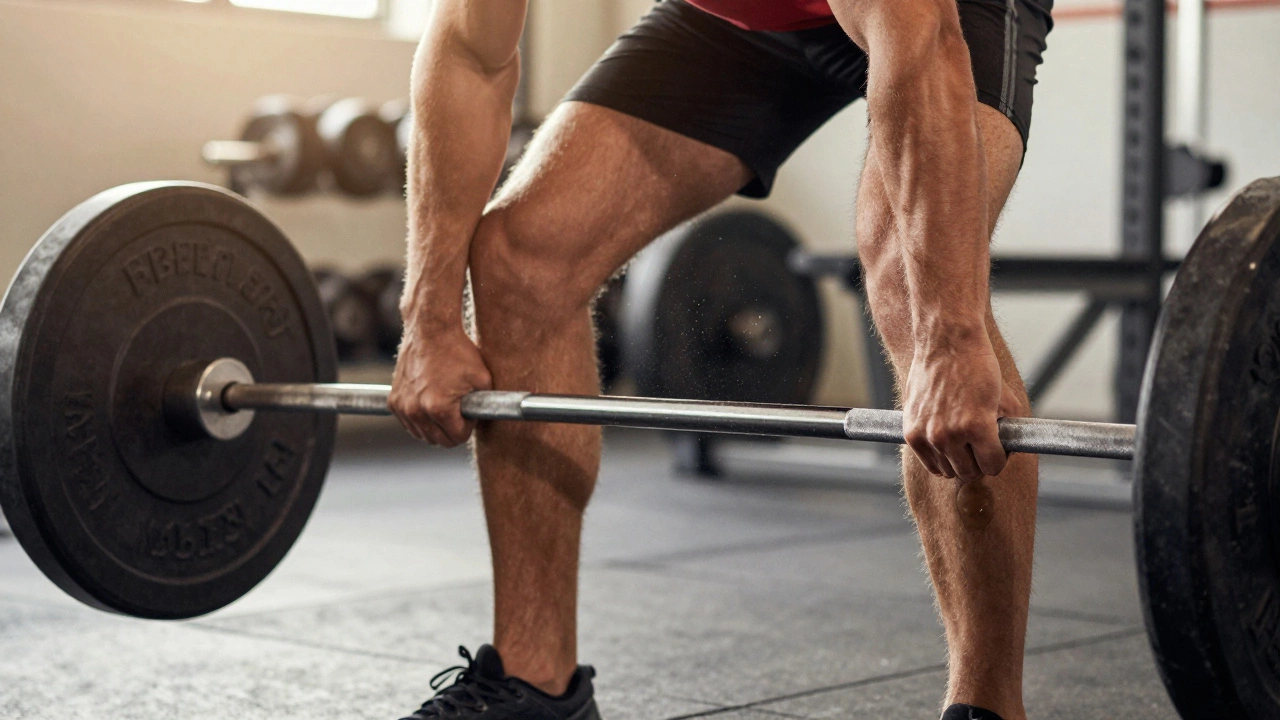
Focus on compound movements-exercises that use multiple joints and muscle groups at once. Think squats, deadlifts, overhead presses, and rows. These movements recruit the most muscle fibers and create the largest systemic demand on your body. Instead of spending 30 minutes on a bicep curl machine, spend that time doing weighted lunges. You'll burn significantly more calories and reshape your body much faster.
| Exercise Type | Calorie Burn During | Afterburn Effect | Muscle Preservation | Best For... |
|---|---|---|---|---|
| LISS (Walking) | Low/Moderate | Very Low | Neutral | Recovery & Low Stress |
| HIIT | High | Very High | Moderate | Maximum Calorie Burn |
| Strength Training | Moderate | High | Very High | Long-term Metabolism |
You spend maybe one hour at the gym, but there are 23 other hours in the day. This is where NEAT (Non-Exercise Activity Thermogenesis) comes in. NEAT includes everything you do that isn't intentional exercise: pacing while on the phone, cleaning the house, taking the stairs, or even fidgeting.
Believe it or not, someone with high NEAT can burn 500 to 1,000 more calories a day than someone who is sedentary, even if they both go to the gym. If you're struggling to see the scale move, stop obsessing over your workout and start focusing on your step count. Aim for 10,000 steps a day. It sounds cliché, but walking is a low-stress way to increase your daily energy expenditure without adding extra fatigue that might make you overeat later.
You can have the perfect workout and a perfect diet, but if you're sleeping four hours a night, you're fighting a losing battle. Lack of sleep spikes Cortisol, a stress hormone that encourages the body to store fat, particularly in the abdominal area. More importantly, sleep deprivation wreaks havoc on your hunger hormones: ghrelin (the "I'm hungry" hormone) goes up, and leptin (the "I'm full" hormone) goes down.
When you're exhausted, your brain craves quick energy-usually in the form of sugar and refined carbs. This makes it nearly impossible to stick to your diet. Aim for a consistent sleep schedule. If you can't get 8 hours, focus on the quality. Keep your room cool, put the phone away an hour before bed, and try to wake up at the same time every day to regulate your circadian rhythm.

The biggest mistake people make when trying to lose fat quickly is the "all or nothing" mentality. They go from zero exercise to seven days a week of HIIT and a 1,000-calorie diet. This leads to a crash. Your body reacts by slashing your metabolic rate, and you end up binge-eating by Thursday.
Another trap is relying on Fat Burner Supplements. Most of these are just overpriced caffeine pills. While caffeine can slightly increase your metabolic rate and suppress appetite, it's not a magic bullet. No pill replaces the need for a caloric deficit and movement. Focus on whole foods and consistent effort rather than searching for a shortcut in a bottle.
Yes. Fat loss is primarily driven by a caloric deficit. You can achieve this through a combination of strength training and a controlled diet. While cardio helps increase the number of calories you burn, lifting weights builds muscle, which increases your resting metabolic rate. Many people successfully lose fat by focusing on heavy lifting and increasing their daily step count (NEAT) instead of traditional cardio.
For most people, 4 to 5 days a week is the sweet spot. A balanced routine might look like three days of strength training and two days of HIIT or steady-state cardio. It is crucial to include at least one or two full recovery days. Without recovery, your cortisol levels remain high, and your muscles cannot repair themselves, which can actually slow down your fat loss progress.
Fasted cardio (exercising before eating) may slightly increase the percentage of fat burned during the session, but it doesn't necessarily lead to more total fat loss over 24 hours. For some, it's a great way to start the day; for others, it leads to poor workout performance. The best time to do cardio is whenever you can be most consistent with it.
There are three common reasons: first, you might be overestimating how many calories you burn and underestimating how many you eat. Second, you might be gaining muscle while losing fat, which means the scale stays the same but your body composition is improving (check your mirror or clothes instead). Third, high stress and lack of sleep could be causing water retention and hormonal imbalances.
Focus on high-volume, low-calorie foods. Leafy greens, broccoli, cauliflower, and zucchini allow you to eat large portions without consuming many calories. Pair these with lean proteins like chicken breast, white fish, tofu, or egg whites to maintain muscle mass. Avoid liquid calories like soda or juice, as they don't make you feel full but add up quickly.
If you're just starting, don't try to change everything at once. Pick one habit this week-maybe it's hitting 10,000 steps a day or eating protein with every meal. Once that feels easy, add in a strength training session. If you find yourself hitting a plateau, try "calorie cycling," where you eat slightly more on workout days and slightly less on rest days to keep your metabolism guessing. Stay patient, stay consistent, and focus on how you feel rather than just the number on the scale.