Not sure if morning workouts without breakfast are right for you? Answer these quick questions to get a personalized recommendation.
You’ve probably seen the trend: waking up at 5 AM, skipping breakfast, and jumping straight into a high-intensity interval training session. The promise? Faster fat loss and a leaner physique. But is it actually safe or effective to do HIIT on an empty stomach?
The short answer is: it depends on your body, your goals, and how you feel. There is no one-size-fits-all rule here. For some people, fasted cardio feels energizing and helps them stick to a routine. For others, it leads to dizziness, low energy, and poor form. Let’s break down what happens in your body when you train without food, who should avoid it, and how to do it safely if you choose to try.
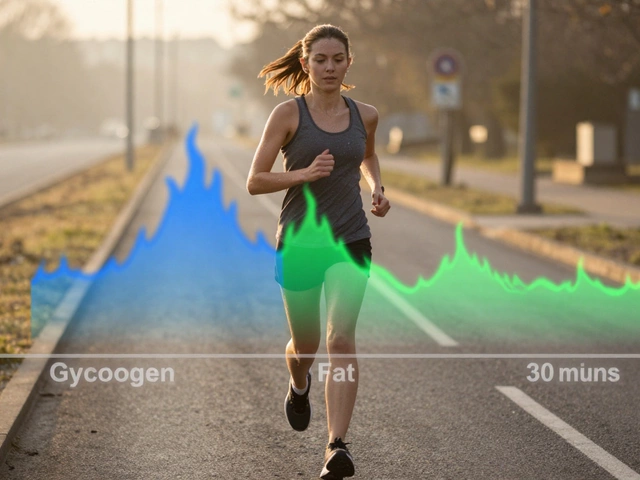
To understand the pros and cons, we need to look at fuel sources. When you eat, your body breaks down carbohydrates into glucose, which becomes its primary energy source for high-intensity efforts. If you haven’t eaten for 8-12 hours (like overnight), your blood sugar levels are lower, and your liver glycogen stores are depleted.
During Fasted Exercise is training performed after an extended period of not eating, typically in the morning before breakfast., your body shifts gears. It starts tapping into stored fat for energy more readily than it would after a meal. This is because insulin levels are low, allowing fatty acids to be released from adipose tissue.
However, HIIT is different from steady-state cardio like walking or jogging. HIIT requires short bursts of maximum effort followed by rest. These bursts rely heavily on anaerobic pathways, which prefer glucose. So, while you might burn a slightly higher percentage of fat during the session, your total calorie burn isn’t necessarily higher than fed HIIT. In fact, if you’re running out of fuel, your intensity might drop, leading to fewer calories burned overall.
Despite the fuel debate, many athletes and fitness enthusiasts swear by morning workouts. Here’s why they might work for you:
It’s worth noting that these benefits are largely subjective. What works for a seasoned athlete might not work for a beginner. Listen to your body.
Not everyone thrives on an empty tank. Here are the common pitfalls:
If you feel shaky, nauseous, or unusually tired during your workout, it’s a sign your body needs fuel. Don’t push through pain or discomfort.
While most healthy adults can handle occasional fasted sessions, certain groups should be cautious:
| Group | Reason for Caution |
|---|---|
| People with Type 1 Diabetes | High risk of hypoglycemia (low blood sugar) without medical supervision. |
| Underweight Individuals | Limited energy reserves; risk of excessive muscle breakdown. |
| Beginners | Body hasn't adapted to high-intensity demands yet; focus on technique first. |
| Pregnant Women | Nutrient needs are higher; consult a doctor before fasting for exercise. |
If you fall into any of these categories, check with a healthcare provider before starting a fasted training regimen.
If you want to give it a try, follow these guidelines to minimize risks and maximize results:
Your body loses water overnight. Drink 500ml of water upon waking. You can add electrolytes if you sweat heavily. Dehydration amplifies feelings of fatigue and dizziness.
Don’t go all-out immediately. Start with a 5-minute warm-up. Aim for RPE (Rate of Perceived Exertion) of 7-8 out of 10, rather than 9-10. Save your absolute max efforts for days when you’ve eaten.
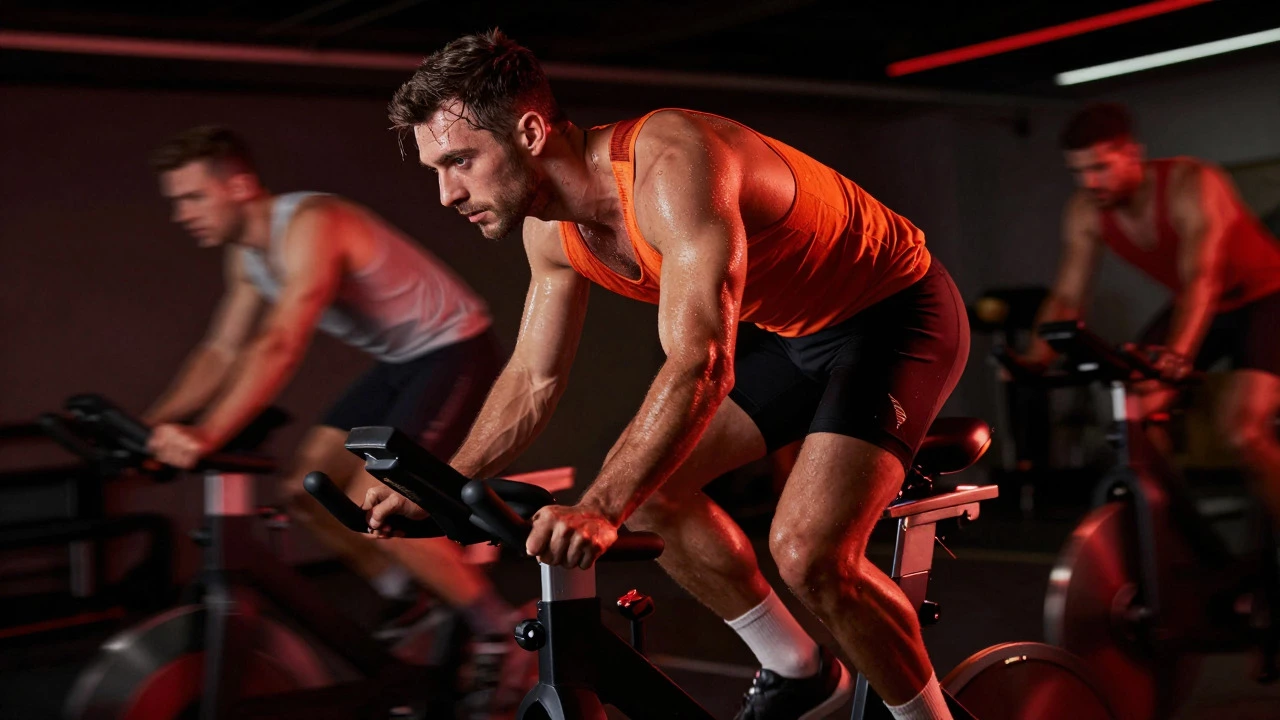
Instead of box jumps or burpees, opt for cycling, rowing, or step-ups. These movements are less likely to cause blood pressure drops or joint stress when you’re under-fueled.
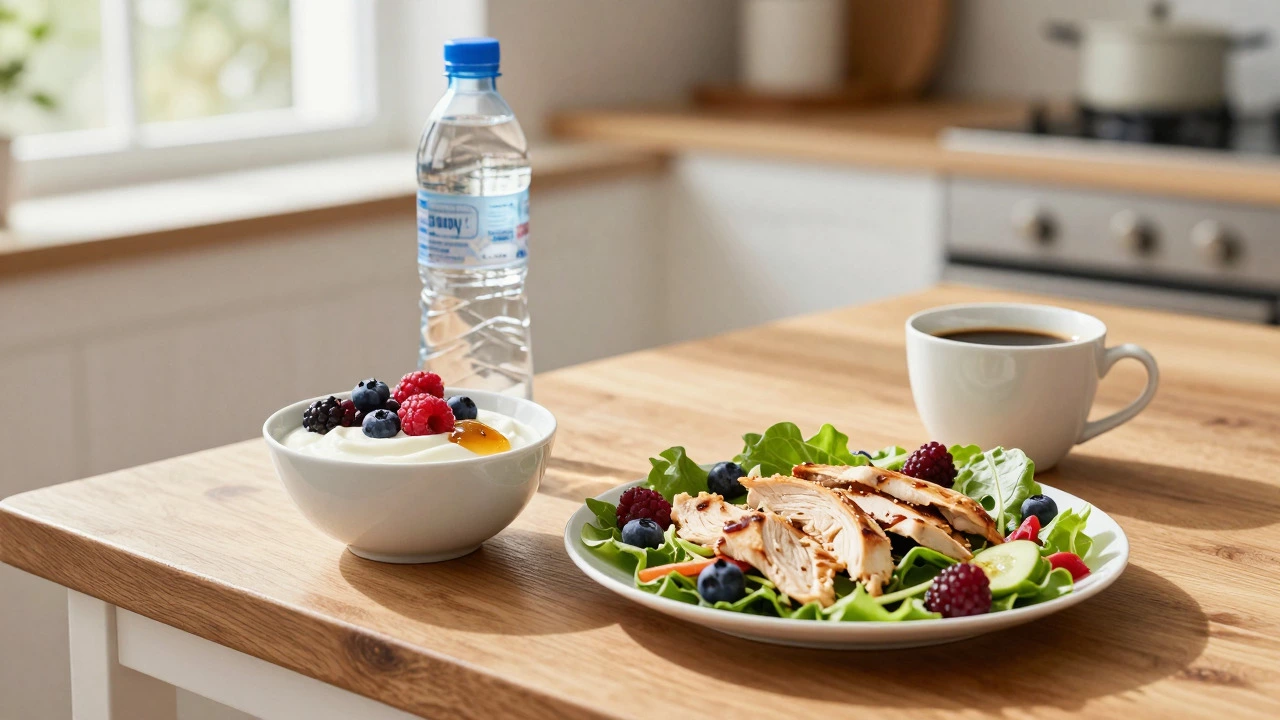
The window after exercise is crucial. Consume a balanced meal with protein and carbohydrates within 30 minutes of finishing. This helps replenish glycogen and start muscle repair. A simple option: Greek yogurt with berries and honey, or a chicken salad.
Track how you feel. Are you recovering faster? Is your mood better? Or are you exhausted by lunchtime? Adjust accordingly. Maybe fasted HIIT works twice a week but not five times.
This is the million-dollar question. Research suggests that total fat loss is determined by your daily caloric balance, not the timing of your workout. Whether you burn 10% more fat during a fasted session doesn’t matter if you eat 200 extra calories later because you’re hungrier.
However, there is a nuance. Some studies indicate that fasted exercise may lead to greater fat oxidation *during* the workout, which could have long-term metabolic benefits. But for practical purposes, consistency wins. If you perform better and enjoy your workouts after eating, you’ll likely stick with them longer. That sustained effort burns more calories over weeks and months than sporadic fasted sessions.
Think of it this way: A fed HIIT session where you crush every rep and maintain high intensity for 30 minutes will burn more total calories than a fasted session where you cut it short after 15 minutes due to fatigue.
If you decide to try fasted HIIT, make it sustainable. Here are some real-world tips:
Remember, the goal is to build a habit that lasts. If fasted training makes you hate mornings, find another time. If it makes you feel great, keep it up.
Let’s bust a few myths that circulate online:
Myth 1: Fasted cardio burns significantly more fat.
Truth: It burns a higher *percentage* of fat, but not necessarily more *total* fat. Total calorie expenditure is key.
Myth 2: You will lose muscle mass.
Truth: Only if you’re in a severe caloric deficit and not consuming enough protein throughout the day. With proper nutrition, muscle loss is minimal.
Myth 3: It’s only for advanced athletes.
Truth: Beginners can do it, but should start with lower intensity and shorter durations.
There are signs that your body isn’t handling fasted training well. Stop if you experience:
In these cases, adding a small pre-workout snack (like a banana or a handful of almonds) might solve the problem without ruining your fasted approach entirely.
At the end of the day, nutrition timing is a tool, not a rule. The best time to do HIIT is the time you can consistently do it. Whether that’s 6 AM on an empty stomach or 6 PM after dinner, the impact on your health comes from the movement itself and your overall diet.
Experiment with both approaches. Track your energy, performance, and recovery. You might find that you prefer fed workouts for high-intensity days and fasted workouts for lighter, steady-state cardio days. Flexibility is key to long-term success.
Your body is unique. Trust your instincts, listen to your signals, and prioritize consistency over perfection. That’s how real change happens.
Yes, for most healthy adults, it is safe to do HIIT on an empty stomach. However, individuals with diabetes, low body weight, or history of hypoglycemia should consult a doctor. Always hydrate and monitor how you feel during the workout.
Fasted HIIT burns a higher percentage of fat during the session, but total fat loss depends on your daily caloric deficit. If you perform better and burn more total calories after eating, fed HIIT may be more effective for overall fat loss.
Black coffee can help increase alertness and fat oxidation. It contains negligible calories and won’t break a fast. However, if you are sensitive to caffeine on an empty stomach, it may cause jitters or nausea.
Eat a balanced meal containing protein and carbohydrates within 30 minutes of finishing. This helps replenish glycogen stores and supports muscle recovery. Examples include Greek yogurt with fruit or a chicken wrap.
Beginners can try fasted HIIT, but should start with lower intensity and shorter durations. Focus on learning proper form first. If you feel dizzy or weak, consider having a small snack beforehand.