Most people buy a fitness tracker because they want to get healthier. But what if the very thing meant to help you is quietly making things worse? I’ve seen friends quit running because their device said they weren’t burning enough calories. I’ve watched someone cancel a weekend hike because their heart rate was ‘too high’-even though they felt fine. Fitness trackers promise control, but for a lot of people, they deliver anxiety.
Think about this: your body doesn’t care if you hit 10,000 steps today. It cares if you moved, rested, ate well, and slept. But your tracker? It doesn’t know the difference between walking to the mailbox and walking for exercise. It just counts. And when you start treating every step like a currency you need to earn, you lose sight of why you started moving in the first place.
A 2023 study from the University of Sydney followed 400 people using fitness trackers for six months. Those who focused on meeting daily goals were 34% more likely to quit by month four than those who just moved without tracking. Why? Because the tracker turned movement into a chore. It’s like having a boss who only praises you when you hit a quota-not when you do good work.
Let’s be real: most fitness trackers are terrible at measuring what matters. Calories burned? Often off by 20-40%. Sleep stages? Sometimes wrong by hours. Heart rate during strength training? Useless. I tested three popular trackers during a 30-minute kettlebell session. One said I burned 280 calories. Another said 410. The third said 195. None matched my actual energy expenditure based on metabolic testing.
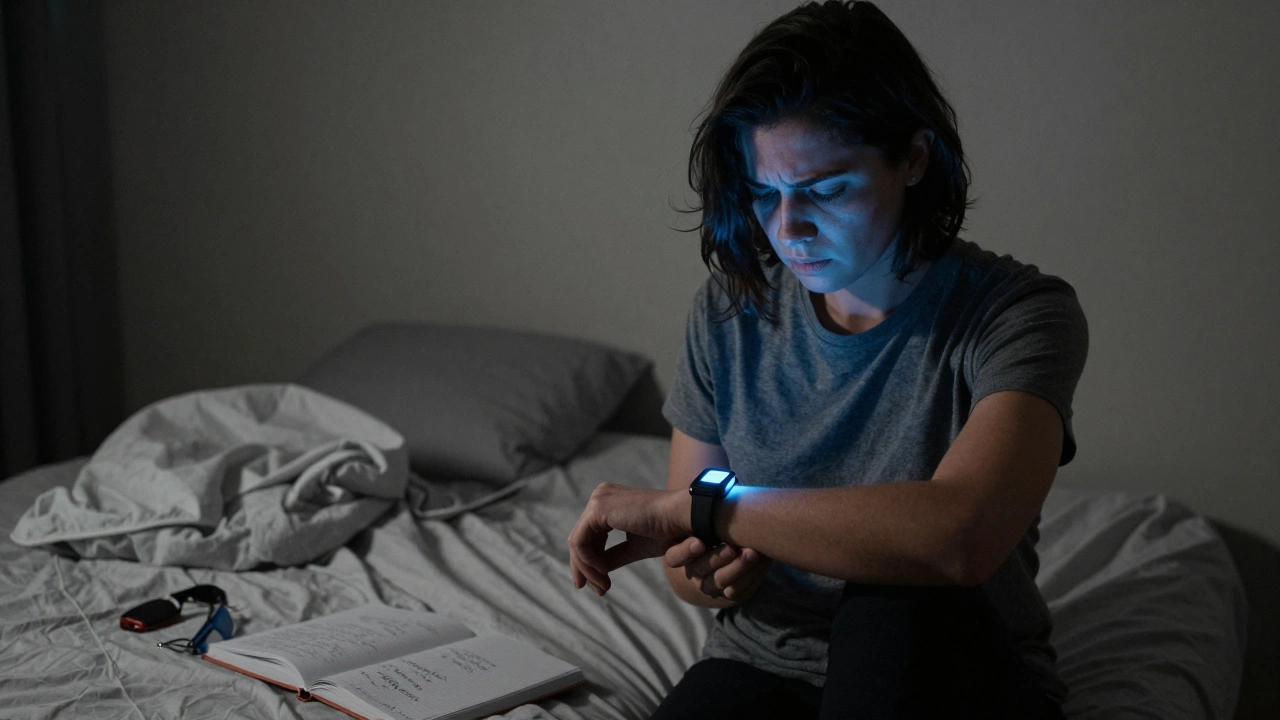
And don’t get me started on sleep tracking. I’ve had mine tell me I had ‘deep sleep’ for 2 hours-when I woke up three times to feed my toddler. It’s not broken. It’s just guessing. Algorithms trained on lab data don’t know what your life looks like. They don’t know you’re stressed, nursing a cold, or working night shifts. But your tracker doesn’t care. It just gives you a number-and you start believing it.
Before I owned a tracker, I knew when I needed rest. My body told me: heavy legs, low energy, cranky mood. Now? I wait for my device to green-light recovery. If it says I slept poorly, I take a day off-even if I feel fine. If it says I’m ‘overtrained,’ I skip a run-even though my legs are buzzing with energy.
This isn’t health. It’s dependency. You’re outsourcing your internal wisdom to a piece of plastic strapped to your wrist. And when that device glitches, dies, or misreads you, you panic. I had a client who missed three workouts because her tracker stopped syncing. She didn’t know if she was ‘allowed’ to move until it worked again. That’s not fitness. That’s fear.

People think more metrics = more progress. But the truth? You don’t need to know your resting heart rate every morning to lose fat. You don’t need to see your HRV trend over 14 days to build strength. You need consistency. You need to show up. You need to eat something real and sleep enough.
One of my clients, a 52-year-old woman with prediabetes, dropped 18 kilos in five months-without ever wearing a tracker. She walked daily, cooked meals, and stopped drinking soda. She didn’t know her step count. She didn’t check her sleep score. She just listened. And she’s still going.
Meanwhile, another client tracked everything: calories, steps, heart rate variability, oxygen saturation. She lost 2 kilos in three months. Then she burned out. She started skipping meals because her tracker said she’d ‘earned’ fewer calories. She got anxious every time her sleep score dipped. She quit after six months.
Ever opened your fitness app and seen your friend’s 15,000 steps, 8 hours of sleep, and 200-calorie deficit? Suddenly your 8,000 steps and 6.5 hours feel like failure. But here’s the thing: you’re not comparing apples to apples. You don’t know if they’re sleeping on a new mattress, walking their dog twice a day, or just lying about their numbers. You don’t know their stress levels, their hormones, their recovery habits.
Fitbit and Apple Watch turned fitness into a social feed. And social feeds are designed to make you feel behind. You’re not supposed to feel good-you’re supposed to want more. More steps. More sleep. More badges. More validation. But real health doesn’t come from a leaderboard.
There are people for whom fitness trackers are dangerous. People with eating disorders. People with anxiety. People recovering from injury. I’ve worked with clients who stopped eating because their tracker said they were ‘over their calorie goal’-even when they were under-eating by 500 calories a day. I’ve seen people avoid physical therapy because their heart rate spiked during rehab exercises. The tracker labeled it ‘stress.’ It wasn’t. It was healing.
And then there’s the quiet cost: the time. The time spent syncing. The time spent checking. The time spent worrying. One woman I know spends 20 minutes every night scrolling through her sleep data. She could’ve spent that time reading, stretching, or talking to her partner. Instead, she’s stuck in a loop of self-scrutiny.
You don’t need a tracker to be healthy. You need awareness. Here’s what works better:
My friend Jess, a yoga teacher in Fremantle, stopped wearing her tracker last year. She said, ‘I finally stopped trying to prove I’m doing enough. Now I move because it feels good. That’s the only metric that matters.’
Fitness trackers aren’t evil. They’re tools. And like any tool, they can help-or harm-depending on how you use them. The problem isn’t the gadget. It’s the belief that your worth, your health, your discipline is measured by a number.
You are not your step count. You are not your sleep score. You are not your calorie burn. You are the person who shows up-even on days you don’t feel like it. You’re the one who rests when you need to. You’re the one who eats food that fuels you, not the one who chases a green bar on a screen.
If your tracker is making you anxious, obsessive, or disconnected from your body-then it’s not helping. It’s holding you back. And that’s okay to walk away from.
You don’t need permission to move without measuring. You don’t need validation from a device to be worthy of health. You already have everything you need.
Some people lose weight using them, but studies show they don’t make a big difference long-term. A 2021 study in the Journal of the American Medical Association found that people who didn’t use trackers lost just as much weight as those who did-sometimes more. The real factor is consistency, not data.
Yes. For people prone to obsessive behaviors, constant feedback can trigger unhealthy patterns. Tracking calories, steps, or sleep can turn into compulsive monitoring. Clinicians have documented cases of people developing orthorexia or exercise addiction because they relied too heavily on tracker data to define ‘good’ behavior.
Not necessarily-but consider using it less. Try turning off daily goals. Only check your data once a week. Or use it only for specific purposes, like tracking heart rate during runs, then stop. The goal is to use it as a tool, not a rulebook.
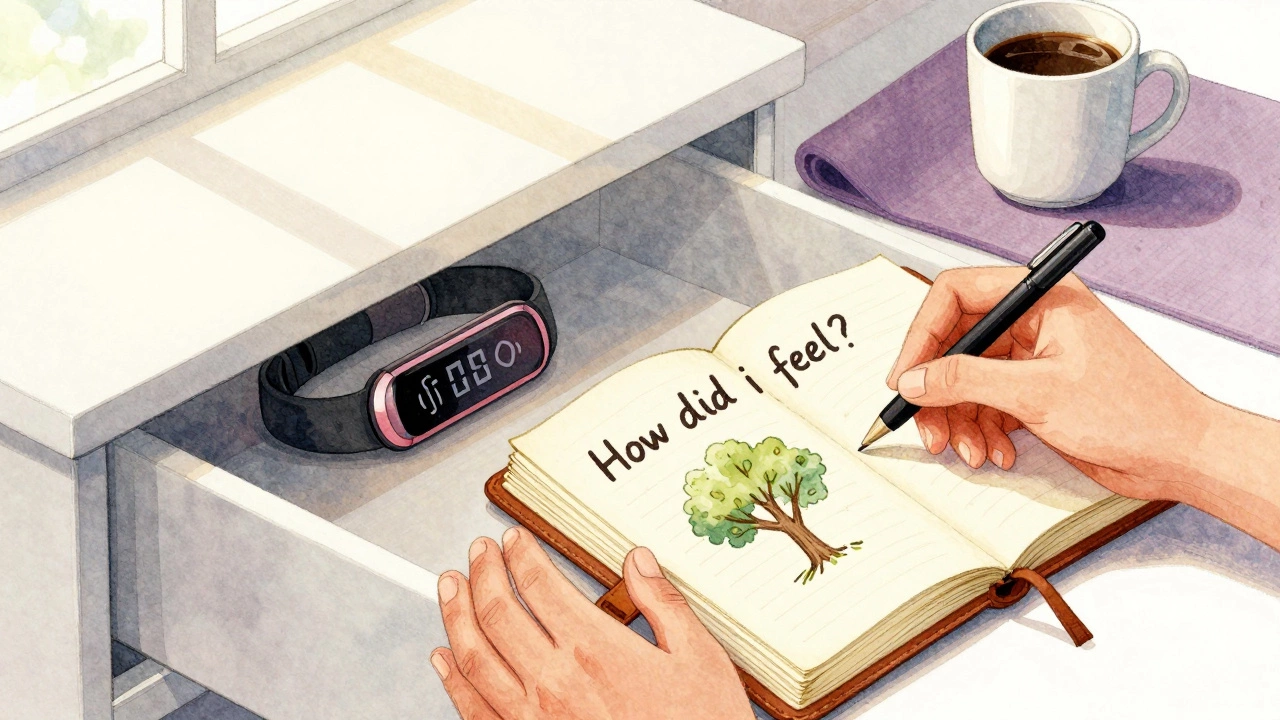
Try journaling how you feel after workouts. Take monthly photos. Notice how your clothes fit. Track your energy levels, mood, and sleep quality with simple notes-not numbers. These are more accurate reflections of real health than any wearable can give you.
Absolutely. For people with heart conditions, sleep apnea, or chronic fatigue, trackers can help spot patterns and alert doctors. They’re also useful for athletes training for competitions who need precise data. But for most people just trying to feel better? They’re often more distraction than help.