Answer three quick questions to get a personalized recommendation from our top contenders list.
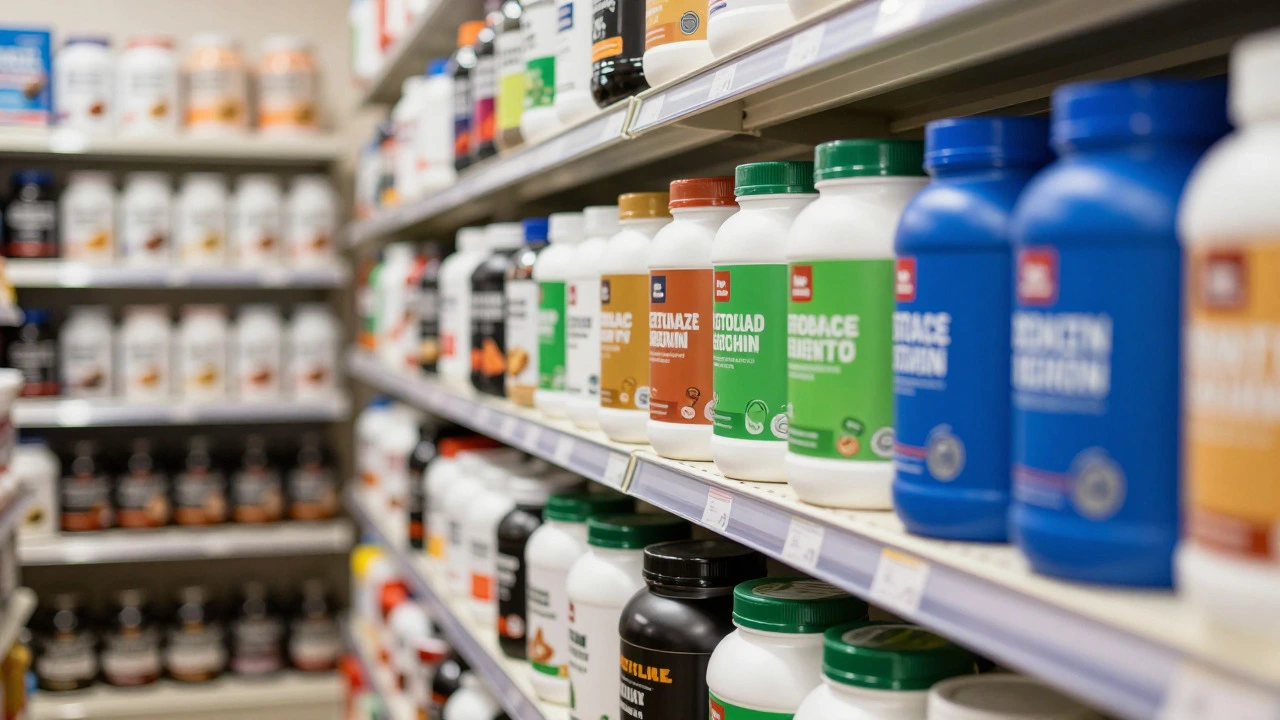
Walking into any supplement store in Perth, you’re likely to be overwhelmed by shelves packed with tubs of protein powder is a dietary supplement designed to increase daily protein intake for muscle recovery and growth. Also known as protein shake mix, it comes in various forms like whey, casein, and plant-based options. The question isn't just "which brand is best?" but rather "which brand fits my specific goals, budget, and dietary restrictions?" There is no single winner that suits everyone, but there are clear leaders in quality, transparency, and value.
To pick the right brand, you first need to understand what you're actually drinking. The two main categories are animal-derived and plant-derived. Each has distinct advantages depending on your lifestyle and training intensity.
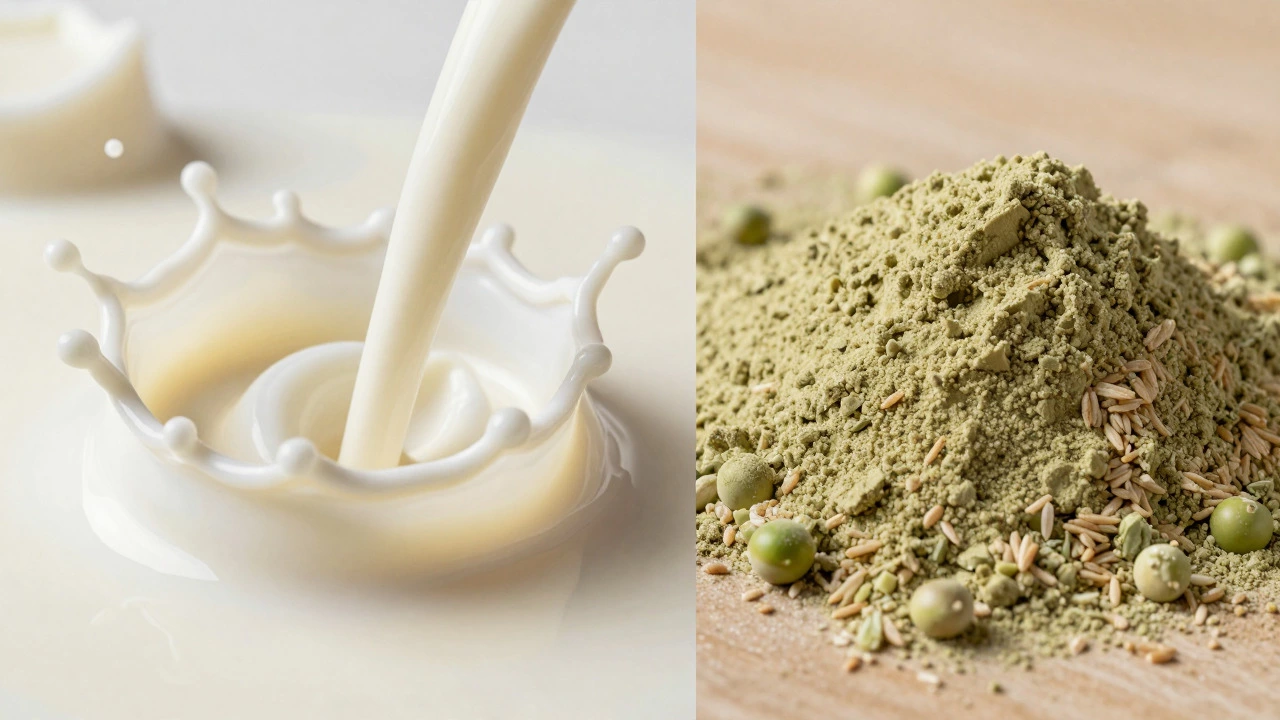
Whey protein is a milk protein derived from the liquid remaining after curdling and straining milk during cheese production. It is widely used in fitness circles because it digests quickly, spiking insulin levels and driving nutrients into muscles rapidly. This makes it ideal for post-workout shakes. However, if you have lactose intolerance, standard whey concentrate might cause bloating. In these cases, whey isolate is a better choice, as it removes most of the lactose.
On the other hand, Plant-based protein is a blend of proteins from sources like peas, brown rice, hemp, and pumpkin seeds. Historically, these were criticized for having incomplete amino acid profiles. Today, top-tier brands use sophisticated blending techniques to create a complete profile that rivals whey. They are naturally free from dairy, gluten, and soy (in many cases), making them excellent for vegans or those with sensitivities. The downside? They can sometimes have a gritty texture and an earthier taste compared to the smooth, creamy finish of whey.
After reviewing market trends, user feedback, and lab results from Australian and international standards, a few brands consistently stand out. Here is how the major players compare across key metrics.
| Brand / Product Type | Protein Source | Protein per Serving (g) | Approx. Cost per Serving (AUD) | Best For |
|---|---|---|---|---|
| Optimum Nutrition Gold Standard | Whey Concentrate | 24g | $1.80 - $2.50 | Budget-conscious lifters, general health |
| MyProtein Impact Whey | Whey Isolate/Concentrate Blend | 21g | $1.20 - $1.80 | High volume users, frequent sales |
| Garden of Life Sport Organic | Grass-Fed Whey | 30g | $3.50 - $4.20 | Clean label enthusiasts, organic preference |
| Legion Athletics Whey+ | Whey Isolate/Hydrolysate | 27g | $2.80 - $3.50 | Premium taste, low sugar, gut health focus |
| Naked Pea Protein | Pea Protein | 24g | $2.20 - $2.90 | Vegans, minimal ingredient lists |
| Orgain Organic Plant Based | Pea/Rice/Hemp Blend | 21g | $2.50 - $3.20 | Vegan convenience, digestive enzymes included |
Note that prices fluctuate based on promotions and retailer location within Australia. MyProtein, for instance, is known for aggressive discounting, which can make their premium lines very competitive. Conversely, smaller boutique brands often charge a premium for sourcing local ingredients or using sustainable packaging.
Marketing terms like "clean," "pure," and "natural" are everywhere, but they don't always mean much legally. When evaluating a brand, look beyond the front of the tub. The ingredient list is where the truth lives.
A truly clean protein powder should have a short ingredient list. You want to see the primary protein source first, followed by natural flavors, sweeteners, and perhaps some functional additives like creatine or BCAAs. Red flags include long lists of artificial colors (like Red 40 or Blue 1), excessive thickeners (xanthan gum, guar gum), and proprietary blends that hide exact dosages.
Sweeteners also play a huge role. Stevia and erythritol are popular zero-calorie options, but some people find stevia leaves a bitter aftertaste. Sucralose is common but controversial among purists. If you're sensitive to sugar alcohols, check for maltitol or sorbitol, which can cause digestive distress. The best approach is to buy a small sample size first if you're trying a new brand, especially one with unfamiliar sweeteners.
In the supplement industry, regulation is looser than in pharmaceuticals. This means not every scoop contains exactly what the label says. Some batches may have higher moisture content, leading to less actual protein per serving. Others might contain trace amounts of heavy metals or contaminants if raw materials aren't sourced carefully.
This is why third-party testing is non-negotiable for serious consumers. Look for seals from organizations like Informed Sport is an anti-doping program that tests supplements for banned substances or NSF International, which verifies label accuracy and purity. These programs test batches independently, ensuring that what you drink matches the label claims. While this adds to the cost, it provides peace of mind, particularly for athletes who compete under strict anti-doping rules.
If you don't see a certification seal, check the manufacturer's website. Reputable brands publish their Certificates of Analysis (CoA) online, allowing you to verify the protein content, carbohydrate count, and contaminant screening for specific batch numbers.
Your goal dictates your choice. Here’s a quick decision guide:
Even experienced buyers make mistakes. One common error is judging a protein solely by its protein-per-serving number. A product with 30g of protein but 15g of added sugars and fillers is inferior to one with 24g of protein and minimal additives. Always calculate the ratio of protein to total weight per serving.
Another trap is ignoring solubility. Some powders clump badly, leaving chunks in your shaker bottle. Read reviews specifically mentioning mixability. If a brand uses too much thickener, it might taste rich but be difficult to consume quickly. Shaking with water versus milk also changes the experience; water highlights the flavor and texture, while milk masks imperfections but adds calories.
Not necessarily. Price often reflects marketing, packaging, and brand prestige rather than superior biological efficacy. A mid-range whey isolate from a reputable manufacturer offers 90-95% of the benefits of a premium brand at half the cost. Pay extra only if you need specific features like grass-fed sourcing, organic certification, or advanced filtration for allergies.
Vegetarians can easily use whey and casein since they are dairy-based. If you prefer to avoid dairy entirely, choose a plant-based blend. Ensure the blend includes multiple sources (like pea and rice) to get all essential amino acids. Single-source plant proteins are generally insufficient for optimal muscle building unless combined strategically.
For most active individuals, the recommendation is 1.6 to 2.2 grams of protein per kilogram of body weight daily. For example, a 75kg person would need between 120g and 165g of protein. If you're getting 100g from food, a single 25g protein shake covers the rest comfortably. Don't obsess over hitting a perfect number; consistency matters more than precision.
For healthy adults, high protein intake does not cause kidney damage. Studies show that only those with pre-existing kidney conditions need to limit protein. If you have normal kidney function, consuming 2-3 scoops of protein powder daily is safe. Stay hydrated, as processing protein requires adequate water intake.
Yes, though it depends on the type. Whey mixes well with hot liquids if stirred vigorously, but boiling can denature the protein slightly (though it remains digestible). Plant proteins tend to clump more in hot drinks. If you enjoy a protein latte, try blending it with cold brew or adding the powder to warm (not boiling) milk first to prevent lumps.