Answer these questions to find the best fit for your lifestyle.
You’re standing in the electronics aisle, or maybe you’re just staring at two tabs on your laptop. On one side, there’s the Apple Watch, the sleek, expensive extension of your iPhone that does everything from answering calls to tracking your sleep. On the other, you have Fitbit, the dedicated health gadget that has been helping people hit their step goals for over a decade. It’s a classic dilemma. Is the Apple Watch better than Fitbit? The honest answer is: it depends entirely on who you are and what you actually need.
If you’re an iPhone user who wants a mini-computer on your wrist, the Apple Watch is likely superior. If you want a focused, long-lasting health companion that doesn’t care if your phone dies, Fitbit might be the smarter buy. Let’s break down why, without the marketing fluff.
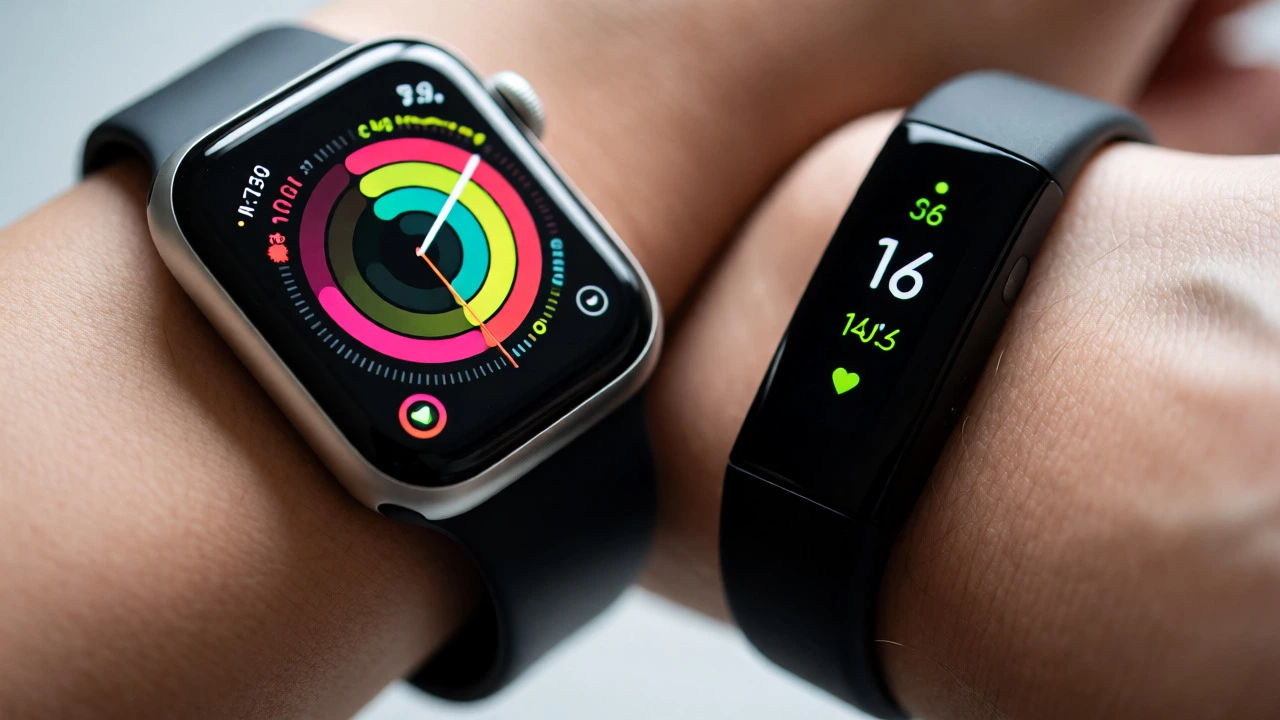
Think of these devices differently. The Apple Watch is a general-purpose smartwatch with excellent health sensors. It runs apps, sends notifications, controls your home lights, and plays music independently. It is designed to keep you connected. Fitbit, now owned by Google, is primarily a health and wellness tracker. While newer models like the Pixel Watch exist, traditional Fitbits focus on metrics: steps, heart rate, sleep stages, and stress levels. They are designed to keep you healthy, not necessarily connected.
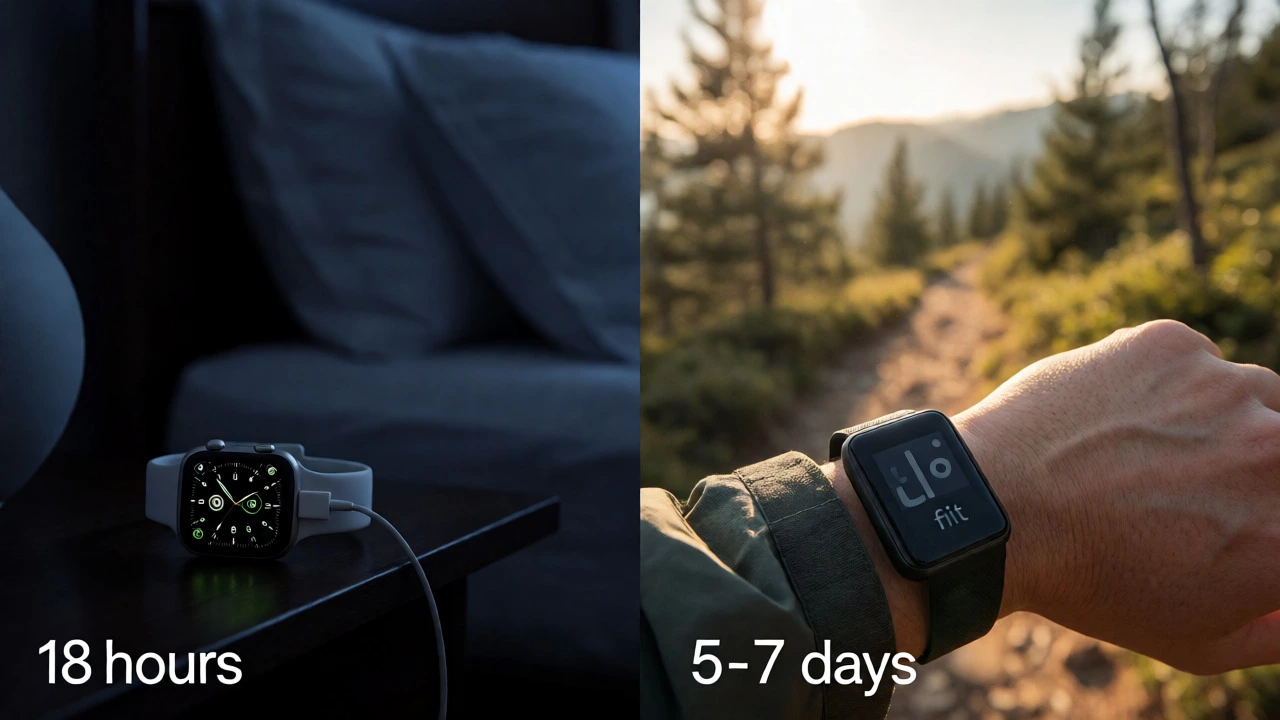
This distinction matters because it affects battery life and usability. An Apple Watch typically lasts about 18 hours on a single charge. You’ll likely charge it every night while you shower. A standard Fitbit Charge or Inspire series can last five to seven days. If you hate charging gadgets daily, this is a massive factor.
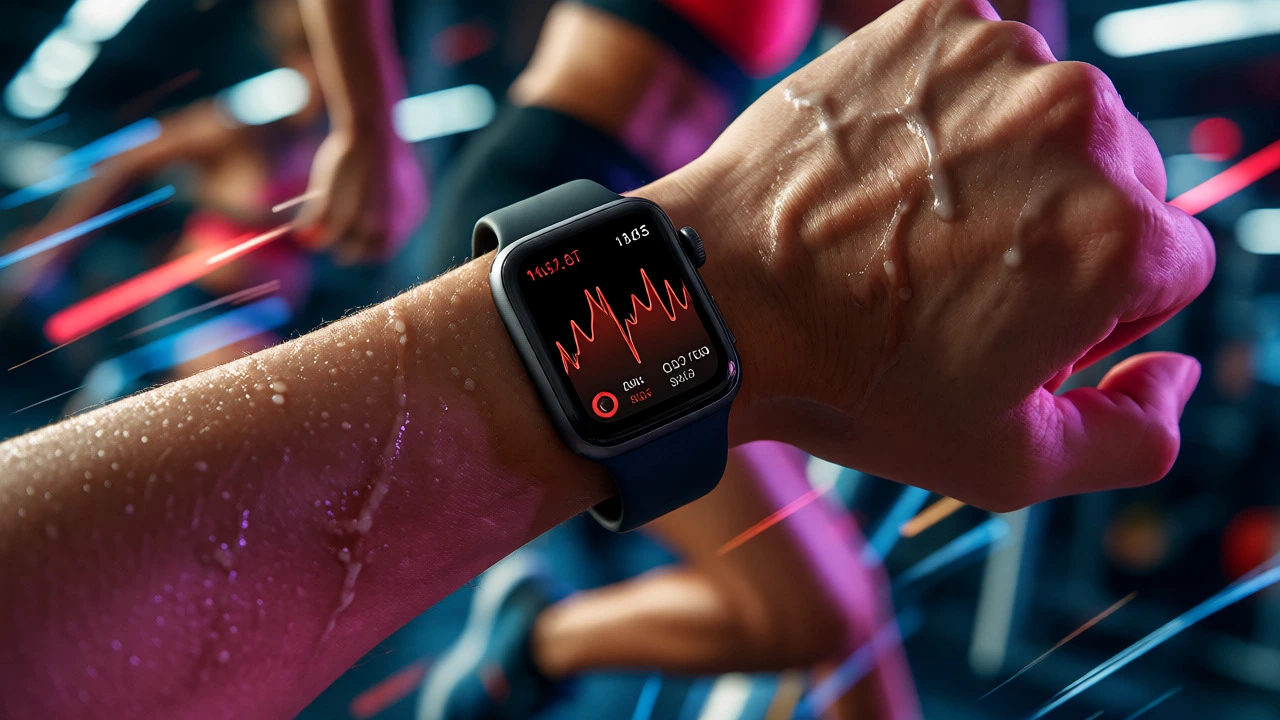
When it comes to raw data, both brands are surprisingly close. In independent tests conducted by researchers at institutions like Stanford Medicine, both the Apple Watch Series 9 and Fitbit Charge 6 showed high accuracy in measuring heart rate during steady-state exercise. However, discrepancies appear during high-intensity interval training (HIIT). The Apple Watch’s optical sensor tends to lock onto heart rate faster and more accurately during rapid spikes, thanks to its advanced algorithms and higher sampling rates.
Sleep tracking is where things get interesting. Fitbit has long been considered the gold standard for consumer sleep analysis. Their algorithm breaks down sleep into light, deep, REM, and awake stages with impressive detail. The Apple Watch added comprehensive sleep tracking later, but its integration with third-party apps like AutoSleep often rivals native Fitbit data. If you want detailed sleep insights out of the box, Fitbit still holds a slight edge for simplicity.
| Feature | Apple Watch (Series 9/Ultra) | Fitbit (Charge 6/Sense 2) |
|---|---|---|
| Battery Life | ~18-36 hours | 5-7 days |
| Ecosystem | iOS only | iOS & Android |
| Price Range | $399 - $799+ | $100 - $300 |
| Smart Features | Calls, Texts, Apps, Siri | Limited Notifications, Quick Replies |
| Health Focus | Comprehensive Medical-grade sensors | Holistic Wellness & Sleep |
Here is the biggest deal-breaker: compatibility. The Apple Watch requires an iPhone. Period. You cannot pair it with an Android phone. If you use a Samsung Galaxy or a Pixel, the Apple Watch is completely off the table. This makes the decision easy for half the population. If you’re an Android user, your choice is effectively made for you unless you switch phones.
For iPhone users, the integration is seamless. Handoff between your phone and watch feels magical. You start a workout on your watch, and it appears instantly on your iPhone screen when you finish. Unlocking your Mac with your wrist? That works. Finding your lost iPhone by making it ping from your wrist? Done. These conveniences add up. Fitbit works with both iOS and Android, but the experience is slightly less integrated on iPhones compared to the native Apple ecosystem.
Let’s talk money. A new Apple Watch starts around $399 for the base SE model, but most people spend $429-$799 depending on size and material. Add cellular connectivity, and you’re looking at even more. Plus, Apple charges for iCloud storage, though that’s usually covered by your existing plan.
Fitbit devices are significantly cheaper. The popular Fitbit Charge 6 costs around $160. The Inspire 3 is under $100. But here’s the catch: Fitbit Premium. To unlock advanced health metrics, personalized coaching, and deeper sleep insights, you need a subscription costing roughly $10 per month or $80 per year. Without Premium, you get basic stats. With Apple Watch, you get almost all core features for free. There is no mandatory subscription to see your heart rate or track workouts. Over three years, the cost difference might narrow, but the upfront barrier for Apple is much higher.
Choose the Apple Watch if:
Choose Fitbit if:
Is the Apple Watch better? Technically, yes. It has faster processors, brighter screens, and more sophisticated sensors. It is a more powerful computer. But "better" doesn't mean "right for you." If you find yourself ignoring the smart features and just wanting to know how many steps you took and how well you slept, the Apple Watch is overkill. You’re paying for power you don’t use, and dealing with a battery that needs constant attention.
Fitbit remains the king of practical, long-term health tracking. It’s discreet, durable, and focused. For the average person trying to move more and stress less, Fitbit delivers 90% of the value for 30% of the price. The Apple Watch wins for tech enthusiasts and those deeply embedded in the Apple ecosystem. Choose based on your lifestyle, not just the spec sheet.
No, you cannot. The Apple Watch requires an iPhone to set up and function fully. There is no official support for Android devices, meaning you must own an iPhone to use one.
Basic tracking features like step counting, heart rate monitoring, and sleep tracking are free. However, advanced insights, personalized guidance, and some historical data depth require a Fitbit Premium subscription, which costs approximately $10/month.
Fitbit generally has much better battery life. Most Fitbit trackers last 5-7 days on a single charge. The Apple Watch typically lasts 18-24 hours, requiring nightly charging. Some Apple Watch Ultra models can stretch to 36 hours, but still fall short of Fitbit's endurance.
Yes, the Apple Watch is highly accurate for resting heart rate and steady-state cardio. During high-intensity interval training (HIIT), it performs very well, often matching chest strap monitors more closely than older wearables. However, no optical sensor is perfect, so slight variations may occur during extreme movement.
Yes, both modern Apple Watches and current Fitbit models are water-resistant up to 50 meters. They are suitable for swimming in pools and open water. However, they are not recommended for scuba diving or high-speed water sports like water skiing.