When it comes to fitness apps, digital tools designed to guide exercise, track progress, and motivate users through subscriptions. Also known as workout apps, they’ve become the new personal trainer for millions—whether you’re chasing weight loss, muscle gain, or just consistency. But here’s the truth: most people pay for the feeling of progress, not the tech. The real cost isn’t in code—it’s in data, identity, and the promise that this app will finally make you the person you want to be.
That’s why the posts from November 2025 focus on what actually works, not what’s marketed. You’ll find clear answers on home workouts, effective exercise routines done without gym equipment, using only bodyweight and minimal space. Also known as no-gym fitness, these routines can transform your body in as little as two months—if you train with purpose, not just time. One hour? Yes, it’s enough. But only if you stop wasting minutes on half-hearted sets and start pushing hard. And if you’re wondering whether Pilates, a movement system focused on core strength, posture, and controlled breathing that can also elevate heart rate. Also known as mind-body training, it counts as cardio? It does—when done right. It’s not just for flexibility. It builds muscle, burns calories, and improves how you move in daily life.
And what about the people guiding you? personal trainer, a certified professional who designs and supervises exercise programs to help clients reach fitness goals. Also known as PT, they aren’t there to yell at you. They’re there to save you from injury, bad habits, and wasted effort. Most people only need 8 to 12 weeks with one—long enough to learn form, build confidence, and create habits. After that, check-ins keep you on track without draining your wallet.
Meanwhile, hydration during runs isn’t optional—it’s survival. Drinking water while running depends on your sweat rate, the heat, and how far you’re going. Too little? You crash. Too much? You feel bloated and sluggish. The science is clear: listen to your body, plan ahead, and don’t guess.
And then there’s Fitbit. Google stopped making new models, but your old device still works. The ecosystem didn’t vanish—it just changed. Garmin, Apple, and others filled the gap. The question isn’t whether Fitbit is dead. It’s whether you need a device that tracks steps—or one that helps you live better.
What ties all this together? Real results come from consistency, not gadgets. You don’t need the latest app, the most expensive gear, or a 2-hour daily routine. You need to show up, move with intention, and avoid the traps that make fitness feel like a chore. That’s what these posts are for: cutting through the noise, giving you straight answers, and helping you build habits that stick.
Below, you’ll find the real stories, the hard numbers, and the no-BS advice from November 2025. Whether you’re trying to lose weight fast, understand billing rules for therapy, or just figure out if your fitness app is worth the price—everything here is practical. No fluff. Just what works.
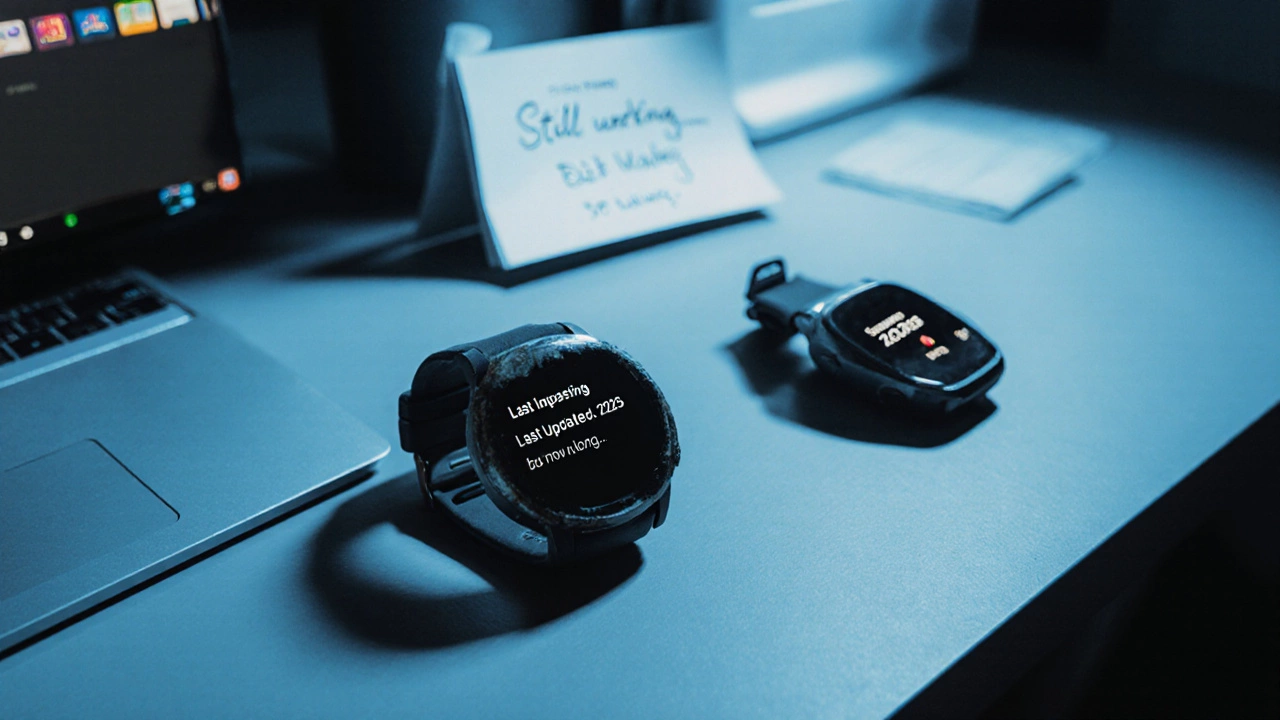
Fitbit isn't disappearing, but Google has stopped releasing new models. Find out if your device still works in 2025, what's replacing it, and whether you should buy one now.
READ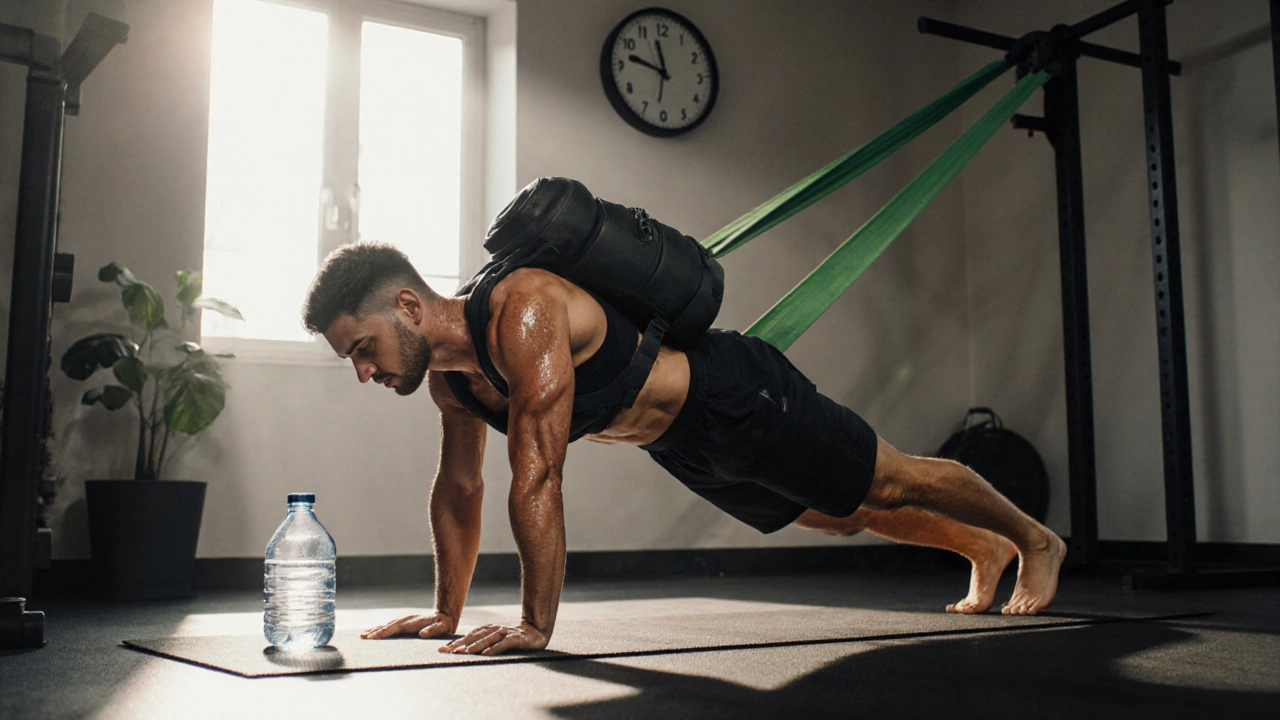
One hour of home workout can be enough to lose weight, build strength, and improve health - if you train with purpose. Learn how to make every minute count without equipment or a gym.
READ
The 8-minute rule for personal training determines how many units you can bill for time-based therapy services under Medicare and most private insurers. Learn how it works, common mistakes, and how to avoid underpayment or audits.
READ
Fitness apps charge high prices not because they're hard to build, but because they sell identity, data, and lifestyle. Here's what you're really paying for - and whether it's worth it.
READ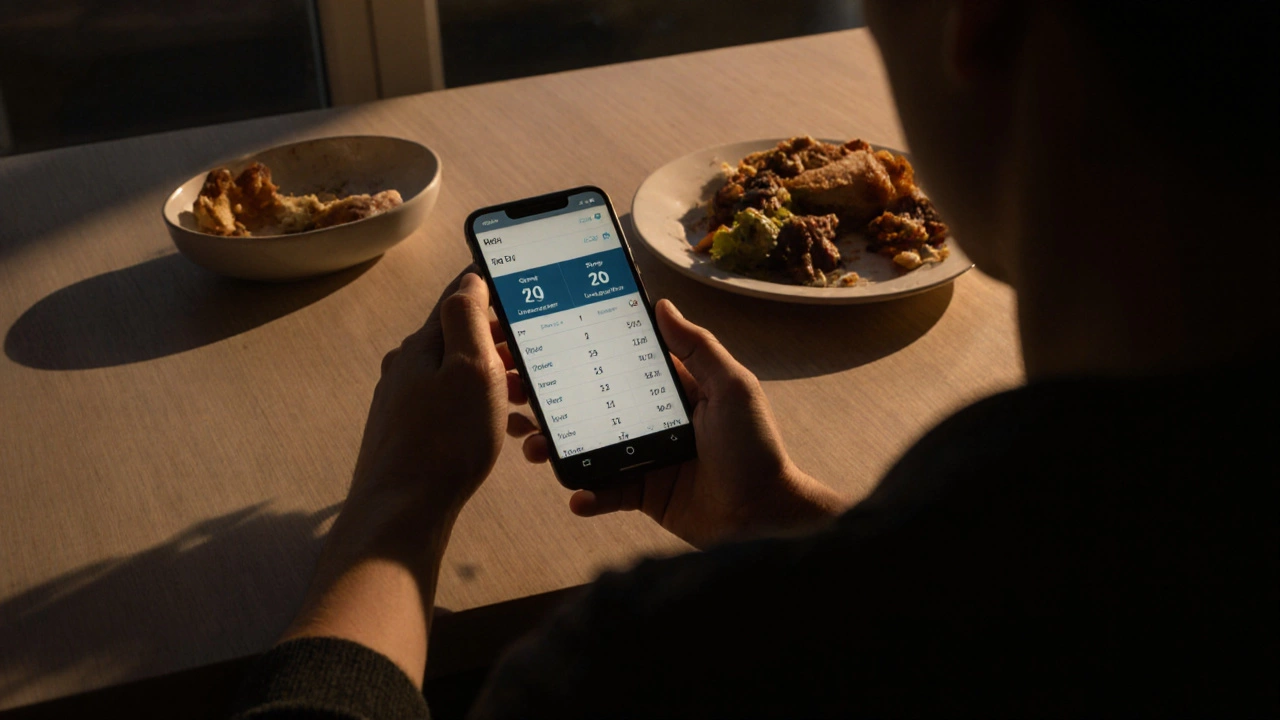
Fitness apps can help you lose weight-but only if you use them to build real habits, not just track numbers. Here’s what actually works, what doesn’t, and how to avoid common pitfalls.
READ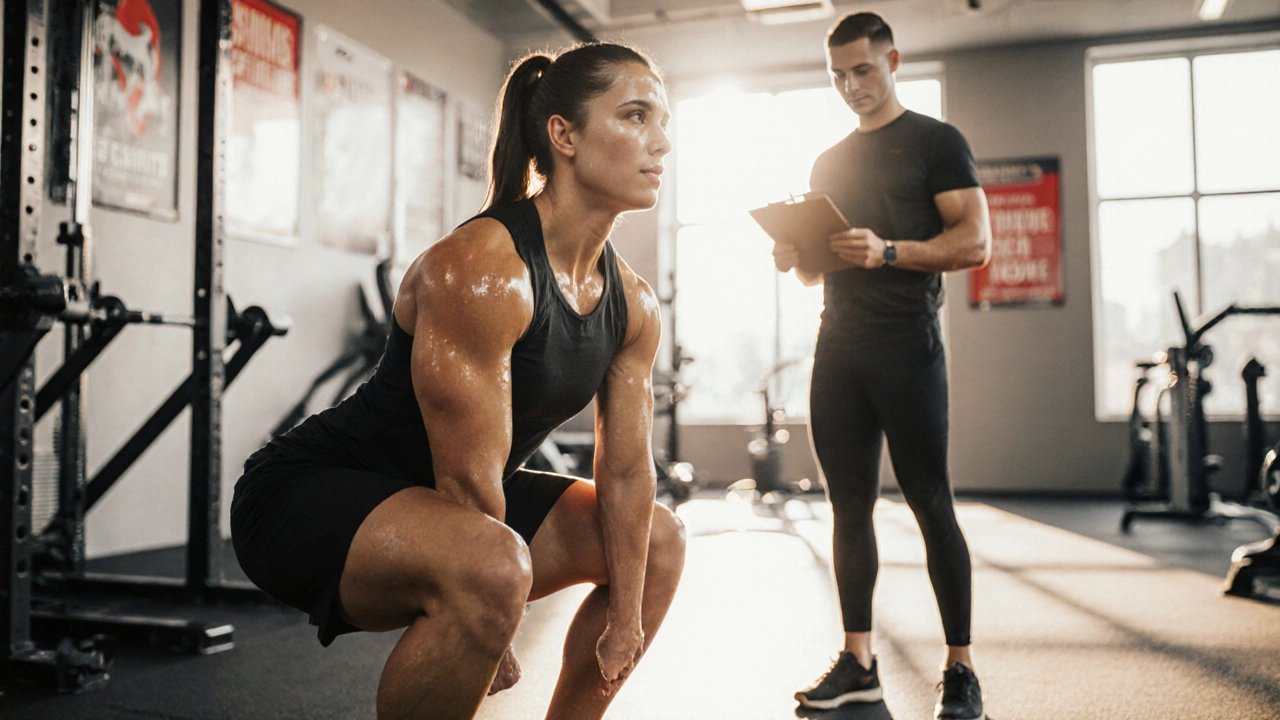
Most people benefit from a personal trainer for 8 to 12 weeks-long enough to build habits, learn proper form, and gain confidence. After that, check-ins every few months keep you on track without overspending.
READ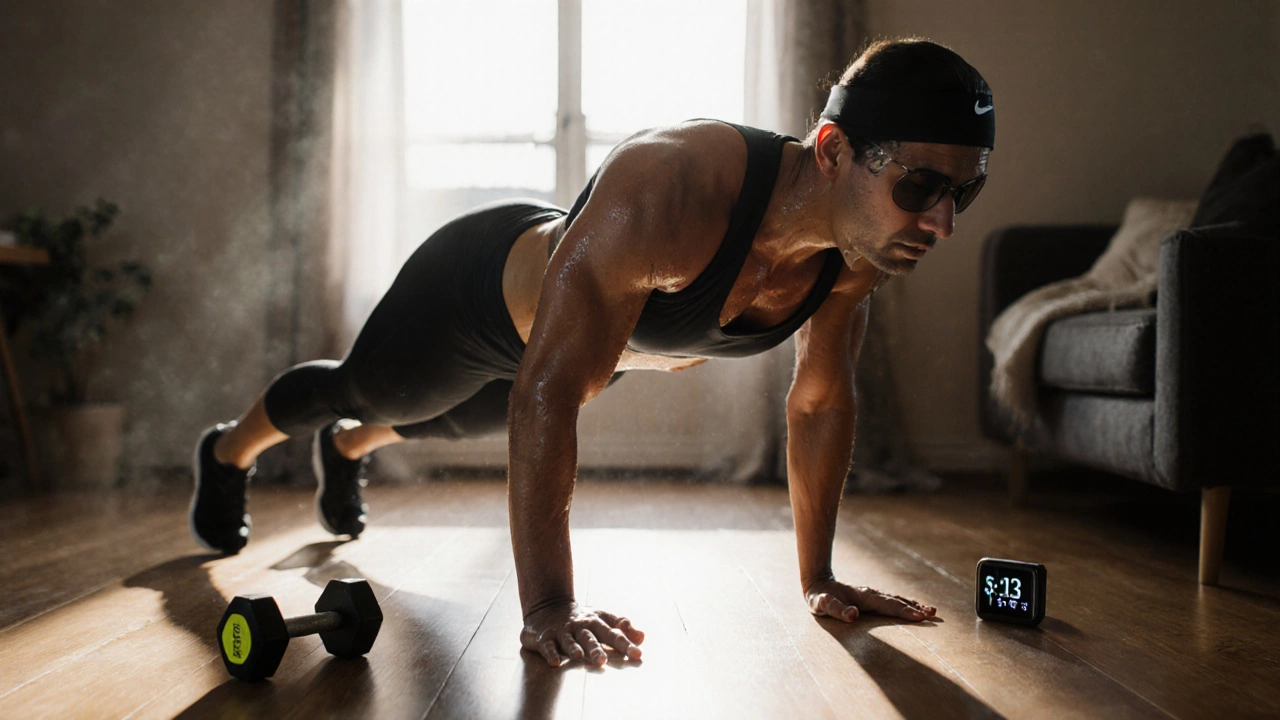
Lose weight fast in 2 weeks with smart cardio workouts and clean eating. No extreme diets-just high-intensity intervals, proper nutrition, and smart recovery to burn fat safely and sustainably.
READ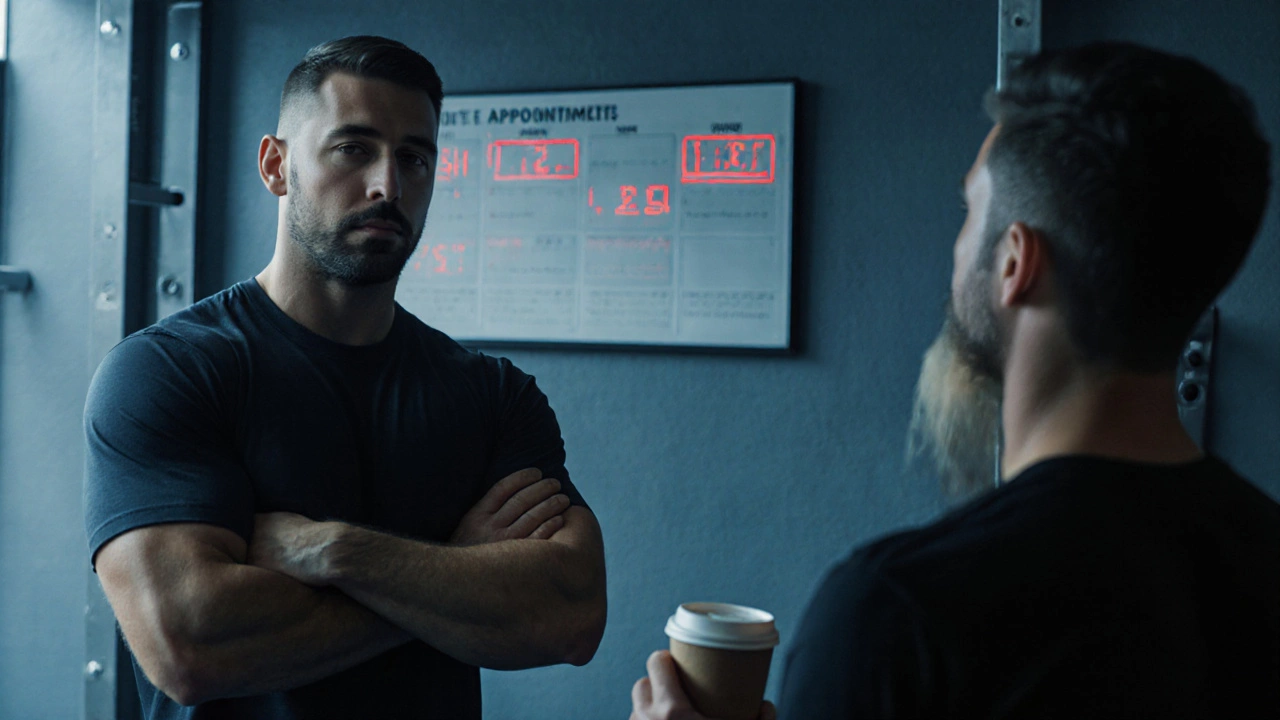
Personal trainers are frustrated by common client behaviors like skipping workouts, ignoring form, and making excuses. Learn what really bothers them-and how to become the kind of client they love working with.
READ
Drinking water while running isn't optional-it's critical for performance and safety. Learn how much, when, and what to drink based on distance, heat, and sweat rate.
READ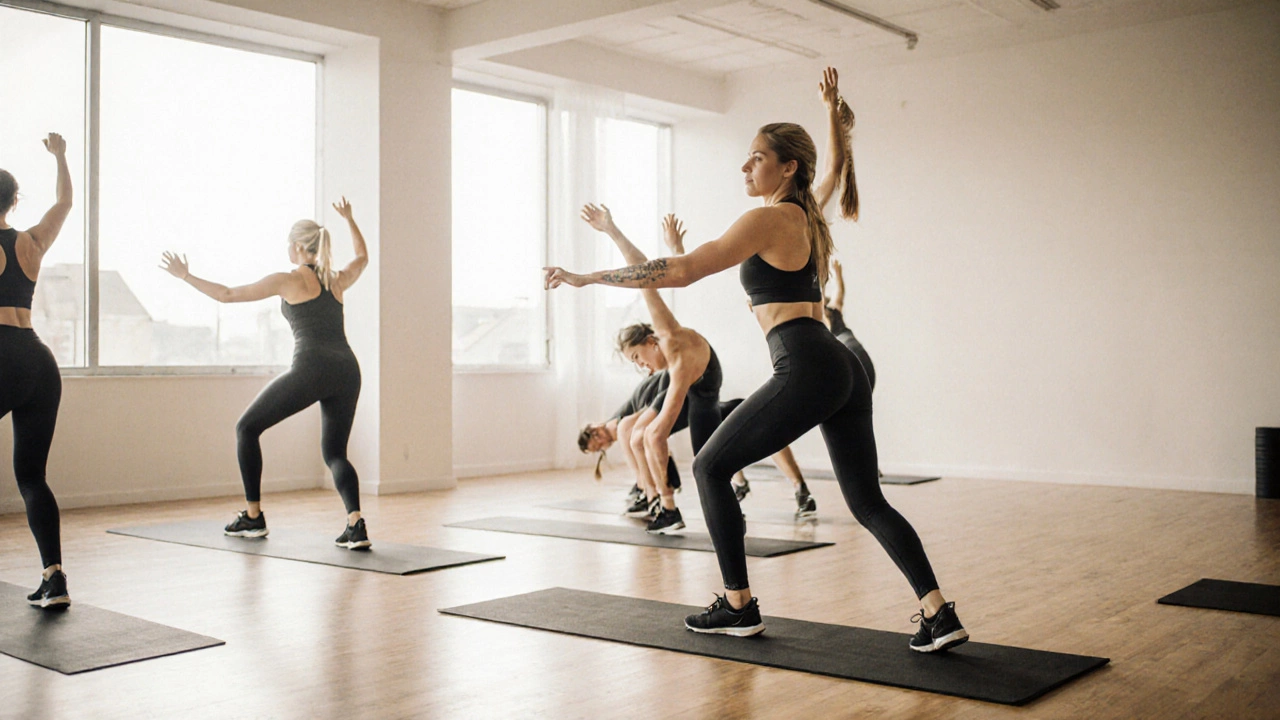
Pilates isn't just stretching or yoga - it's a powerful blend of strength and controlled movement that can also raise your heart rate. Learn how it builds muscle, improves posture, and can count as cardio when done right.
READ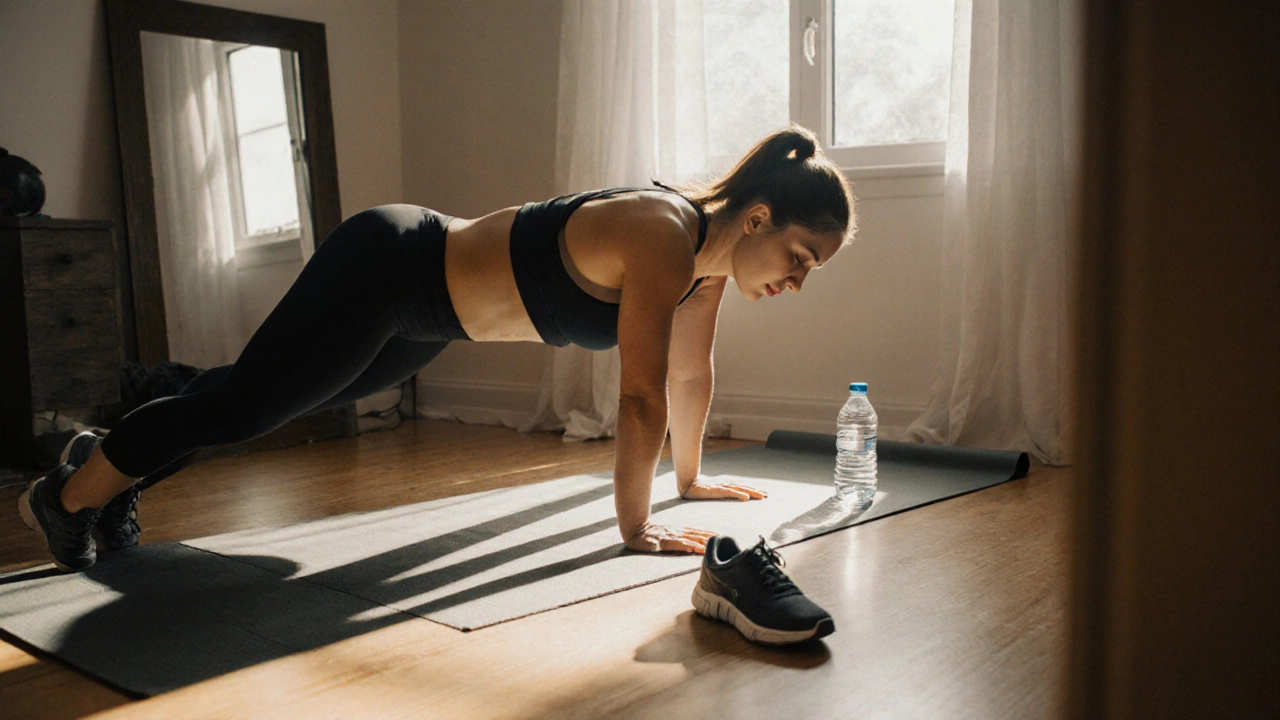
Yes, you can transform your body in 2 months with home workouts-no gym or equipment needed. Learn how to build muscle, lose fat, and feel stronger with a simple 8-week plan backed by science and real results.
READ