Fitbit isn’t disappearing overnight, but if you’ve noticed fewer new models, quieter marketing, or updates that feel slower than before, you’re not imagining things. The company isn’t dead - it’s being reshaped. Google bought Fitbit in 2021 for $2.1 billion, and since then, the focus has shifted from selling hardware to building a health ecosystem. That means Fitbit trackers aren’t being tossed out. They’re being folded into something bigger - and that change is confusing a lot of users.
When Google acquired Fitbit, the goal wasn’t to kill it. It was to use Fitbit’s data, sensors, and user base to strengthen Google’s own health platform. Fitbit still makes devices, but now they’re designed to work better with Android, Google Health, and Wear OS. You won’t see Fitbit competing head-on with Apple Watch anymore. Instead, Google is quietly turning Fitbit into the budget-friendly, battery-efficient health tracker for people who don’t need a smartwatch.
Look at the hardware releases since 2022: the Fitbit Charge 5 in 2021, the Fitbit Inspire 3 in 2022, and the Fitbit Sense 2 in 2022. After that? Silence. No new Charge or Sense models in 2023, 2024, or 2025. That’s not an accident. Google is testing whether users will stick with older Fitbits if the software keeps improving. And so far, they are. Fitbit’s app still gets monthly updates - new sleep stages, stress tracking refinements, and better heart rate algorithms. But the hardware? It’s on hold.
If you own a Fitbit Charge 4, Sense, Versa 3, or Inspire 2, you’re safe for now. Google has confirmed that all Fitbit devices released since 2019 will receive software updates through at least 2026. That includes security patches, app compatibility, and new health features. Even the older Fitbit Ionic, released in 2018, still gets occasional updates.
But here’s the catch: no new Fitbit hardware means no new sensors. That’s important. If you’re using a Fitbit to track atrial fibrillation, blood oxygen, or skin temperature, your device’s accuracy won’t improve after 2025. Newer competitors like Garmin and Oura have added more advanced sensors in the last two years. Fitbit’s tech is still reliable - it’s just not getting better.
Fitbit’s sales have been slipping since 2020. In 2021, Fitbit sold 12 million devices. In 2023, that number dropped to 7 million. Meanwhile, Garmin sold 18 million, and Xiaomi’s Mi Band line sold over 60 million. Fitbit was stuck in the middle - too expensive for budget buyers, not feature-rich enough for serious athletes.
Google realized they didn’t need to keep making Fitbits to keep the data flowing. Most Fitbit users already own one. The real value isn’t in selling more trackers - it’s in keeping those users locked into the Fitbit app and Google Health. That’s why Google now pushes users to upgrade their software, not their device. The Fitbit app can now sync with third-party trackers like Garmin and Apple Watch. You don’t need a Fitbit to use Fitbit’s health insights anymore.
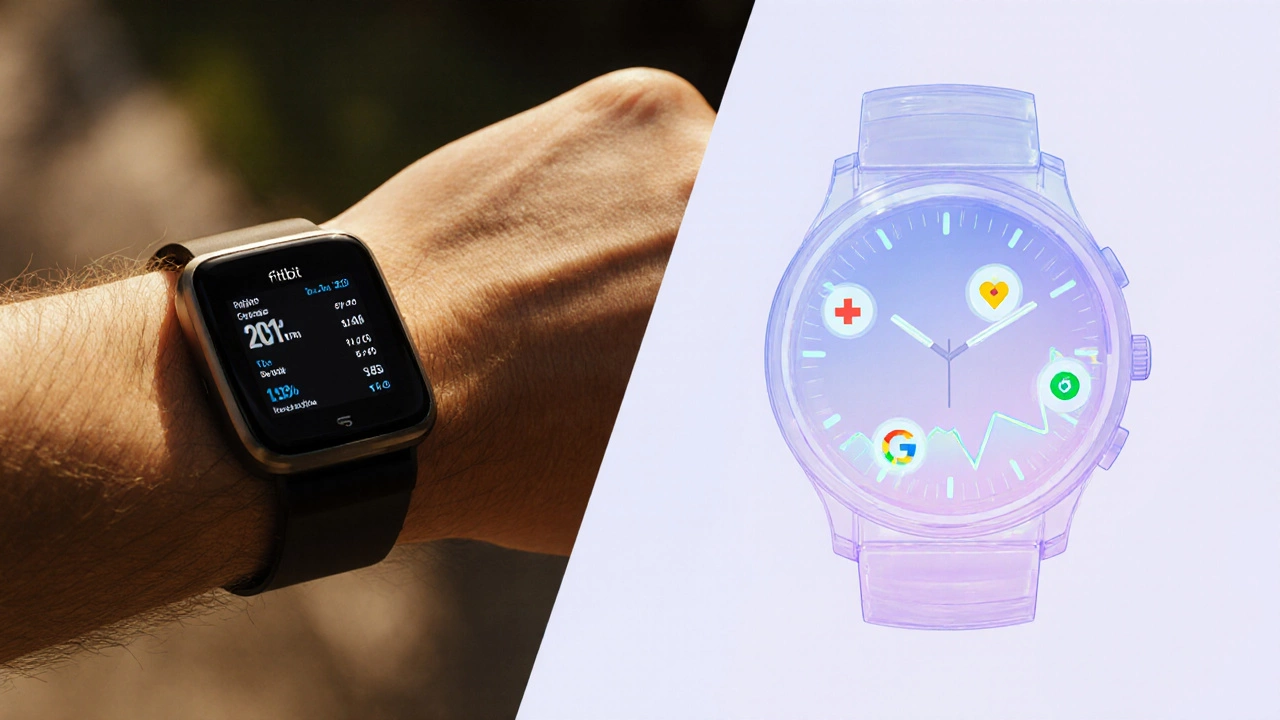
Google’s real play is Wear OS 4 and 5. New smartwatches from Samsung, Fossil, and other partners now run Google’s health stack - the same one that powers Fitbit. That means you can get the same sleep score, stress tracking, and heart rate alerts on a $200 Samsung Galaxy Watch 7 as you do on a $300 Fitbit Sense 2. And those watches have better screens, faster processors, and more apps.
Fitbit’s legacy is now in the software. The algorithms that predict sleep quality, detect irregular heart rhythms, and estimate VO2 max? Those are now part of Google’s core health AI. You’ll see them in future Wear OS watches, Pixel Watches, and even Android phones. Fitbit’s tech lives on - it just doesn’t wear the Fitbit logo anymore.
If you’re looking for a basic activity tracker - step count, sleep tracking, heart rate - then yes. The Fitbit Inspire 3 is still the cheapest reliable option at $99. It lasts up to 10 days on a charge, syncs with Google Fit, and works with iOS and Android. For casual users, it’s still a solid pick.
But if you want advanced health features - like ECG, blood pressure monitoring, or detailed recovery metrics - skip Fitbit. Garmin’s Venu 3 or Apple Watch Series 9 offer more accurate sensors and faster updates. If you’re already deep into Google’s ecosystem (Pixel phone, Android tablet, Google Home), then a Pixel Watch 3 (if it launches) will give you the same Fitbit health tools without the brand.
Fitbit isn’t dead. But it’s not growing either. Buying a Fitbit now means you’re buying a device that won’t get major upgrades. You’re betting that the software will keep working - and that’s a safe bet, for now.
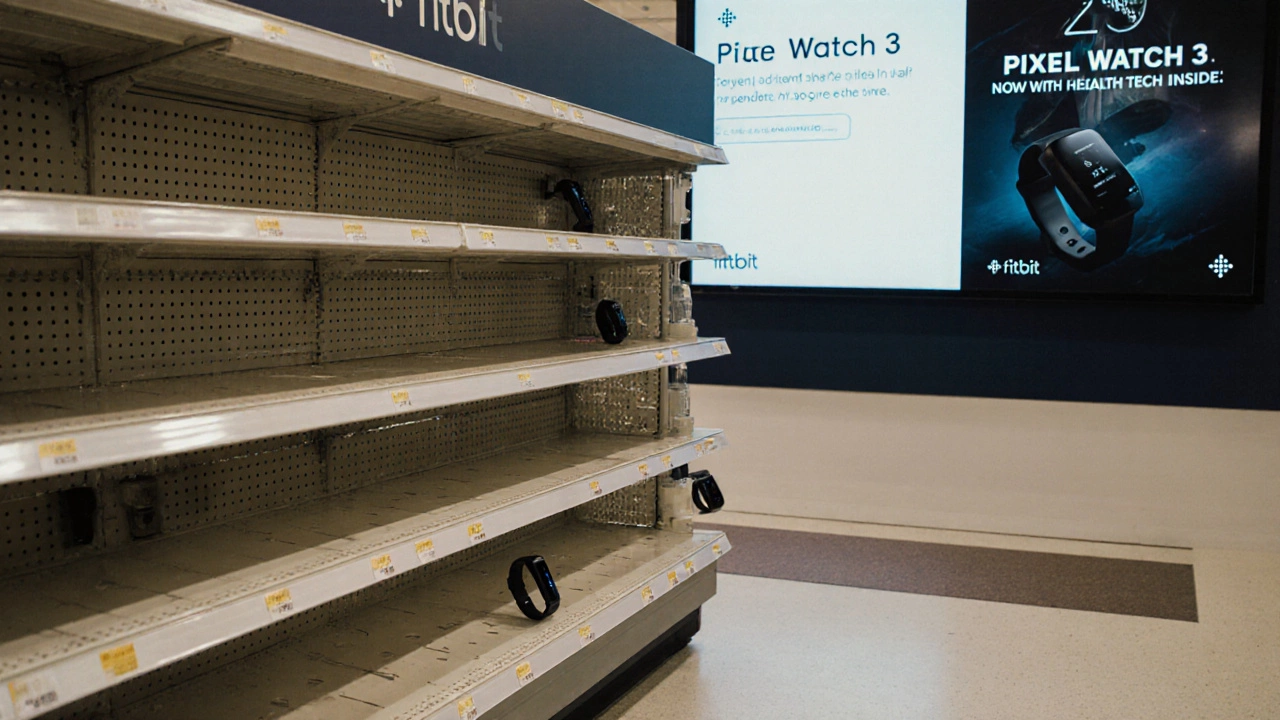
If you’re happy with your Fitbit, keep using it. There’s no need to rush out and replace it. The app will keep working, and your data will stay synced. But start thinking ahead.
Fitbit’s biggest strength was making health tracking simple. That’s still true. But the world around it has changed. The next generation of fitness trackers won’t be called Fitbit. They’ll be called Pixel Watch, Wear OS, or Google Health. And the tech behind them? That’s still Fitbit - just without the logo.
Unlikely. Google has no reason to revive Fitbit as a separate hardware brand. It’s cheaper to build Fitbit’s features into existing Wear OS devices than to design, market, and support a new Fitbit line. The Fitbit name might stick around on a few budget models, but it won’t be the driver of innovation anymore.
Think of Fitbit like the Palm Pilot. It pioneered the category, had a loyal following, and then got absorbed into something bigger. The tech lived on - just not under the same name.
For now, Fitbit remains a functional, affordable tracker. But if you’re planning to buy one, know this: you’re not buying the future. You’re buying the last chapter of a once-dominant brand.
No, Fitbit isn’t being discontinued outright, but Google has stopped releasing new Fitbit hardware since 2022. The brand still exists, and existing devices receive software updates through at least 2026. However, Fitbit is no longer developing new trackers - its technology is being integrated into Google’s Wear OS and Pixel Watch lineup instead.
Yes. All Fitbit devices from 2019 onward - including the Charge 4, Sense, Versa 3, and Inspire 2 - continue to receive software updates, security patches, and app compatibility fixes. Your device will keep tracking steps, sleep, and heart rate. However, sensor accuracy won’t improve, and future health features may only be available on newer smartwatches.
Only if you want a simple, affordable tracker for basic metrics like steps, sleep, and heart rate. The Inspire 3 is still the best budget option at $99, with 10-day battery life and solid app integration. But if you want advanced features like ECG, SpO2 trends, or recovery scores, look at Garmin or Apple Watch instead. Fitbit won’t be adding new sensors.
Yes. Fitbit data already syncs with Google Fit and Google Health. Your sleep scores, heart rate trends, and activity logs can be viewed in Google’s health dashboard. Even if you switch to a non-Fitbit device, you can still access your Fitbit history. Google is moving toward a unified health platform, and Fitbit data is a key part of that.
For budget users: Garmin Vivosmart 5. For advanced health tracking: Garmin Venu 3 or Apple Watch Series 9. Both offer better sensors, faster updates, and more detailed metrics than any current Fitbit. If you use Android and Google services, the Pixel Watch 3 (expected in late 2025) will offer the closest experience to Fitbit - with better performance and more features.