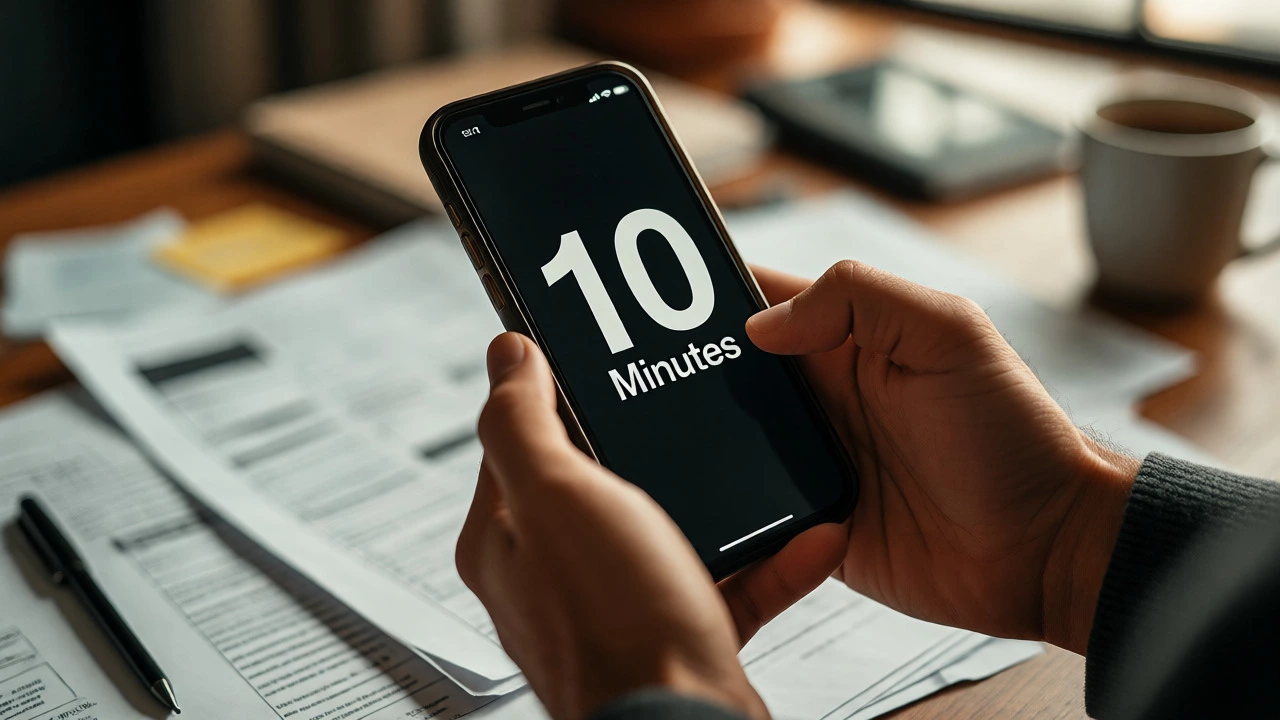
Follow this guided 10-minute routine. It includes a warm-up, a high-intensity work block with rest periods, and a cool-down. No equipment needed.
You stare at your calendar. It’s packed with meetings, errands, and maybe just enough breathing room for a shower. The idea of hitting the gym for an hour feels like a fantasy. So you do nothing. You tell yourself you’ll start Monday. But here is the uncomfortable truth: waiting for the "perfect" time means you never actually move. What if I told you that ten minutes-less than the time it takes to scroll through Instagram or brew a decent coffee-could actually change your physiology? Not in a way that turns you into an Olympian overnight, but in ways that protect your heart, sharpen your mind, and keep your joints from stiffening up.
The question isn’t whether you have time for a workout. It’s whether you believe small efforts add up. They do. Science backs this up, but let’s skip the jargon and look at what actually happens to your body when you commit to 10 minute workout sessions daily.
We’ve been sold a lie by fitness marketing: if you’re not sweating for 60 minutes, it doesn’t count. This all-or-nothing mindset is why most people quit. They think they need a massive block of time to see results. But human biology doesn’t work on an hourly basis; it works on stimulus and recovery. A brief, intense burst of activity triggers hormonal responses similar to longer, moderate sessions. You don’t need endurance training to get metabolic benefits. You need consistency.
Think about brushing your teeth. You don’t brush for two hours once a week. You do it briefly, twice a day. Exercise is hygiene for your cardiovascular system. Skipping it leads to plaque buildup-not just in arteries, but in your energy levels. Ten minutes of movement clears out mental fog and boosts circulation immediately. It’s not about burning calories; it’s about signaling to your body that it needs to stay functional.
When you move for ten minutes, several things kick in almost instantly. First, your blood flow increases. This delivers oxygen to your brain, which explains why you feel sharper after a quick walk or set of push-ups. Second, your mitochondria-the power plants of your cells-get a wake-up call. Even short bouts of exercise improve mitochondrial function, which helps you process energy more efficiently throughout the day.
There is also the psychological effect. Completing a task, no matter how small, releases dopamine. Doing ten minutes of exercise creates a sense of accomplishment that often spills over into other areas of life. You might find yourself choosing a healthier lunch because you already made one good decision. This is called the "small wins" strategy. It builds momentum. You aren’t trying to transform your physique in a week; you are building the habit of showing up.
Not all ten-minute sessions are created equal. If you want to maximize impact, you need intensity. Since you don’t have time for a long warm-up or cool-down, your workout needs to be efficient. Here are three effective approaches depending on your goals:

Let’s look at the trade-offs. People often ask if they should stick to short bursts or try to squeeze in longer sessions when possible. Here is a realistic breakdown of what each offers.
| Feature | 10-Minute Daily Session | 60-Minute Occasional Session |
|---|---|---|
| Consistency Rate | High. Easy to fit into any schedule, reducing excuse-making. | Low. Prone to being skipped due to fatigue or scheduling conflicts. |
| Calorie Burn | Lower per session, but cumulative effect over days is significant. | Higher per session, but fewer total sessions may mean lower weekly burn. |
| Mental Clarity | Immediate boost; acts as a mid-day reset button. | Sustained mood lift, but delayed if done only once a week. |
| Injury Risk | Low, provided form is correct. Less fatigue-induced sloppiness. | Moderate. Longer sessions increase risk of poor form due to tiredness. |
| Habit Formation | Strong. Daily repetition reinforces neural pathways for discipline. | Weak. Irregular frequency makes it hard to establish a routine. |
You don’t need equipment. You don’t need space. You just need a timer. Here is a simple structure that works for almost anyone:
Notice there is no dead time. Every second has a purpose. This efficiency is why short workouts work. You eliminate the procrastination phase of changing clothes, driving to the gym, and finding a machine. You just start.
While ten minutes is powerful, it has limits. Don’t expect to build significant muscle mass or run a marathon with only this routine. If your goal is hypertrophy (muscle growth), you eventually need progressive overload, which usually requires heavier weights and longer sets. However, for general health, weight management, and vitality, ten minutes is sufficient.
Another pitfall is ignoring form. Because you are rushing, you might sacrifice technique for speed. Bad form leads to injury, which stops your progress entirely. Spend the first few weeks going slower to master the movements. Quality beats quantity every time.
Also, beware of the "compensation trap." Some people think, "I did my ten minutes, so I can eat whatever I want." While exercise helps regulate appetite, it doesn’t offset a diet high in processed sugars and saturated fats. Pair your movement with basic nutritional awareness for best results.
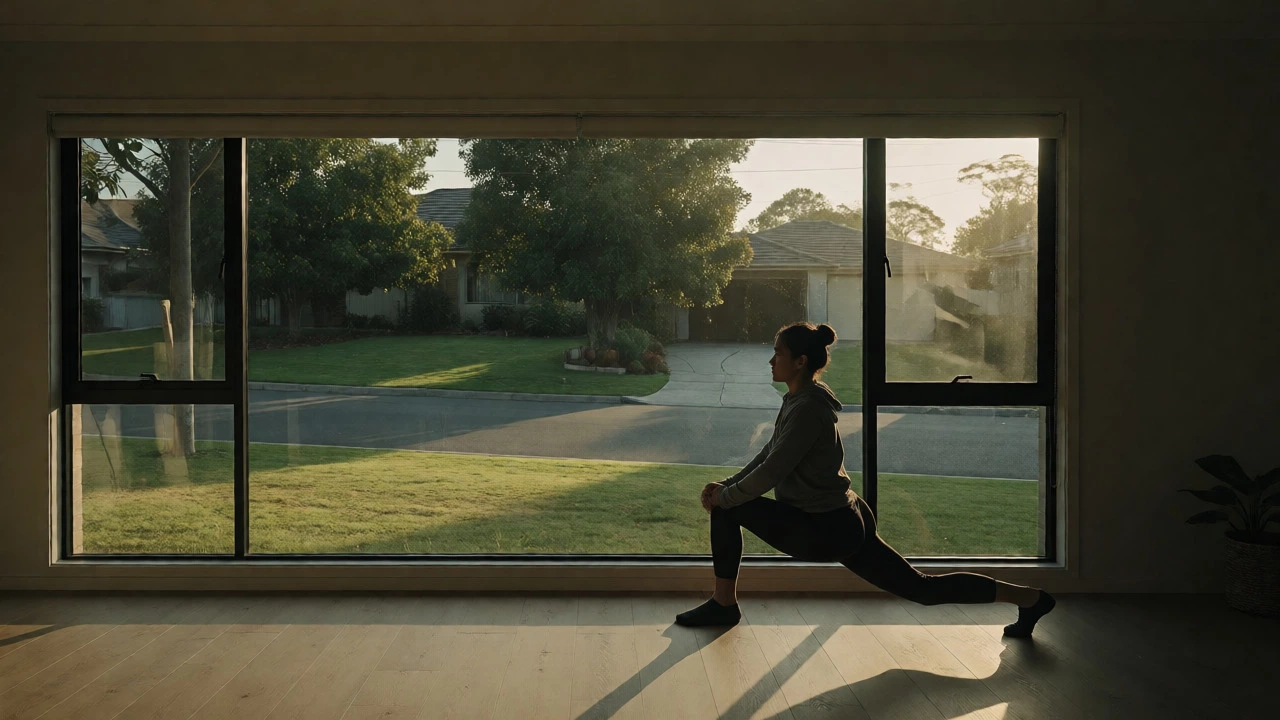
Living in Australia, we have the advantage of outdoor access year-round. But even here, rain or heat waves can disrupt plans. Having a ten-minute indoor backup plan is crucial. Keep a yoga mat rolled up in the corner of your living room. When the urge strikes-or rather, when the alarm goes off-you unroll it and go. No excuses. The barrier to entry is zero.
I’ve seen clients who were skeptical try this approach. They started with just five minutes, then built to ten. Within three months, many reported better sleep and less back pain. They didn’t lose twenty kilograms, but they felt capable again. That feeling of capability is worth more than any scale number.
Yes, but primarily through consistency and metabolic regulation rather than massive calorie burn. Weight loss is mostly driven by nutrition. However, regular short workouts help maintain muscle mass and prevent the metabolic slowdown associated with sedentary lifestyles, making weight management easier.
For general health markers like blood pressure and cholesterol, yes, brisk walking is highly effective. Running burns more calories per minute, but walking is sustainable and low-impact. If you walk briskly for 10 minutes, you still gain significant cardiovascular benefits compared to being sedentary.
Ideally, yes, to build the habit. However, missing a day isn't fatal. The key is not to miss two days in a row. Consistency matters more than perfection. If you are sore or exhausted, swap a HIIT session for gentle stretching to keep the streak alive.
You can split it up. Three sessions of 3-4 minutes spread throughout the day provide similar health benefits. For example, do squats while brushing your teeth, take a stair break at work, and do a plank before bed. Cumulative movement counts.
You will get stronger relative to your starting point, especially if you use bodyweight exercises. Beginners see rapid improvements in muscular endurance and tone. To continue gaining strength indefinitely, you will eventually need to increase resistance or complexity, but 10 minutes is a great foundation.