If you’ve ever tried to start working out at home but gave up after a few days, you’re not alone. Most people fail not because they’re lazy, but because their plan is too vague, too intense, or just doesn’t fit their life. A good 7-day workout plan at home isn’t about crushing yourself every day-it’s about consistency, smart movement, and building a habit that sticks. This plan works whether you’re new to fitness or just need a reset after a busy stretch.
Most workout plans skip days, which feels good in the moment but kills momentum. When you skip, your body forgets what you did. Your brain starts thinking, "I’ll do it tomorrow," and tomorrow turns into next week. A 7-day plan keeps your body engaged every day, but not every day is the same. Some days are for movement, some for recovery, and some for building strength. This rhythm trains your body to move regularly without burning out.
Studies show people who exercise daily-even lightly-are 40% more likely to stick with it long-term than those who do intense sessions only 2-3 times a week. The key isn’t how hard you go. It’s how often you show up.
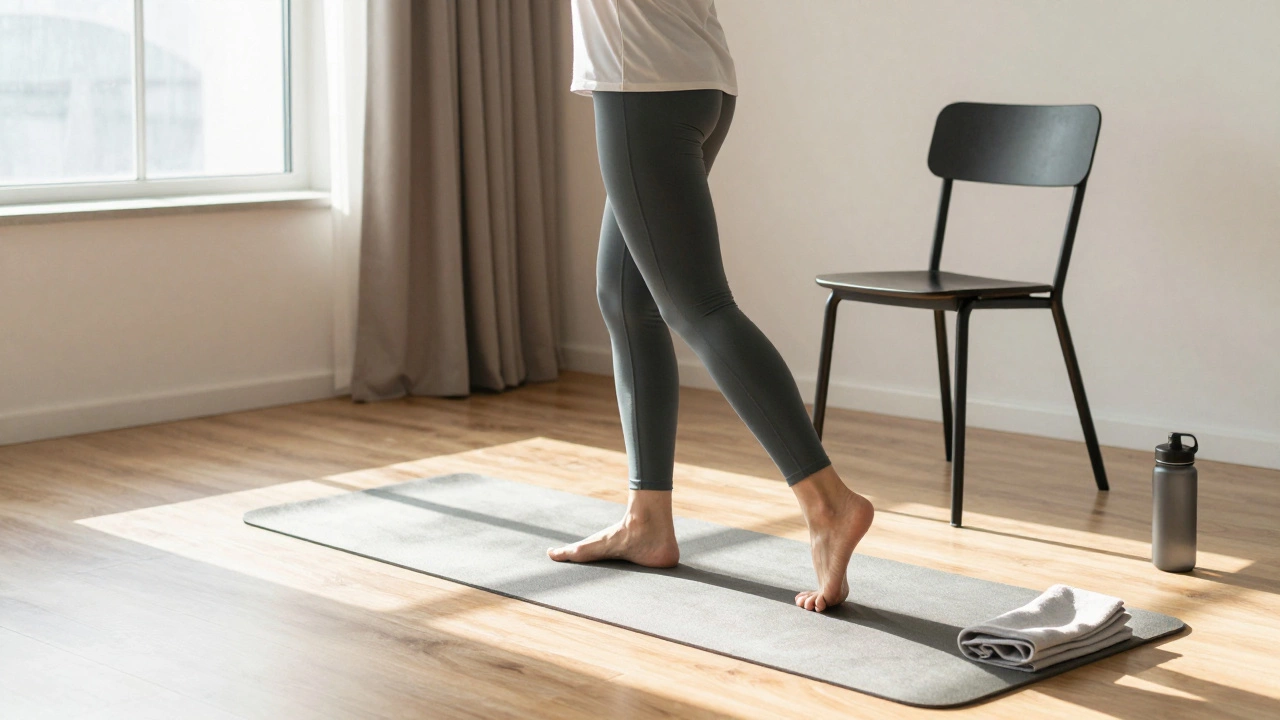
You don’t need a gym membership, dumbbells, or a treadmill. A yoga mat (or a towel on the floor), a sturdy chair, and your body weight are enough. If you have a resistance band, great-but it’s optional. Most of these moves use gravity and your own muscle control. That’s actually better for beginners because it teaches you how to move correctly before adding weight.
Here’s what you’ll use:
This day wakes up your whole body. No heavy lifting. Just movement patterns you’ve probably forgotten.
Rest 30 seconds between each move. Do it all once. That’s it. If you’re out of breath, slow down. Focus on form. This isn’t a test. It’s a reset.
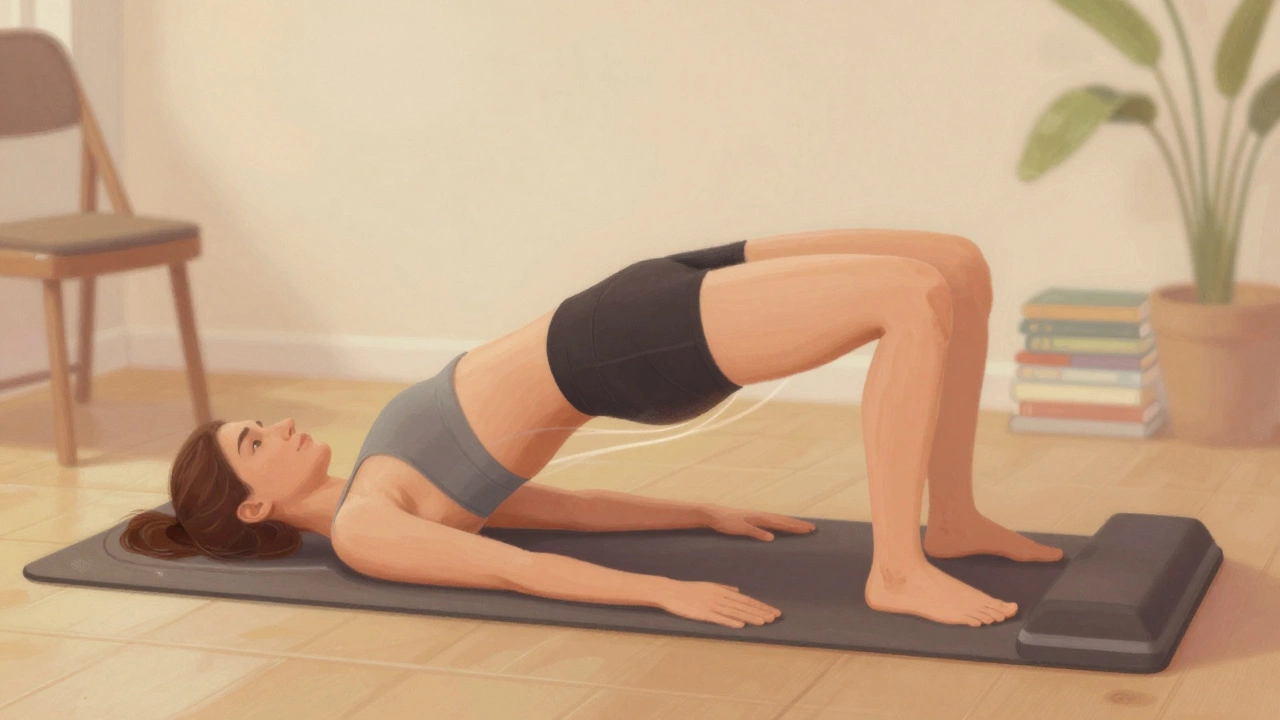
Your spine and hips are probably stiff from sitting. This day fixes that.
Move slowly. Breathe. This isn’t about how many reps you do. It’s about how well you feel your body move.
Legs are your biggest muscle group. Training them boosts metabolism, improves balance, and helps with daily tasks like climbing stairs.
Keep your knees aligned over your toes during squats. Don’t let them cave inward. If you feel your lower back rounding in the bridge, squeeze your glutes harder. That’s the point.
This is not a rest day. It’s a movement day. You’re still working, but your muscles are healing.
Put on music. Drink water. Let your body feel loose. If you’re sore, this is what helps. If you’re not sore, this keeps you ready for the next push.
Push-ups, planks, and rows build the muscles you use to carry groceries, lift kids, or reach for things on high shelves.
If regular push-ups are too hard, stay on the incline. If you can’t hold a side plank, drop your bottom knee. Progress comes from consistency, not from forcing yourself into positions you can’t control.
You don’t need a treadmill to get your heart pumping. This is about moving fast for short bursts.
Go as fast as you can without losing form. If you can’t do jumping jacks, step them out. If mountain climbers hurt your wrists, slow down and focus on the movement. This isn’t about being the fastest. It’s about keeping your heart rate up.
Today, you choose. Do what feels good. Dance to one song. Stretch like a cat. Do a few squats. Walk around the block. Do 10 push-ups just because you can. There’s no structure. No timer. No pressure.
This day is your reward. It’s also your test. If you feel like moving, you’ve built a habit. If you don’t, go back to Day 1 and try again next week. That’s okay. Progress isn’t linear. It’s messy. But showing up-even on Day 7-means you’re learning.
Don’t expect to look like a fitness influencer. But you might notice:
Those are the real wins. The scale doesn’t care about those. But your body does.
People mess this up in the same ways every time:
Forget motivation. It’s unreliable. Build routine. Do the plan even when you don’t feel like it. After three weeks, you won’t have to convince yourself. You’ll just do it.
When Day 7 ends, you have two choices:
Don’t jump ahead. Master the rhythm first. Then add complexity.
No. All exercises use your body weight. A yoga mat helps with comfort, and a sturdy chair can assist with push-ups or dips, but they’re not required. You can do this plan in pajamas with nothing but floor space.
Yes. Modify every move. Do wall push-ups instead of floor push-ups. Step-ups on a low surface. Skip jumps entirely-step instead of jump. Focus on control, not speed. If something hurts, stop. Movement should feel challenging, not painful. Talk to a physical therapist if you’re unsure about specific movements.
Between 20 and 35 minutes. The hardest day (Day 6) might hit 40 minutes. Most days are under 25. The goal isn’t to spend hours. It’s to move consistently. Even 15 minutes a day builds momentum.
Skip the guilt. Just pick up where you left off. If you miss Day 3, do Day 3 when you can. Don’t try to double up. Rest is part of the plan. Missing one day doesn’t ruin progress. Skipping for a week does.
It can, but not alone. This plan builds movement habits and muscle tone, which raises your metabolism. For noticeable fat loss, you’ll need to pair it with better eating habits-like cutting sugary drinks, eating more protein, and not skipping meals. Movement supports weight loss. Diet drives it.
Exercise isn’t punishment. It’s care. This plan isn’t about getting ripped or running a marathon. It’s about making your body feel good enough to enjoy your life. After seven days, you won’t be perfect. But you’ll be stronger than you were before you started. And that’s enough to keep going.