Paste your protein powder's ingredient list or select common ingredients below to see if it passes the "Clean Supplement" test.
If you find Maltodextrin or Sucralose high up in your list, consider switching to a product sweetened with Stevia or Monk Fruit. Also, remember that Collagen is great for joints but lacks the leucine needed for muscle building—don't use it as your primary post-workout protein!
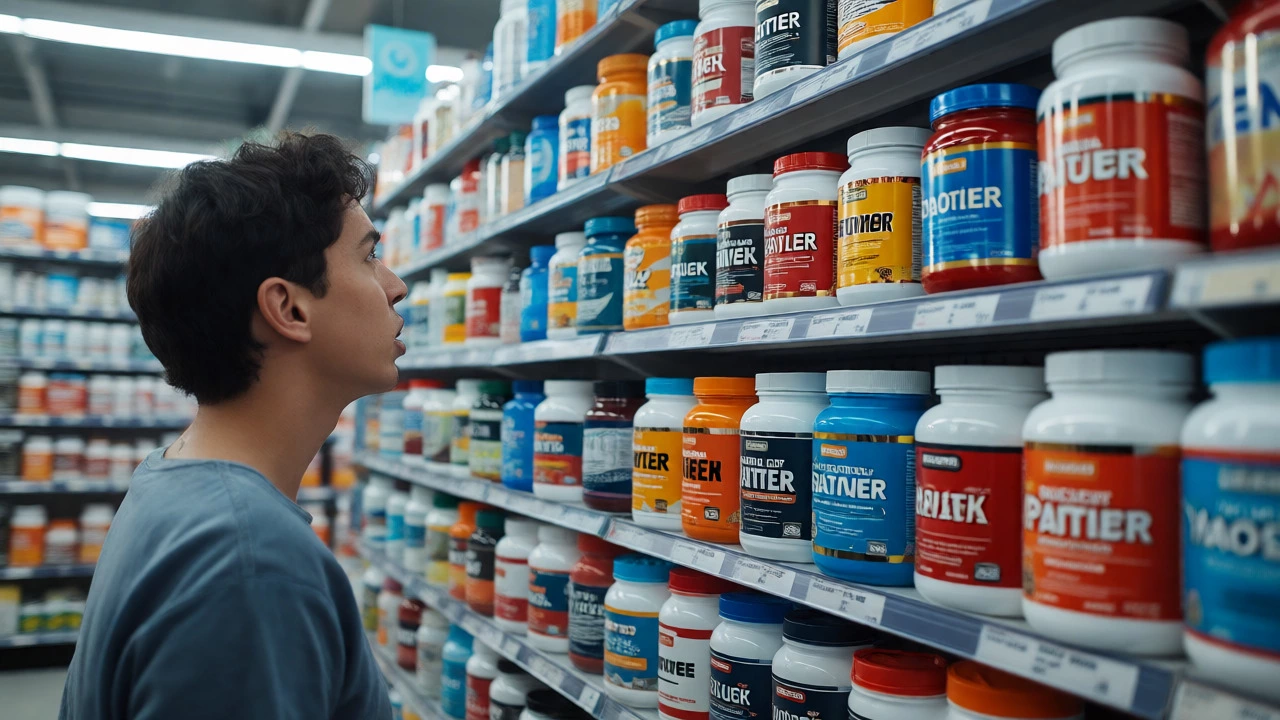
You’re standing in the supplement aisle, staring at a wall of tubs. One says "Mass Gainer," another screams "Plant-Based Isolate," and a third promises "Zero Sugar." It’s overwhelming, right? You just want something that helps your muscles recover without wrecking your gut or spiking your blood sugar. But here is the uncomfortable truth: not all protein is created equal. Some types are basically expensive urine filters, while others can trigger inflammation or hormonal imbalances if you aren’t careful.
If you’ve ever felt bloated after a shake, experienced unexpected acne breakouts, or hit a plateau despite hitting your macros, the culprit might be hiding in plain sight on the label. We aren’t talking about bad brands necessarily; we’re talking about specific protein sources and processing methods that don’t play nice with everyone’s biology. Let’s cut through the marketing noise and look at exactly what you should probably leave on the shelf.
Whey protein is the king of supplements for a reason. It’s cheap, effective, and packed with leucine, the amino acid that kicks off muscle synthesis. But there is a massive difference between Whey Isolate and Whey Concentrate. While concentrate isn’t inherently "bad," it often contains higher levels of lactose and fat. If you have even a mild sensitivity to dairy, this is where things go wrong.
Many people ignore their lactose tolerance until they start chugging 30-40 grams of concentrate daily. The result? Gas, bloating, and that heavy feeling in your stomach that makes you skip your afternoon workout. Worse, low-quality concentrates are sometimes derived from cows treated with antibiotics or given synthetic growth hormones (rBGH). In Australia, our regulations are strict, but imported powders can vary wildly. If you notice skin issues or digestive distress, try switching to a Grass-Fed Whey Isolate, which has the lactose and fats stripped out. It costs more, but your gut will thank you.
Soy has been the go-to plant protein for decades. It’s complete, meaning it has all essential amino acids. However, most commercial Soy Protein Isolate comes from genetically modified organisms (GMOs) unless explicitly labeled organic and non-GMO. The processing required to turn soybeans into a fine powder involves harsh chemicals like hexane, which leaves trace residues.
Beyond the processing, there’s the phytoestrogen debate. Soy contains isoflavones, which mimic estrogen in the body. For most men, moderate consumption is fine. But if you’re drinking multiple servings a day, some studies suggest potential impacts on testosterone levels and thyroid function. I’ve seen clients swap whey for soy to save money, only to find themselves feeling sluggish. If you prefer plant-based options, pea protein or hemp protein usually offer better digestibility without the hormonal baggage associated with heavy soy intake.
| Protein Type | Primary Concern | Best Alternative |
|---|---|---|
| Whey Concentrate | Lactose intolerance, acne, bloating | Whey Isolate or Hydrolysate |
| Soy Isolate | GMOs, phytoestrogens, digestion | Pea Protein or Brown Rice Protein |
| Casein | Dairy sensitivity, slow digestion | Micellar Casein (if tolerant) or Plant Blend |
| Egg White Powder | Avidin content (binds biotin) | Pasturized Egg Whites or Pea Protein |
Sometimes the protein itself is fine, but what they add to make it taste like chocolate milkshake ruins it. Check the ingredient list for Artificial Sweeteners like aspartame, sucralose, or acesulfame potassium. These ingredients are notorious for disrupting gut bacteria. Your microbiome plays a huge role in nutrient absorption and immunity. Wrecking it with fake sugars can lead to insulin resistance over time, defeating the purpose of a health-focused diet.
Then there are the fillers. Maltodextrin is a common one. It’s technically a carbohydrate, but it has a high glycemic index. Manufacturers use it to bulk up the scoop size and improve texture. If you’re trying to lose weight or manage blood sugar, a protein shake with 5-10 grams of maltodextrin per serving is essentially sneaking in hidden carbs. Look for products sweetened with Stevia or Monk Fruit instead. They provide sweetness without the metabolic spike.
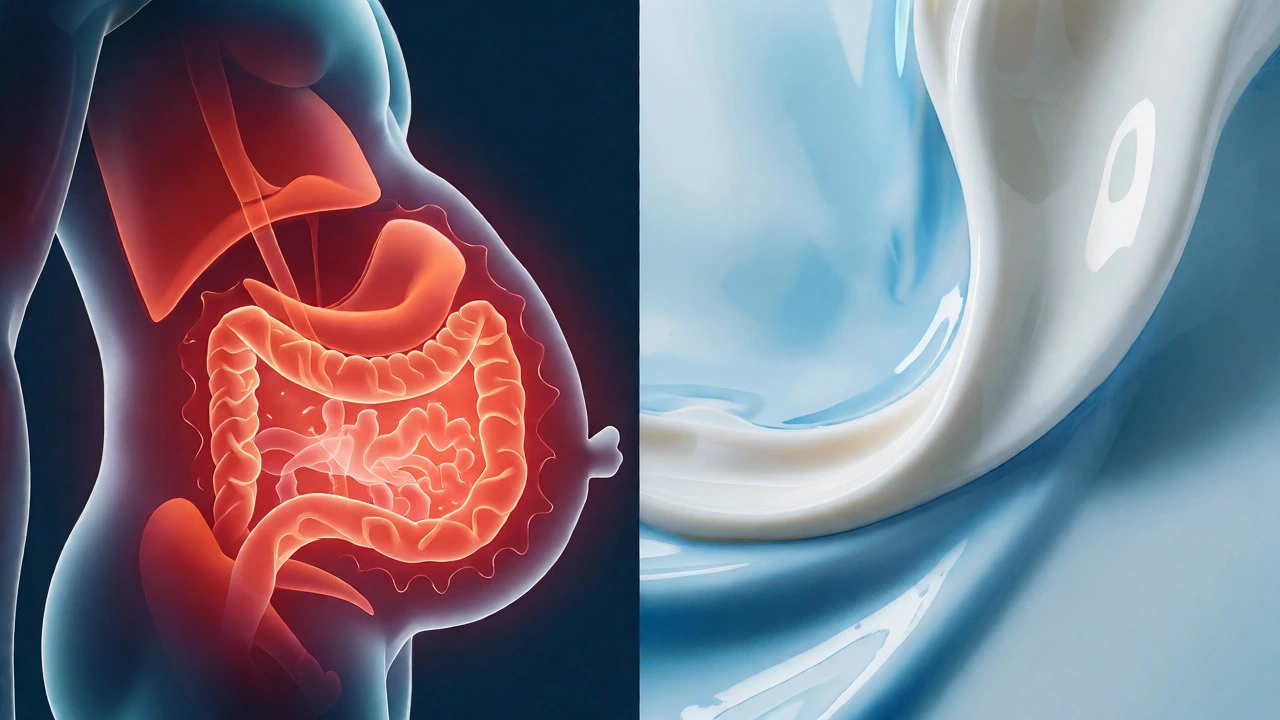
Collagen peptides are trending hard right now. And for good reason-they support skin, hair, nails, and joints. But here is the critical error people make: treating collagen as a primary muscle-building protein. Collagen is an incomplete protein. It lacks tryptophan and has very low amounts of branched-chain amino acids (BCAAs), specifically leucine, which is crucial for triggering muscle protein synthesis.
If you replace your post-workout whey shake with a collagen shake, you are likely under-fueling your muscles. Think of collagen as a supplement for connective tissue, not a replacement for dietary protein. Keep it as an add-on to your morning coffee or smoothie, but ensure your main meals and post-workout nutrition still come from complete sources like meat, fish, eggs, or high-quality plant blends.
You don’t need a PhD in nutrition to spot trouble. Here is a quick checklist before you buy:
Living in Perth, I appreciate access to fresh food, but convenience wins when you’re busy. Still, never sacrifice quality for speed. A bad protein shake can cause inflammation that takes days to settle down, interrupting your training consistency.
For healthy individuals, no. Studies show that high protein intake does not damage kidneys in people with normal renal function. However, if you have pre-existing kidney disease, consult your doctor before increasing protein intake significantly.
Bloating is usually caused by lactose in whey concentrate, artificial sweeteners like sucralose, or thickeners like xanthan gum. Switching to a lactose-free isolate or a plant-based protein often resolves this issue quickly.
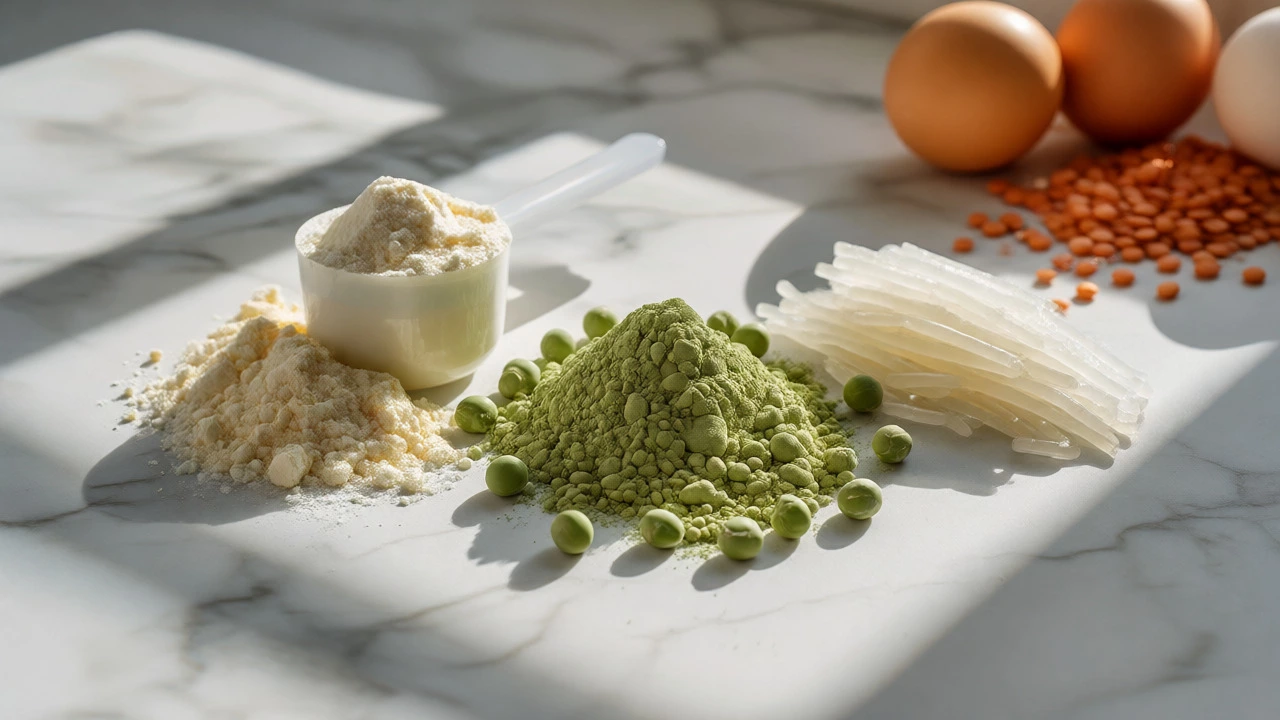
Not necessarily. While single-source plant proteins may lack certain amino acids, blends (like pea and rice combined) create a complete profile. They are also easier on the environment and often gentler on digestion for those with dairy sensitivities.
No, if you tolerate dairy well. Casein digests slowly, making it excellent for overnight recovery. Avoid it only if you are lactose intolerant or sensitive to dairy proteins, as it can cause significant digestive discomfort in those groups.
Proprietary blends hide the exact dosage of each ingredient. Companies might load the blend with cheap fillers like maltodextrin and list small amounts of expensive ingredients first alphabetically to appear potent. Always choose transparent labels.
So, what do you do now? First, audit your current supply. Read the labels. Are you using whey concentrate with artificial sweeteners? Do you rely on soy isolates? Next, test alternatives. Buy a small bag of grass-fed whey isolate or a reputable pea protein blend. Monitor how you feel for two weeks. Note any changes in energy, digestion, or skin clarity.
Remember, the best protein is the one your body absorbs efficiently. There is no point in forcing down a product that causes inflammation or digestive chaos. Prioritize whole foods whenever possible-chicken, fish, lentils, and eggs are always superior to powders. Use supplements to fill gaps, not to replace real meals. And if you’re unsure, talk to a dietitian who understands sports nutrition, not just general health. Your body is unique, and your protein choice should reflect that.