You step onto a mat, roll it out, and immediately feel a wave of intimidation. You’ve seen the Instagram photos: people folded into pretzels, balancing on one hand while holding a plank with their feet, or staring serenely into the void. Now you’re just trying to touch your toes without pulling a hamstring. It’s a common scenario. If you are new to movement practices that require flexibility and balance, the sheer variety of yoga styles can feel overwhelming. Vinyasa sounds too fast. Ashtanga looks like a workout from hell. So, what is the actual answer? What is the easiest type of yoga for someone who has never done it before?
The short answer is usually Hatha Yoga. But the real answer depends on what kind of "easy" you need. Do you need easy because you want to move slowly? Or do you need easy because you want precise instructions so you don’t get hurt? Let’s break down the landscape of beginner-friendly yoga so you can pick the right starting point without wasting time or energy.
When most gyms or studios offer a "Beginner Yoga" class, they are almost always teaching Hatha Yoga. This isn’t by accident. Hatha is a broad category that refers to any physical practice of yoga, but in modern Western fitness contexts, it specifically denotes a slow-paced, static style.
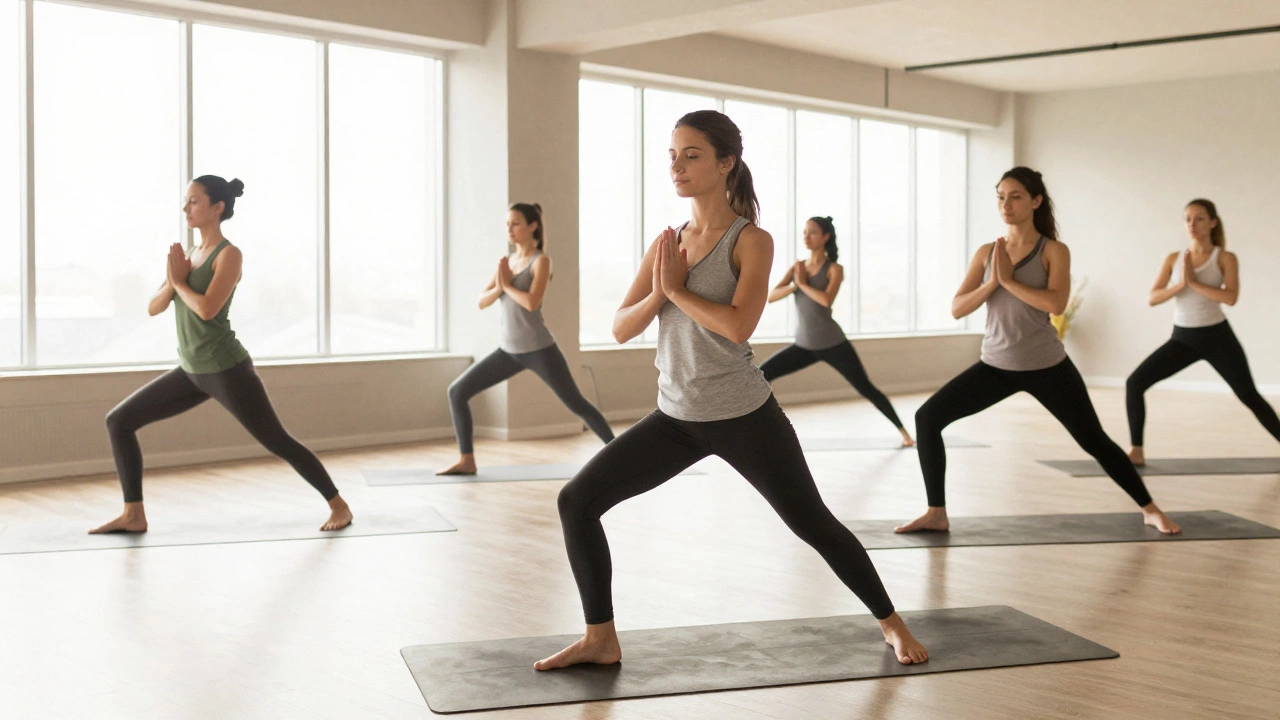
In a typical Hatha class, you hold poses for several breaths-sometimes up to five or ten seconds per side. There is no rushing through sequences. The teacher will cue you into a pose, give you time to adjust, and then cue you out. This pause is crucial for beginners. It gives your brain time to process where your limbs should be and allows your muscles to engage correctly rather than jerking into position.
Hatha focuses on alignment and basic strength. You’ll spend a lot of time in foundational postures like Mountain Pose (Tadasana), Warrior II (Virabhadrasana II), and Downward-Facing Dog (Adho Mukha Svanasana). Because the pace is deliberate, you have the mental bandwidth to listen to your body. If something hurts, you have time to back off. In faster styles, that window of opportunity closes in seconds.
If Hatha is the generalist, Iyengar Yoga is the specialist. Founded by B.K.S. Iyengar, this style is obsessed with anatomical precision. It is often cited as the best option for people who are stiff, injured, or simply confused about how to align their bodies.
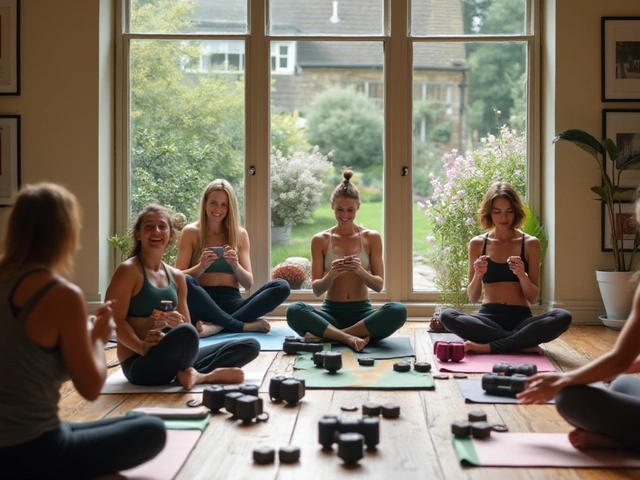
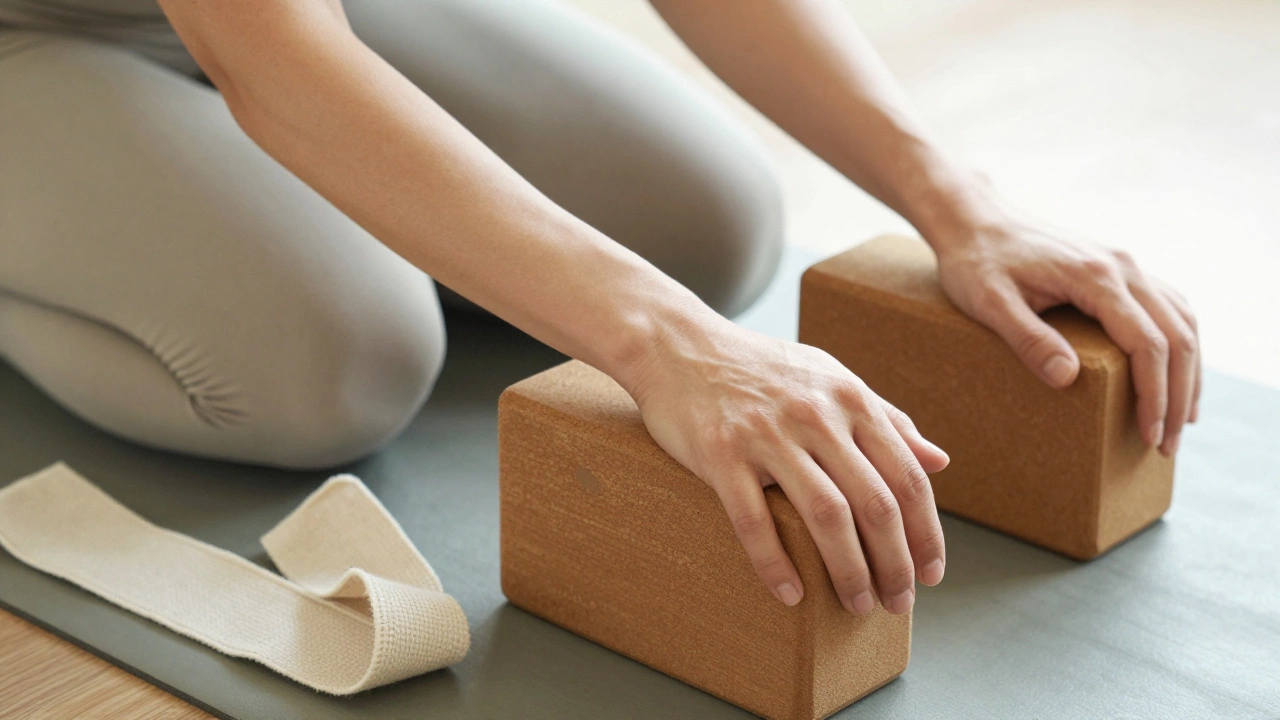
The defining feature of Iyengar yoga is the use of props. You will see blocks, straps, bolsters, and chairs everywhere. These aren’t there because you’re "weak." They are tools to bring the floor to you. For example, if you can’t reach the ground in a forward fold, you use blocks to create a shorter distance. This allows you to experience the stretch in your hamstrings without rounding your back incorrectly.
For a beginner, Iyengar can feel incredibly safe. The teacher will walk around the room adjusting students, offering tactile cues to help you find the correct muscle engagement. However, be aware that Iyengar classes can be intense in their own way. Holding a simple Triangle Pose (Trikonasana) for two minutes requires significant core stability and focus. It’s easy in terms of complexity, but demanding in terms of endurance.
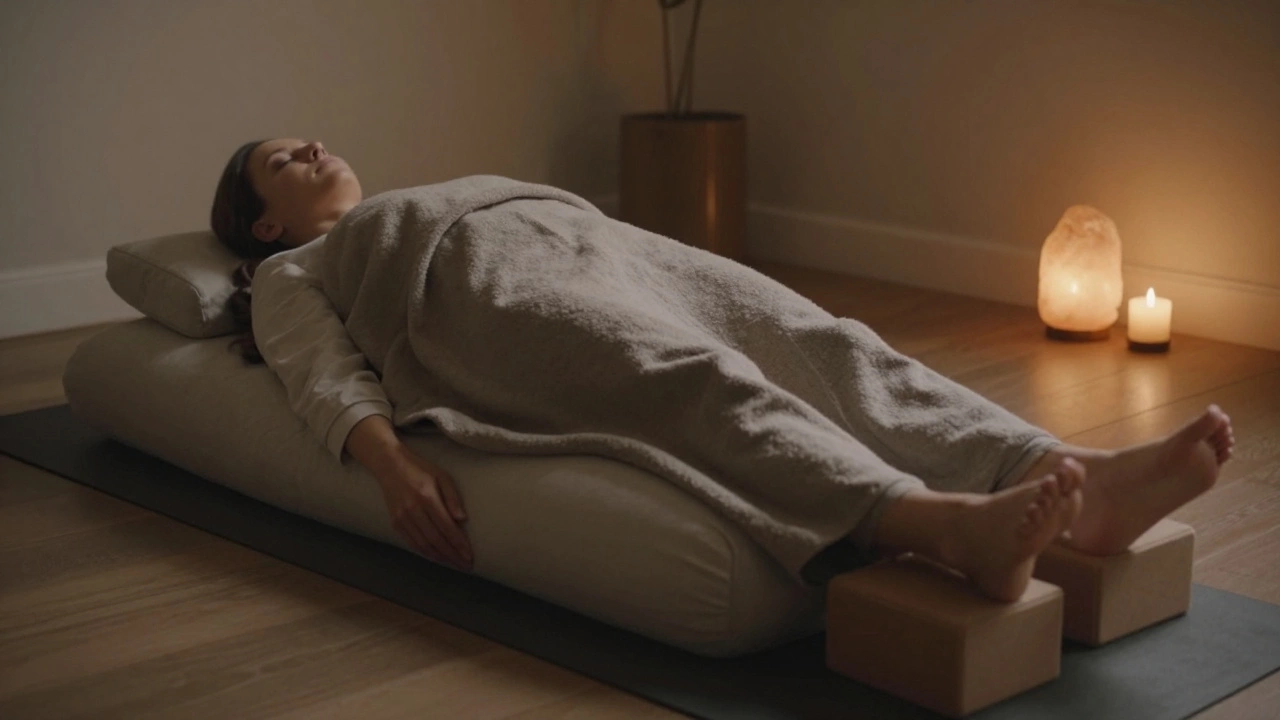
If your definition of "easy" means "I want to relax and not sweat," then Restorative Yoga is your destination. This style is less about exercise and more about nervous system regulation. You might only do three or four poses in an entire hour-long session.
In Restorative yoga, every pose is fully supported by props. You might lie over a bolster with your legs resting on blocks, or sit against a wall with a blanket under your head. The goal is to trigger the parasympathetic nervous system-the "rest and digest" mode. There is no effort required to hold the pose; gravity does the work for you.
This is an excellent choice if you are dealing with high stress, anxiety, or chronic fatigue. It teaches you how to be still, which is a skill in itself. However, it won’t build much strength or flexibility quickly. Think of it as a maintenance practice rather than a training program.
| Style | Pace | Props Used | Primary Benefit | Best For |
|---|---|---|---|---|
| Hatha | Slow/Moderate | Minimal | Alignment & Basics | Absolute beginners |
| Iyengar | Very Slow | Extensive | Precision & Injury Rehab | Stiff or injured practitioners |
| Restorative | Static | Full Support | Relaxation & Stress Relief | High stress or fatigue |
| Vinyasa (Gentle) | Moderate Flow | None | Coordination & Cardio | Active beginners |
You will see Vinyasa Yoga advertised everywhere. It’s popular, it’s energetic, and it often involves music. Many beginners gravitate toward it because it feels like a dance. However, standard Vinyasa is rarely the *easiest* place to start.
Vinyasa links movement with breath. You inhale to arch, exhale to fold. The challenge is that you have to memorize the sequence while coordinating your breathing and maintaining balance. For a novice, this cognitive load is high. You might forget the next pose, miss your breath, and fall over. It’s not dangerous, but it can be frustrating.
That said, look for classes labeled "Slow Flow" or "Gentle Vinyasa." These classes strip away the complex transitions and keep the movements simple. They are a good bridge between Hatha and more active styles. If you hate sitting still, a gentle flow might keep you engaged better than a static Hatha class.
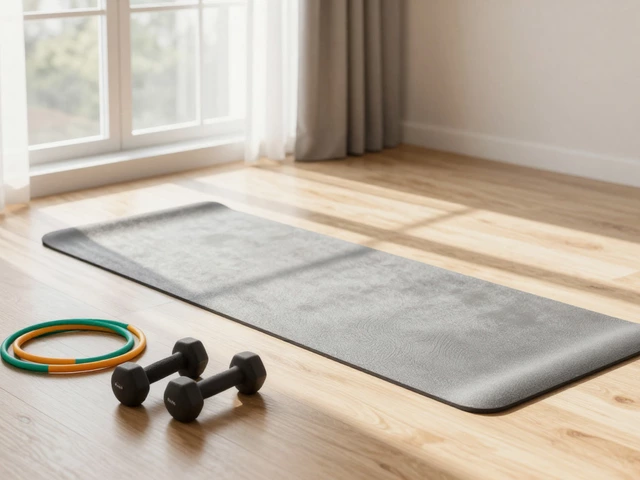
One barrier to entry for yoga is the perception that you need expensive gear. You don’t. To start, you really only need two things:
As mentioned with Iyengar, props are helpful. You can buy foam blocks and cotton straps, but household items work fine initially. Two sturdy books can replace blocks. A long belt or scarf can act as a strap. Don’t let a lack of equipment stop you from trying a pose.
Finding the right instructor is just as important as choosing the right style. Here is a practical checklist for evaluating a beginner class:
Even in the easiest yoga style, mistakes happen. Here is how to stay safe and make progress:
Don’t Compare Yourself to Others. Yoga is internal. The person next to you might have been practicing for ten years. Their flexibility doesn’t matter to your journey. Focus on your own breath and sensation.
Listen to Pain vs. Discomfort. Stretching should feel like a strong pull or mild ache. Sharp, shooting, or pinching pain is a warning sign. Stop immediately. Yoga should never cause injury.
Breathe. It sounds obvious, but beginners often hold their breath when a pose gets hard. If you can’t breathe freely, you are pushing too far. Back off until your breath becomes smooth again.
Consistency Over Intensity. Doing 15 minutes of Hatha yoga three times a week is better than one intense 90-minute session once a month. Your nervous system needs repetition to learn new patterns.
Once you’ve identified Hatha or Iyengar as your starting point, commit to trying it for four weeks. Give your body time to adapt. After a month, reassess. Do you crave more movement? Try a gentle Vinyasa. Do you need more relaxation? Add a Restorative session on weekends.
Yoga is not a competition. It’s a tool for understanding your body. The "easiest" yoga is the one you can actually show up for consistently. Start small, be patient with yourself, and trust the process.
Yes, Hatha yoga is often recommended for back pain because it moves slowly and emphasizes proper spinal alignment. However, you must inform your teacher about your condition. They can provide modifications, such as keeping your knees bent in forward folds, to protect your lower back. Iyengar yoga is also an excellent choice due to its heavy use of props for support.
You can, but it comes with risks. Without feedback, you may reinforce bad alignment habits that lead to injury. If you practice at home, use high-quality video tutorials from certified instructors. Stick to basic poses and avoid advanced inversions or deep twists until you have a solid foundation. Consider taking a few in-person classes first to learn the basics.
Aim for 2-3 times per week. This frequency allows your muscles to recover while building consistency. Shorter sessions (15-20 minutes) are better than long, infrequent ones. As your body adapts, you can increase the duration or intensity. Listen to your body; some days you may need restorative yoga instead of active practice.
No, flexibility is a result of yoga, not a prerequisite. Yoga is designed to improve flexibility over time. If you are stiff, you will benefit even more from the practice. Use props like blocks and straps to modify poses so you can participate safely regardless of your current flexibility level.
Hatha is slower and focuses on holding poses statically, allowing time for alignment adjustments. Vinyasa links movement with breath in a continuous flow, which requires more coordination and memorization. For absolute beginners, Hatha is generally easier because it reduces the cognitive load of remembering sequences while learning basic postures.