Tap the workout types to add them to your week. Aim for a mix of high-intensity days and recovery days. Then enter your details to see how many calories a typical week could burn.
Ever downloaded a fitness app, watched three videos, and then let it gather digital dust? You’re not alone. The market is flooded with options, but FitOn is a popular mobile application that provides free, on-demand video workouts led by professional athletes and celebrities. It stands out because you don’t need any equipment to start, and the core library is genuinely free. But does "free" mean "limited"? And can it actually help you build muscle or lose weight without a gym membership?
Here’s the short answer: FitOn is one of the best entry points into consistent exercise if you struggle with motivation or cost barriers. It’s less about hardcore strength programming and more about accessible, guided movement that fits into a busy life. If you’re looking for a personal trainer in your pocket who won’t judge your form or charge $100 an hour, this might be your match.
Let’s clear up the biggest confusion first: Is FitOn really free? Yes, mostly. Unlike many competitors that lock 90% of their content behind a paywall, FitOn gives you access to thousands of workouts at no cost. This includes cardio sessions, yoga flows, HIIT routines, and even some strength training basics. You can use the app indefinitely without entering credit card details.
The free tier covers:
So, what’s missing? The free version doesn’t include personalized meal plans, advanced AI-based workout adjustments, or exclusive celebrity-led masterclasses. Those are reserved for the premium subscription. But for most people just starting out, the free content is robust enough to build a habit.
One thing FitOn does better than almost any other app is leveraging fame. The platform partners with A-list celebrities like Jennifer Lopez, Kourtney Kardashian, and Dwayne "The Rock" Johnson. At first glance, this sounds like marketing fluff. But there’s a psychological benefit here.
When you follow a routine designed by someone you admire, the barrier to starting feels lower. It’s easier to commit to a 30-minute session when you know "J.Lo" is guiding you through it. These aren’t just gimmicks; many of these trainers have real backgrounds in fitness or wellness. For example, the HIIT sessions often feature high-energy instructors who keep the pace brisk, which helps maintain engagement during those tough middle minutes of a workout.
However, don’t expect Hollywood perfection. The production quality is high, but the focus is on accessibility. The cameras are positioned so you can clearly see foot placement and hand positioning, which is crucial for home workouts where you don’t have a coach watching over your shoulder.
I’ve tested various categories on FitOn, and the experience varies significantly depending on the type of workout. Here’s what to expect:
HIIT and Cardio: These are the stars of the show. The pacing is well-edited, with clear cues for transitions. If you’re new to HIIT, the app offers modified versions of moves, which is a lifesaver. You can switch between standard and low-impact versions with a tap. This makes it suitable for beginners and those recovering from injuries alike.
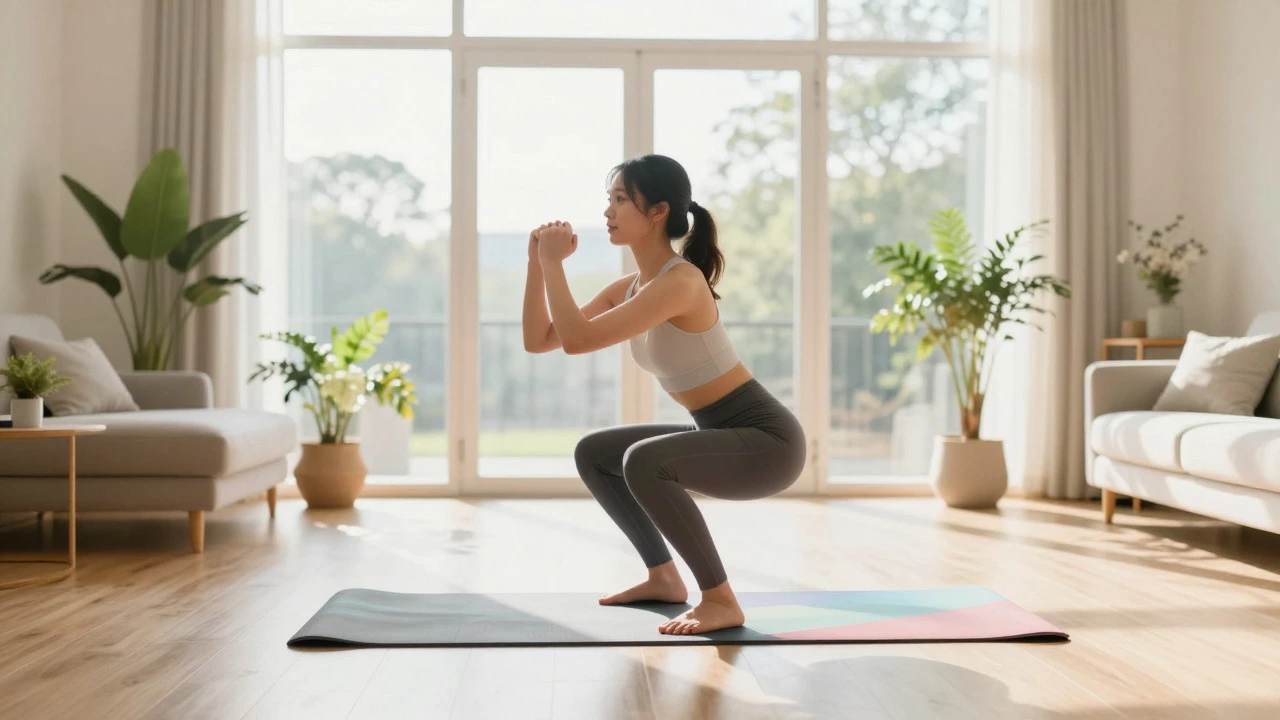
Strength Training: This is where opinions split. The free strength workouts are great for bodyweight exercises like push-ups, squats, and lunges. However, if you have dumbbells or resistance bands, the app sometimes assumes you do, while other times it strictly limits you to bodyweight. The premium tier offers more structured strength programs that progress over weeks, which is valuable if you’re trying to build muscle systematically.
Yoga and Mobility: The yoga section is diverse, ranging from gentle morning stretches to intense power yoga. The instructors vary in voice and style, so you can find one that resonates with you. Some users prefer the calm, meditative approach, while others like the faster-paced vinyasa flows. Both are available.
You can’t understand FitOn without comparing it to its main rivals: Peloton App is a subscription-based service offering live and on-demand classes across cycling, running, strength, and yoga, and Nike Training Club is a free app that provides science-backed workout plans and nutrition tips.
| Feature | FitOn | Peloton App | Nike Training Club |
|---|---|---|---|
| Free Tier Availability | Extensive (Most workouts) | Limited (Few free classes) | Comprehensive (All workouts) |
| Primary Focus | Home Fitness & Celebrity Trainers | Live Classes & Hardware Integration | Structured Plans & Brand Ecosystem |
| Equipment Needed | Optional (Bodyweight focused) | Varies (Some require bikes/bands) | Minimal (Bodyweight focused) |
| Personalization | AI-based (Premium) | Manual Selection | Goal-Based Plans |
| Best For | Beginners & Budget-Conscious Users | High-Energy Live Followers | Athletes & Nike Loyalists |
FitOn wins on price and accessibility. If you want to try different types of workouts without committing to a $13/month subscription, it’s hard to beat. Peloton excels if you thrive on live community energy and don’t mind paying for it. Nike Training Club is excellent for structured, progressive programming but lacks the entertainment value of celebrity-led content.
FitOn Premium costs around $8-$10 per month, depending on billing cycles. Does it justify the cost? It depends on your goals.
You should consider upgrading if:
If you’re self-disciplined and happy picking random videos from the free library, stick with the free version. Many users stay on the free tier for months before deciding if they need the extra structure.

Even with a good app, you can still fail to reach your goals. Here are the most common mistakes I see people make with FitOn:
FitOn is ideal for:
Yes, FitOn has a substantial free tier that includes access to most video workouts, basic tracking, and community features. You only need to pay for Premium if you want personalized meal plans, advanced AI insights, and structured multi-week programs.
No, most workouts are designed for bodyweight only. However, some optional variations use dumbbells, resistance bands, or stability balls. The app will indicate if specific equipment is recommended for a particular session.
Yes, you can download workout videos for offline viewing. This is useful if you have spotty internet connection or want to save data. Just remember that offline mode works best for pre-downloaded content, so plan ahead if you’re traveling.
FitOn offers structured programs, progress tracking, and a unified interface, whereas YouTube is a collection of independent creators. FitOn’s advantage is consistency and integration with health metrics, while YouTube offers unlimited variety and no subscription cost at all.
Yes, especially if you combine HIIT and cardio workouts with the nutritional guidance available in the Premium tier. Weight loss requires a caloric deficit, and FitOn helps you manage both sides of the equation: burning calories through exercise and controlling intake through meal planning.