Check the factors that apply to your current pre-run routine to see your potential risk level and get a personalized recommendation.
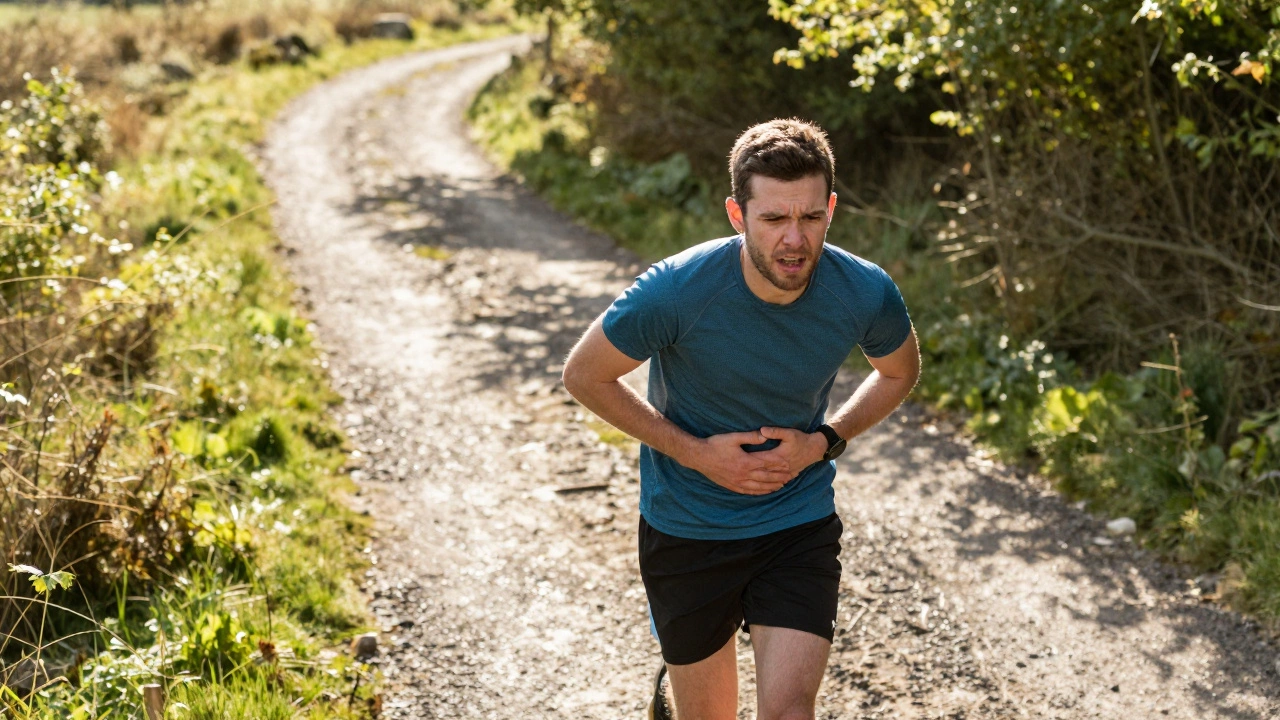
Dealing with this can be frustrating, especially when it ruins a great training session or, worse, a race day. But the good news is that once you understand why your gut reacts this way to movement, you can tweak your habits to stop it from happening.
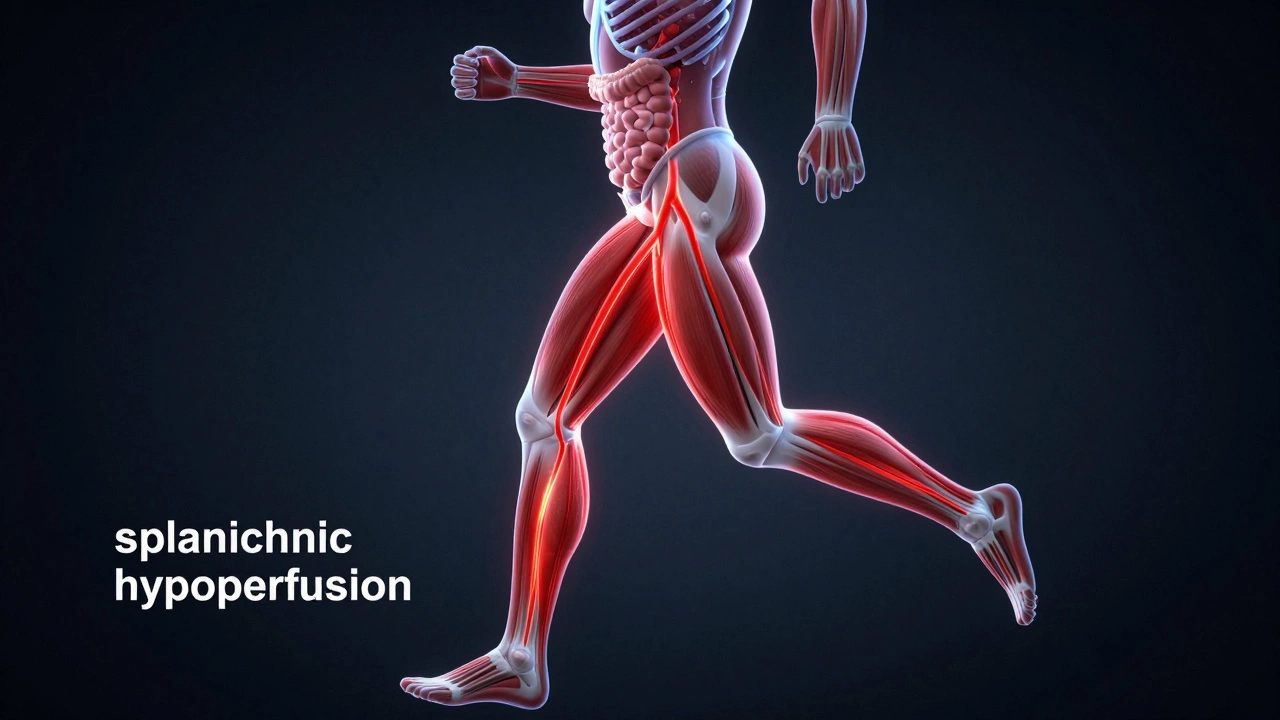
To fix the problem, we have to look at what's happening inside. When you run, your body enters a state of high demand. Your legs need oxygen and nutrients, so your heart pumps more blood to your quadriceps and calves. To make this happen, your body performs a process called splanchnic hypoperfusion. Essentially, it pulls blood away from your digestive tract to fuel your muscles.
When Runner's Belly is a condition formally known as Exercise-Induced Gastrointestinal Syndrome (EIGS), characterized by nausea, abdominal pain, and urgent bowel movements during or after physical activity., your gut is effectively operating on a "low power mode." Because there is less blood flow and oxygen in the intestines, the gut lining can become permeable. This "leaky gut" effect allows bacteria and toxins to seep into the bloodstream, which triggers an inflammatory response. This is why you might feel sudden cramping or nausea even if you ate something healthy hours ago.
Mechanical jarring also plays a role. Running is a high-impact activity. Your internal organs are literally bouncing up and down with every stride. This physical agitation can stimulate the bowels and push waste toward the exit much faster than usual, leading to that panicked search for a restroom.
Not every runner suffers from this, and often, it's a combination of physiology and the choices we make before we lace up. If you're experiencing frequent issues, look at these common culprits:
| Trigger Food/Drink | Why it causes issues | Better Alternative |
|---|---|---|
| Whole grain pasta (Pre-run) | High insoluble fiber | White rice or sourdough bread |
| Large glass of orange juice | High fructose/acidity | Water or diluted electrolyte drink |
| Dairy-based protein shakes | Lactose sensitivity during exercise | Plant-based protein or almond milk |
| Coffee on an empty stomach | Stimulates colon motility | Small piece of toast with coffee |
Just like you train your lungs and legs, you can train your digestive system to handle the stress of running. This is called "gut training." The goal is to teach your body to absorb nutrients and manage blood flow more efficiently while under physical stress.
Start by practicing your race-day nutrition during your long weekend runs. Don't try a new gel brand for the first time on the morning of a marathon. Use your training runs to experiment with different types of carbohydrates. If you plan to take 30g of carbs per hour during a race, start by taking 10g and gradually increase it over several weeks. This allows your gut to increase the number of glucose transporters in the intestinal wall, making absorption smoother and reducing the risk of distress.
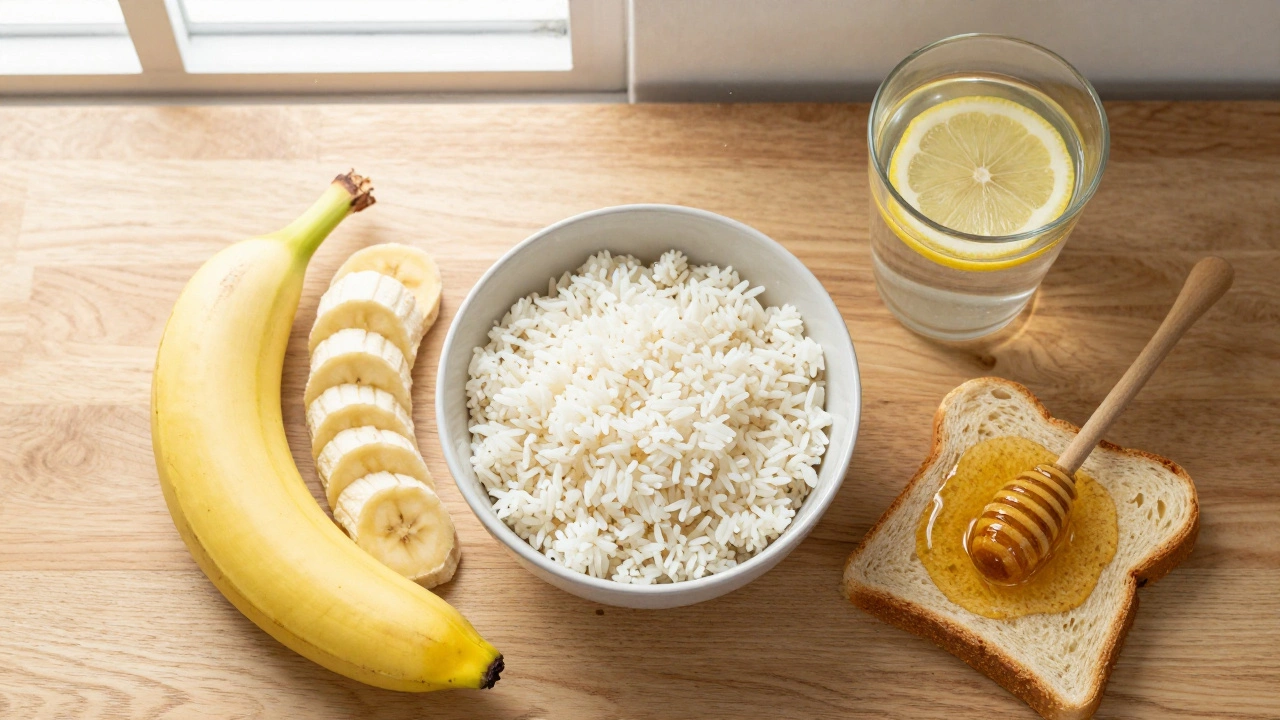
Timing is also everything. The general rule of thumb is to finish your last large meal 3 to 4 hours before you start. This gives your stomach enough time to empty its contents into the small intestine. If you need a snack closer to the start, stick to simple, low-fiber carbohydrates like a banana or a piece of white toast with honey. These are absorbed quickly and don't leave much residue in the colon.
Water isn't just for quenching thirst; it's the lubricant for your entire digestive process. When you are dehydrated, the lining of your gut becomes more susceptible to damage. This is where Electrolytes, which are essential minerals like sodium, potassium, and magnesium that regulate fluid balance and nerve function, come into play.
Sodium is particularly important. It helps the body absorb glucose and water in the small intestine via the sodium-glucose co-transporter. If you drink only plain water while sweating heavily, you risk hyponatremia and a sluggish gut. Using a balanced electrolyte drink helps maintain the osmotic balance, preventing the "sloshing" feeling in the stomach and reducing the likelihood of sudden urgency.
While most cases of runner's belly are benign and related to diet or physiology, some symptoms might point to something more serious. If you experience blood in your stool, severe weight loss, or pain that doesn't go away after you stop running, it's time to see a doctor. You might be dealing with Irritable Bowel Syndrome (IBS), which is a common gastrointestinal disorder that affects the large intestine, causing cramping, abdominal pain, bloating, and diarrhea. In these cases, a general running tip won't be enough; you'll need a clinical approach to manage your triggers.
Additionally, be careful with medications. Many runners reach for NSAIDs like ibuprofen to handle joint pain. However, these drugs can inhibit prostaglandins that protect the stomach lining. Taking them before a run can significantly increase the risk of gastric leakage and inflammation, making a mild runner's belly much worse.
To keep your gut in check, follow this simple routine the day before and the morning of your run:
While you can't change your basic anatomy, you can significantly reduce or eliminate symptoms. By training your gut with specific nutrition during long runs and avoiding trigger foods like high-fiber vegetables or excessive dairy before a race, most runners find they can manage the condition entirely.
If it's mild cramping related to your nutrition, you can usually push through by slowing your pace. However, if you feel sharp pain, nausea, or dizziness, it's better to stop. Pushing through severe gastrointestinal distress can lead to further inflammation of the gut lining.
They can, but not necessarily because of the ingredients. It's usually because they are too concentrated. When you take a gel without enough water, it pulls fluid from your blood into your intestines to dilute the sugar, which causes a rapid flush of water through the colon, resulting in diarrhea.
Avoid "heavy" fibers (beans, cruciferous vegetables), high-fat foods (fried chicken, heavy cream sauces), and new foods you've never tried before. Also, be cautious with artificial sweeteners containing sugar alcohols (sorbitol), as they have a natural laxative effect.
Yes. Proper hydration keeps the digestive process moving smoothly. Conversely, severe dehydration slows down gastric emptying, which can lead to a feeling of "heaviness" and nausea, while the resulting lack of blood flow to the gut can make the intestinal lining more permeable and sensitive.