
Based on research: Daily 20-minute yoga sessions consistently show benefits in 2-6 months. Your results may vary based on consistency.
Ever wonder if 20 minutes of yoga a day can actually change your life? Let's find out.
A 2018 study published in the Journal of Alternative and Complementary Medicine tracked 60 adults with high stress levels. Those who did yoga a practice combining physical postures, breathing techniques, and meditation for 20 minutes daily for eight weeks saw a 15% drop in cortisol the body's main stress hormone. Lower cortisol means better stress management and improved sleep quality.
Another study from the University of California, San Francisco in 2019 found that participants who practiced 20 minutes of yoga daily for six weeks reported 25% fewer sleep disturbances. That's a significant improvement for people struggling with insomnia. The key? Consistency. Daily practice, even short sessions, builds habit and delivers measurable results.
Think 20 minutes isn't enough? Think again. Here's what you can realistically achieve with a daily 20-minute yoga routine:
Physical benefits: Improved flexibility, especially in hamstrings and lower back. A 2020 study in the International Journal of Yoga showed a 20% increase in hamstring flexibility after three months of daily 20-minute sessions. Better posture too. Slouching at your desk? Yoga strengthens the core and back muscles, helping you stand taller.
Mental benefits: Reduced anxiety and better focus. A 2021 study in the Journal of Clinical Psychology found that 20 minutes of yoga daily for four weeks lowered anxiety scores by 18% in participants. The breathing techniques alone activate the parasympathetic nervous system, which calms your body's fight-or-flight response.
Even small gains add up. You don't need to be a yoga master. Just showing up daily creates momentum. As one participant in the UC San Francisco study said, "I didn't feel like I had time for yoga, but 20 minutes a day was manageable. After a month, I noticed I slept better and felt less stressed."
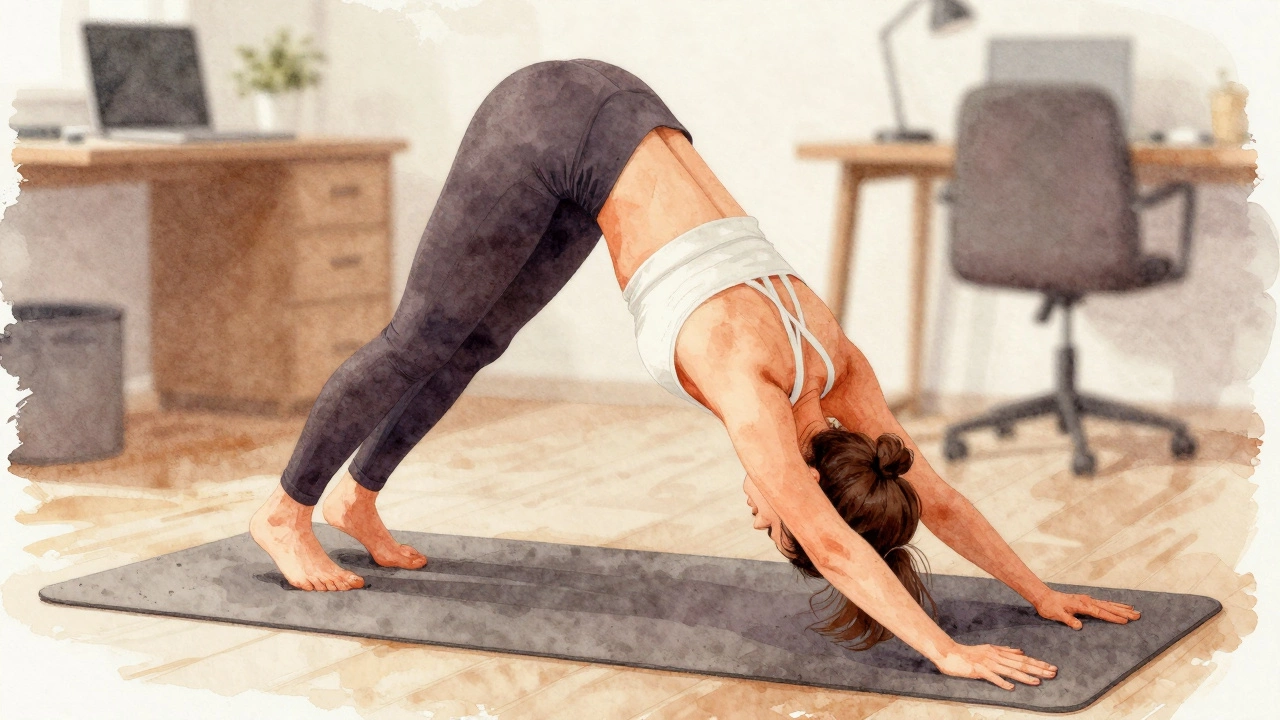
Not sure where to start? Here's a simple breakdown that works for most people:
Pro tip: Use a timer. Set it for each section. No need to overthink. Just follow the clock. This structure works whether you're a beginner or have some experience.
Even with a good routine, mistakes can sabotage your efforts. Here's what to avoid:
For example, a client of mine once tried to do advanced poses in her first 20-minute session. She ended up with a pulled hamstring. Now she sticks to the basics and sees real progress.
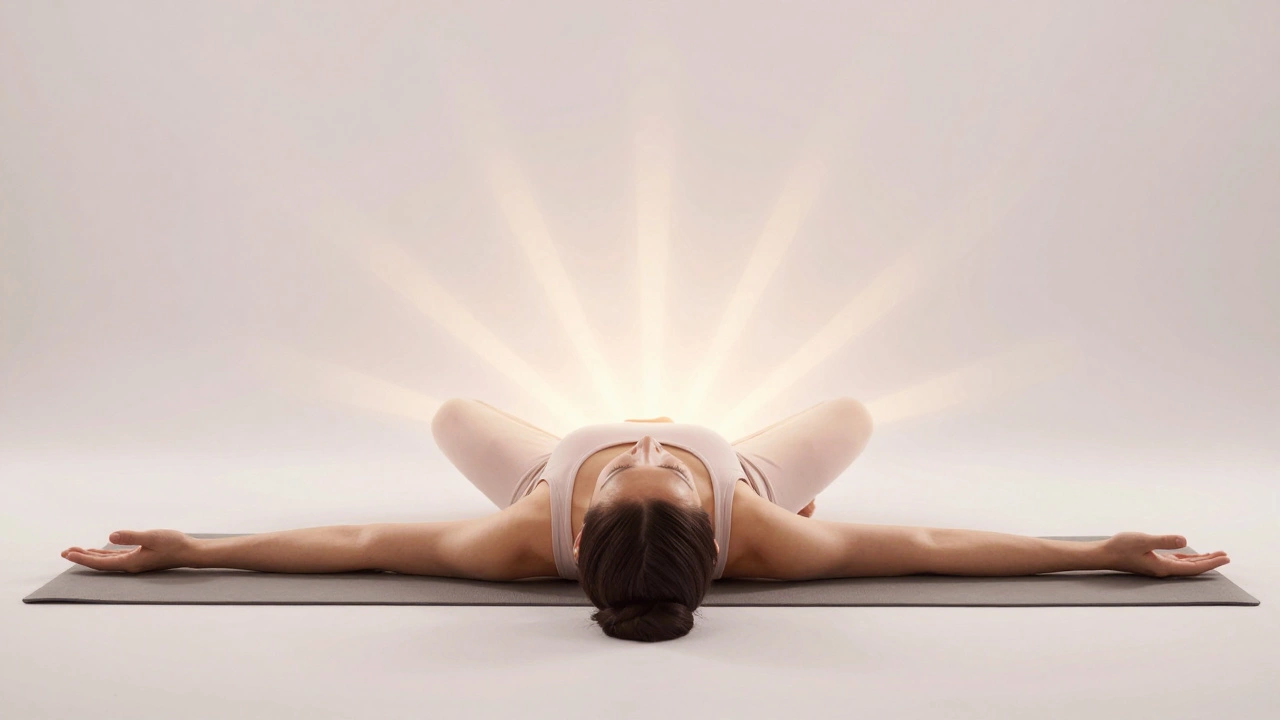
Some people think longer sessions are better. Not necessarily. A 2020 study in the International Journal of Yoga found that people who practiced 20 minutes daily for six months had better long-term adherence than those doing hour-long sessions twice a week. Why? Consistency beats intensity.
Think of it like watering a plant. Daily small doses build roots. One big splash once a week might not be enough. A 20-minute daily routine becomes a habit. An hour-long session you skip because you're busy doesn't help.
Also, shorter sessions fit into busy schedules. Life gets hectic. You can do 20 minutes before work, during lunch, or before bed. An hour might be impossible on some days. But 20 minutes? Always possible.
Here's a simple checklist to keep your routine effective:
Remember: It's not about perfection. It's about showing up. Even 10 minutes counts. But 20 minutes gives you time to warm up, move, and cool down properly.
Absolutely. Daily yoga is safe and beneficial for most people. In fact, consistency is key. Start with gentle styles like Hatha or Yin Yoga. Avoid intense styles like Ashtanga every day unless you're experienced. Listen to your body-take rest days if needed, but daily practice builds momentum.
Hatha Yoga is ideal for beginners. It's slow-paced and focuses on basic poses and breath. Vinyasa works well too if you want more movement. For stress relief, try Restorative Yoga with props. Avoid power yoga or hot yoga for short sessions-they're better for longer practices. Stick to styles that let you move mindfully without rushing.
Yes, it can. A 2019 study in the Journal of Physical Therapy Science found that 20 minutes of daily yoga reduced lower back pain by 35% in participants after eight weeks. Focus on poses that strengthen the core and stretch the spine, like Cat-Cow, Child's Pose, and gentle twists. Always consult a doctor first if you have chronic pain.
Most people notice small changes in 2-4 weeks. Stress levels drop, sleep improves, and flexibility increases. For significant changes like better posture or reduced chronic pain, it takes 3-6 months. The key is consistency. Skipping days slows progress, so try to practice every day, even if it's short.
Not at all. A yoga mat is helpful for comfort, but you can use a towel or carpet. Blocks and straps are optional-they help with alignment but aren't required for basic poses. For home practice, all you need is space to move. Many online classes (like YouTube) offer modifications for beginners without props.