💡 Science Tip: Focus on Compound Movements (squats, deadlifts) and keep a protein-rich calorie deficit to maximize the results of this plan.
You've probably seen those fitness ads promising "flat abs in 7 days" if you just do 100 crunches a day. Here is the cold, hard truth: you cannot choose where your body burns fat. This concept, known as spot reduction, is a myth. Your genes and hormones decide where fat is stored and where it leaves first. For many of us, the stomach is the last place to let go. To lose stomach fat, you need a strategy that targets your entire body's energy balance while building muscle to keep your metabolism firing.
If you want to see your abs, you have to peel back the layer of fat covering them. That happens through a combination of a calorie deficit, high-intensity movement, and a specific type of muscle building. The goal isn't just to "burn calories" during a workout, but to change how your body handles fuel for hours after you've left the gym.
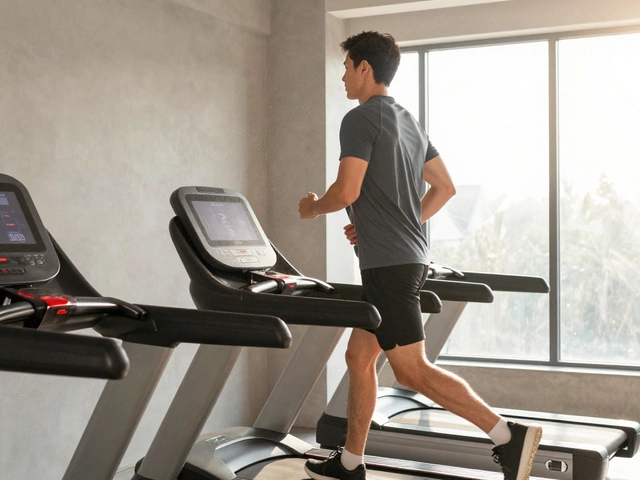
Many people jump straight to the treadmill when they want to lose belly fat. While cardio burns calories in the moment, Strength Training is the practice of using resistance to induce muscular contraction, which builds lean muscle mass. Why does this matter for your stomach? Because muscle is metabolically expensive. Your body burns more calories maintaining a pound of muscle than it does maintaining a pound of fat.
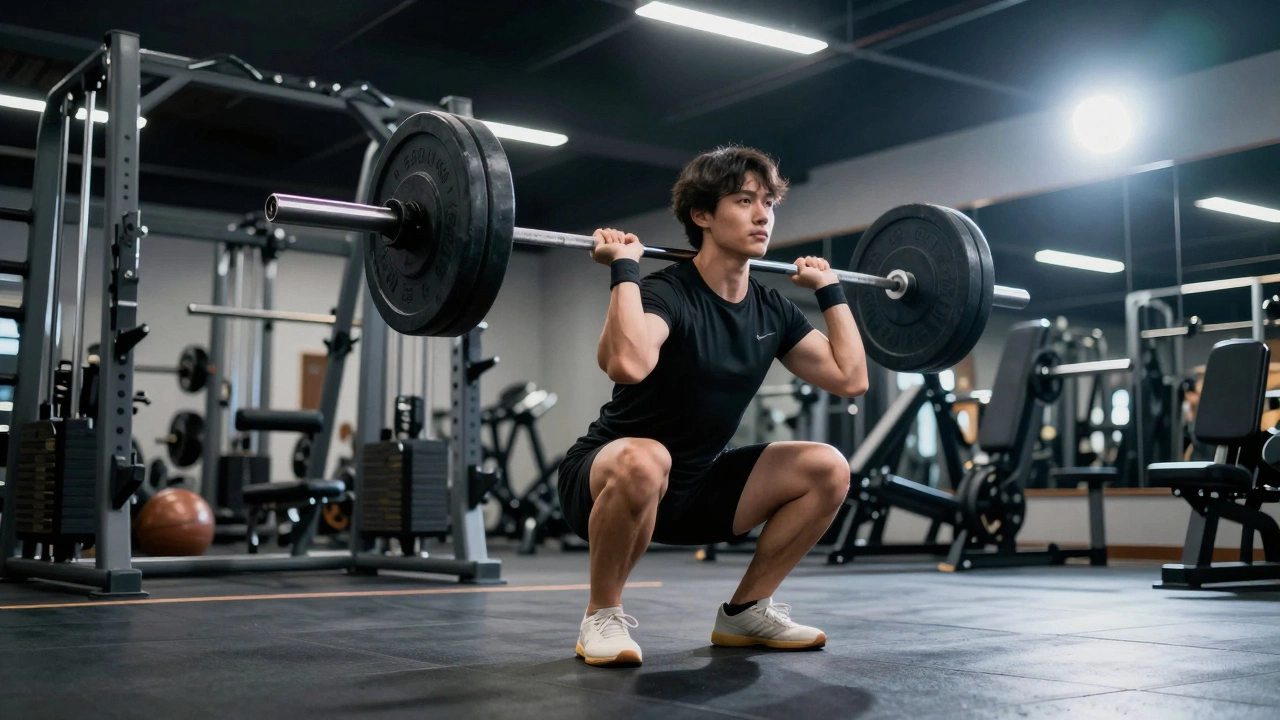
When you lift weights, you trigger an effect called Excess Post-exercise Oxygen Consumption (EPOC). Essentially, your metabolism stays elevated for up to 48 hours after a heavy session. If you only do a 30-minute jog, your calorie burn stops almost the moment you step off the machine. If you do a heavy set of squats, your body is working overtime to repair those tissues long after you've showered and gone to bed.
Focus on compound movements-exercises that use multiple joints and muscle groups. Think of the "Big Three": squats, deadlifts, and presses. These movements recruit the most muscle fibers and demand the most energy, making them far more effective for overall fat loss than isolation moves like bicep curls.
If you want to accelerate fat loss, HIIT (High-Intensity Interval Training) is your best friend. HIIT consists of short bursts of intense exercise alternated with low-intensity recovery periods. Unlike steady-state cardio, HIIT pushes your heart rate into the anaerobic zone, forcing your body to rely on stored glycogen and, eventually, fat for fuel.
A great example is the Tabata method: 20 seconds of all-out effort (like mountain climbers or burpees) followed by 10 seconds of rest, repeated for four minutes. It sounds short, but it shocks the system. Research shows that HIIT can be more effective at reducing visceral fat-the dangerous fat stored deep in the abdomen around your organs-than moderate walking or jogging.
| Workout Type | Calorie Burn (During) | Afterburn (EPOC) | Muscle Growth | Best For... |
|---|---|---|---|---|
| Steady Cardio | Medium | Low | Low | Heart health & recovery |
| Strength Training | Medium | High | High | Long-term metabolism |
| HIIT | High | Very High | Medium | Rapid fat torching |

Now, let's talk about the abs. While crunches won't burn the fat off your stomach, building the muscle underneath ensures that once the fat is gone, you actually have a toned look. However, forget the traditional crunch. To get a functional, strong midsection, you need stability and tension.
Focus on Core Stability exercises. These aren't about moving your spine, but rather resisting movement. The plank is the gold standard here. When you hold a plank, you engage the transversus abdominis-the deepest layer of your core that acts like a natural corset, pulling your stomach in tight.
Other effective moves include:
You can workout 7 days a week and still have a belly if your hormones are working against you. The biggest culprit is Cortisol, the body's primary stress hormone. When you are chronically stressed or underslept, cortisol levels spike. This tells your body to store fat specifically in the abdominal region and breaks down muscle in your arms and legs.
This is why "over-training" can actually backfire. If you're doing two hours of HIIT every day and only sleeping five hours a night, your body enters a state of emergency. It will cling to stomach fat as a survival mechanism. To fight this, balance your high-intensity days with active recovery like walking or light stretching. Ensure you're getting 7-9 hours of quality sleep; this is when your growth hormone peaks, which helps mobilize fat stores.

Exercise is the engine, but nutrition is the fuel. To lose stomach fat, you must be in a Calorie Deficit, meaning you burn more energy than you consume. But the quality of those calories determines whether you lose muscle or fat.
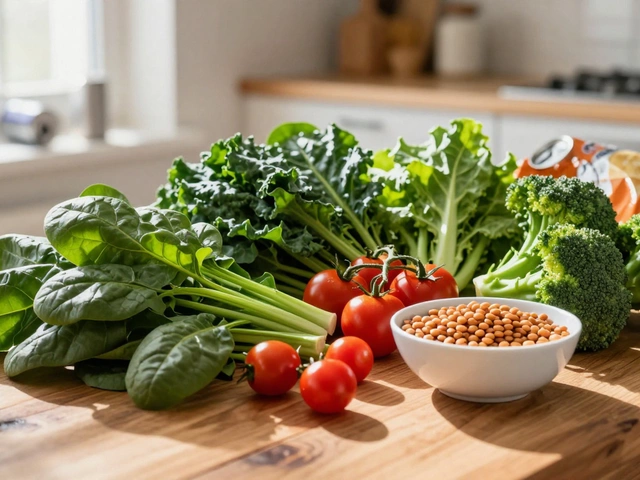
Prioritize protein. High protein intake preserves lean muscle mass during a deficit and keeps you feeling full. Aim for lean sources like chicken breast, tofu, or white fish. Combine this with a high intake of fibrous vegetables-broccoli, spinach, and kale-which add volume to your meals without adding many calories. Avoid liquid calories like soda or excessive fruit juices, as these spike insulin, the hormone that signals your body to store fat.
So, what does the "best" workout plan actually look like? It's not one single exercise, but a system. A balanced week for someone wanting to shed stomach fat might look like this:
Consistency is the only thing that guarantees results. It takes time for the body to shift its fuel source from glucose to stored fat. If you stay the course for 8 to 12 weeks, the changes in your mirror will start to reflect the work you're putting in at the gym.
Yes. Fat loss is primarily driven by a calorie deficit. You can achieve this through a combination of a clean diet and home-based bodyweight exercises like push-ups, squats, and planks. The key is to keep your heart rate up and maintain muscle mass through resistance, even if you don't have heavy weights.
Since the stomach is often where the body stores fat most stubbornly, it usually takes longer than other areas. Most people start seeing noticeable changes after 4 to 8 weeks of consistent strength training and dietary discipline, but significant transformation often takes 3 months or more.
No. Waist trainers only compress the soft tissue and can cause water loss through sweat, which is temporary. They do not burn fat or permanently change the shape of your waist. In some cases, they can even hinder your breathing and core engagement during exercise.
For fat loss and muscle preservation, it's generally best to do strength training first. Lifting weights requires the most energy and focus. If you do intense cardio first, you'll be too exhausted to lift heavy, which reduces the metabolic benefits of the strength session. Save your cardio or HIIT for the end of the workout.
Intermittent fasting can be a tool to help you maintain a calorie deficit by limiting the window of time you eat. It isn't a magic pill, but it works for some people by reducing overall calorie intake and improving insulin sensitivity, which can make it easier for the body to access stored fat.
If you are just starting, don't try to change everything overnight. Pick one strength training day and one HIIT day per week, and focus on hitting your protein goals. Once that feels easy, add another session. If you find yourself hitting a plateau, try "cycling" your calories-eating slightly more on heavy lifting days and slightly less on rest days to keep your metabolism guessing.
For those who struggle with motivation, track your progress with a measuring tape rather than a scale. Because muscle is denser than fat, your weight might stay the same even as your waistline shrinks. The tape measure doesn't lie, and it's the best way to prove that your strength training is working.