When you wear a fitness tracker, a wearable device that monitors physical activity, heart rate, sleep, and sometimes location. Also known as wearable health device, it helps you track progress—but it also feeds your data to companies that may sell it, store it insecurely, or use it to target ads. Most people think it’s just counting steps. But your fitness tracker knows when you wake up, how deep your sleep is, where you run, and even when you’re stressed. That’s not just useful info—it’s personal, sensitive, and often shared without your full understanding.
Companies like Fitbit, Garmin, and Apple collect this data to improve their products, but they also use it to build profiles. Your heart rate patterns during sleep? That could help insurers predict health risks. Your nightly walking route? That’s location data that could be leaked or sold. And if you sync your tracker to a fitness app, software that logs workouts, calories, and goals, often tied to cloud storage and third-party services, you’re giving even more access. Many of these apps don’t encrypt your data properly, and some have been hacked. Even if your device is secure, the app behind it might not be. personal health data, sensitive information about your body, habits, and medical patterns collected by digital tools isn’t protected the same way as your medical records—so it’s easier for advertisers, data brokers, or even hackers to get their hands on it.
You don’t need to ditch your tracker to stay safe. You just need to know what’s being collected and how to lock it down. Turn off location tracking when you’re not running or hiking. Review app permissions—do you really need to connect your tracker to Facebook or Google Fit? Delete old data you don’t need. And if you’re worried, check the company’s privacy policy—not the marketing fluff, but the legal fine print. Some brands, like Garmin, let you download your data and delete it anytime. Others? Not so much. The truth is, your health data is valuable. And if you’re not careful, you’re the product, not the customer.
Below, you’ll find real answers to the questions people actually ask: Is Fitbit still safe in 2025? Do fitness apps really protect your data? What happens when you stop using your tracker? These aren’t theoretical concerns—they’re everyday risks. And the posts here give you the straight facts, not the hype.
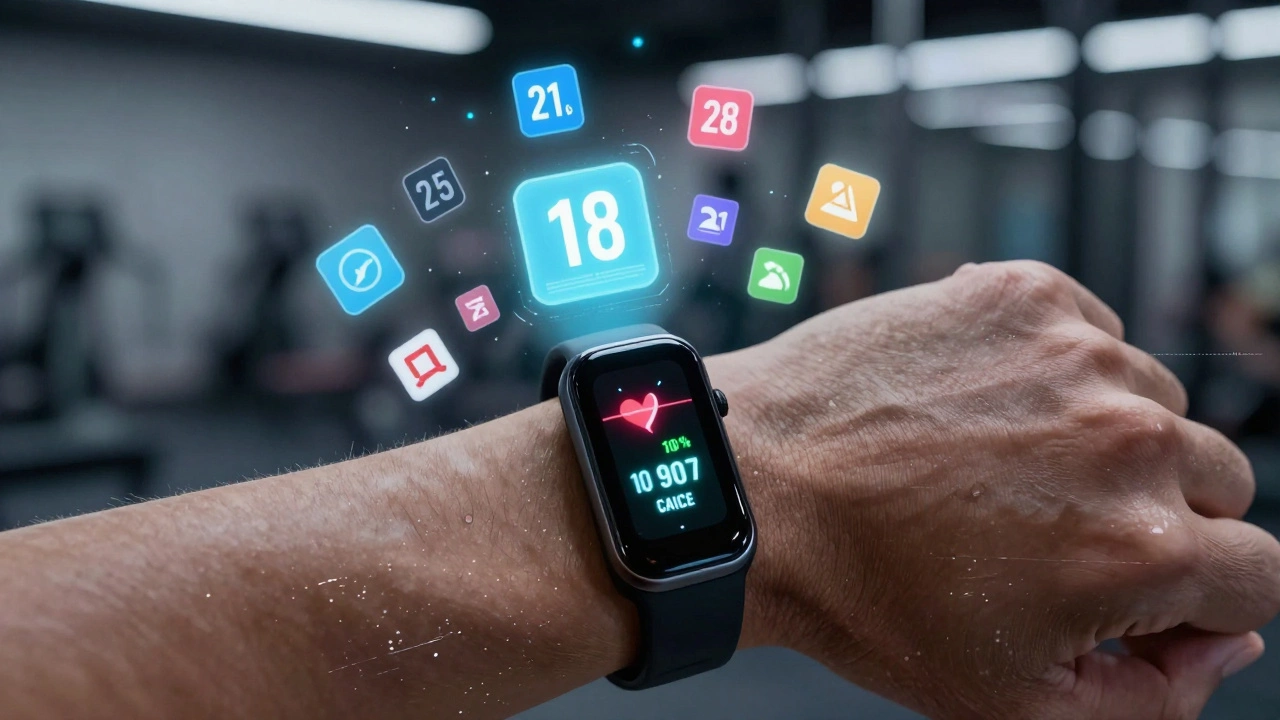
Fitness trackers promise better health but come with hidden risks: inaccurate data, privacy leaks, anxiety, skin damage, and medical misinformation. Learn how these devices can hurt more than help.
READ