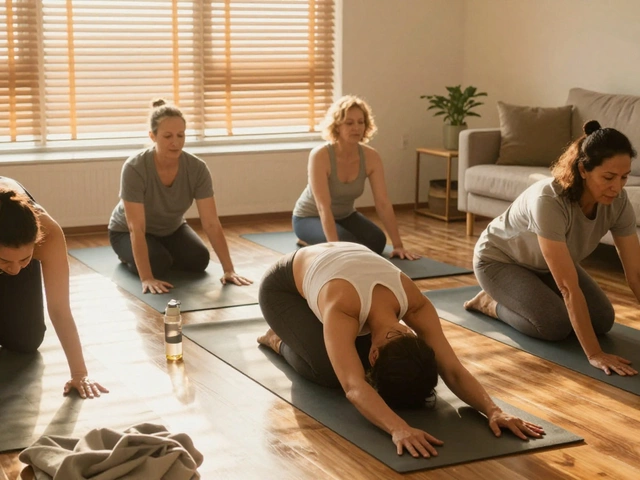
When you work out, you break down muscle tissue. But exercise recovery, the process your body uses to repair and strengthen itself after physical stress. Also known as post-workout recovery, it's not the time you stop moving—it's when real progress happens. Skip recovery, and you’re not just tired—you’re risking injury, burnout, or stalled results. Every workout you do is only half the equation. The other half? How well you recover.
Recovery isn’t just sleeping or taking a day off. It includes active recovery, low-intensity movement like walking or light cycling that boosts blood flow without adding strain, proper muscle recovery, the biological process where muscles repair micro-tears and grow stronger, and timing. Most people think they need to train harder to get results. But the truth? The people who recover better get stronger faster. A 30-minute workout means nothing if you’re still sore and drained three days later. That’s not dedication—that’s overtraining. Studies show that recovery time between strength sessions should be 48 to 72 hours for the same muscle group. But that doesn’t mean sitting on the couch. Light movement, hydration, protein intake, and sleep all play a role. You don’t need fancy gear or expensive supplements. You need consistency.
Look at the posts below. You’ll find real advice on how long to rest between workouts, what actually helps muscles bounce back, how hydration affects recovery, and why skipping rest makes your progress stall. Some posts talk about how to structure your week so you’re not burning out. Others break down how protein shakes and sleep quality impact recovery. One even explains why your fitness tracker might be lying to you about how tired you are. This isn’t fluff. It’s what works for people who aren’t pros but still want real results. Whether you’re doing home workouts, HIIT, or strength training, your body doesn’t care how hard you pushed—it cares how well you let it heal. Get recovery right, and everything else gets easier.

Is spending two hours at the gym too much? Most people don’t need it-and doing it daily can hurt progress. Learn the science behind optimal workout time and how to train smarter, not longer.
READ