Answer these questions to get a personalized recommendation on whether to skip breakfast or have a protein shake.
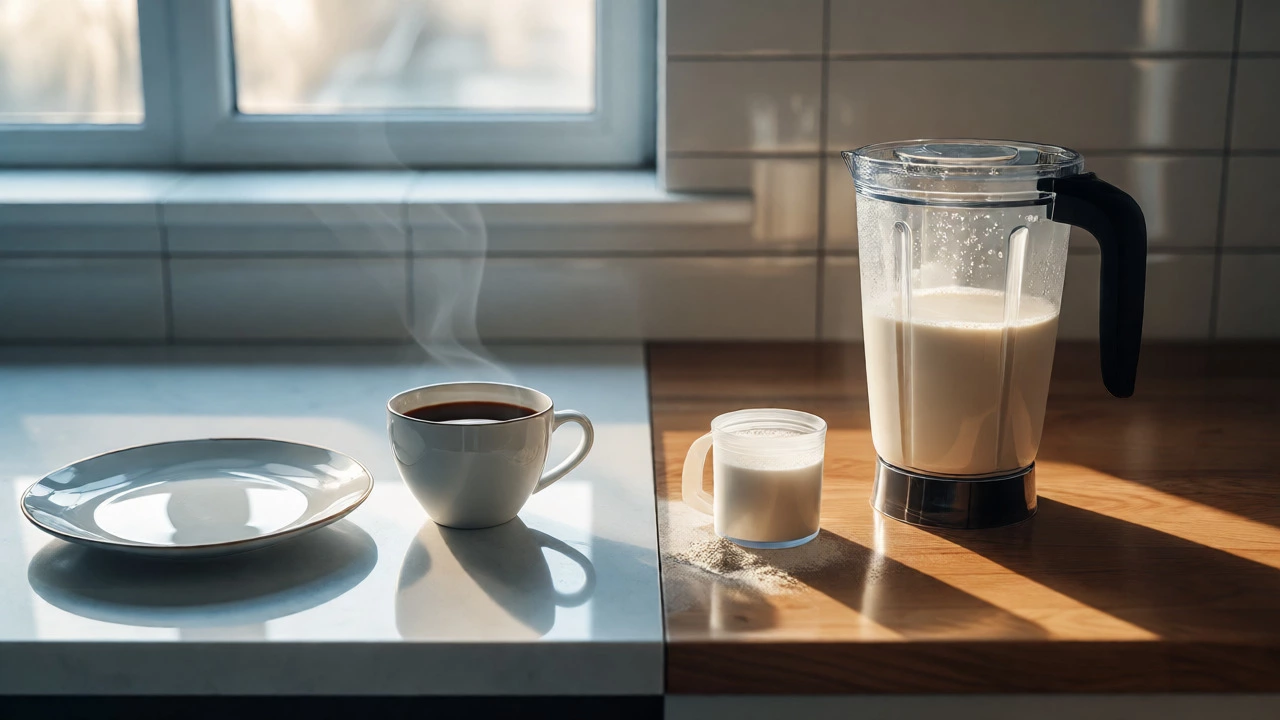
You’re standing in your kitchen at 7 AM. You’ve got two options: eat nothing and let your body run on fumes until lunch, or blend up a scoop of powder and water. Which one actually helps you hit your fitness goals? It’s not just about convenience; it’s about what happens inside your muscles and metabolism when you choose one over the other.
Most people think skipping breakfast is a trick to lose weight, while others swear that protein shakes are the secret to staying lean. But here’s the thing: neither option is inherently "better" for everyone. Your choice depends entirely on whether you’re trying to build muscle, burn fat, or just survive a busy morning without crashing. Let’s break down exactly what each option does to your body so you can stop guessing and start choosing with confidence.
Intermittent Fasting (IF) is often confused with simply skipping breakfast, but they aren’t exactly the same. Skipping breakfast typically means extending your overnight fast by 3-5 hours, delaying your first meal until noon or later. This practice triggers a metabolic switch. When you don’t eat for several hours, your insulin levels drop, and your body shifts from burning glucose (sugar) to burning stored fat for energy. This state, known as ketosis-lite or increased fat oxidation, can help some people manage their weight more effectively.
However, there’s a catch. If you skip breakfast and then devour a massive, carb-heavy lunch because you’re starving, you might end up consuming more calories than if you had eaten a small morning meal. A study published in the American Journal of Clinical Nutrition found that people who skipped breakfast didn’t necessarily consume fewer calories throughout the day; many compensated by eating more later. So, skipping breakfast works best if you have strong impulse control and don’t binge later. For those who get shaky or irritable when hungry-often called being "hangry"-this approach can backfire, leading to poor food choices at 1 PM.
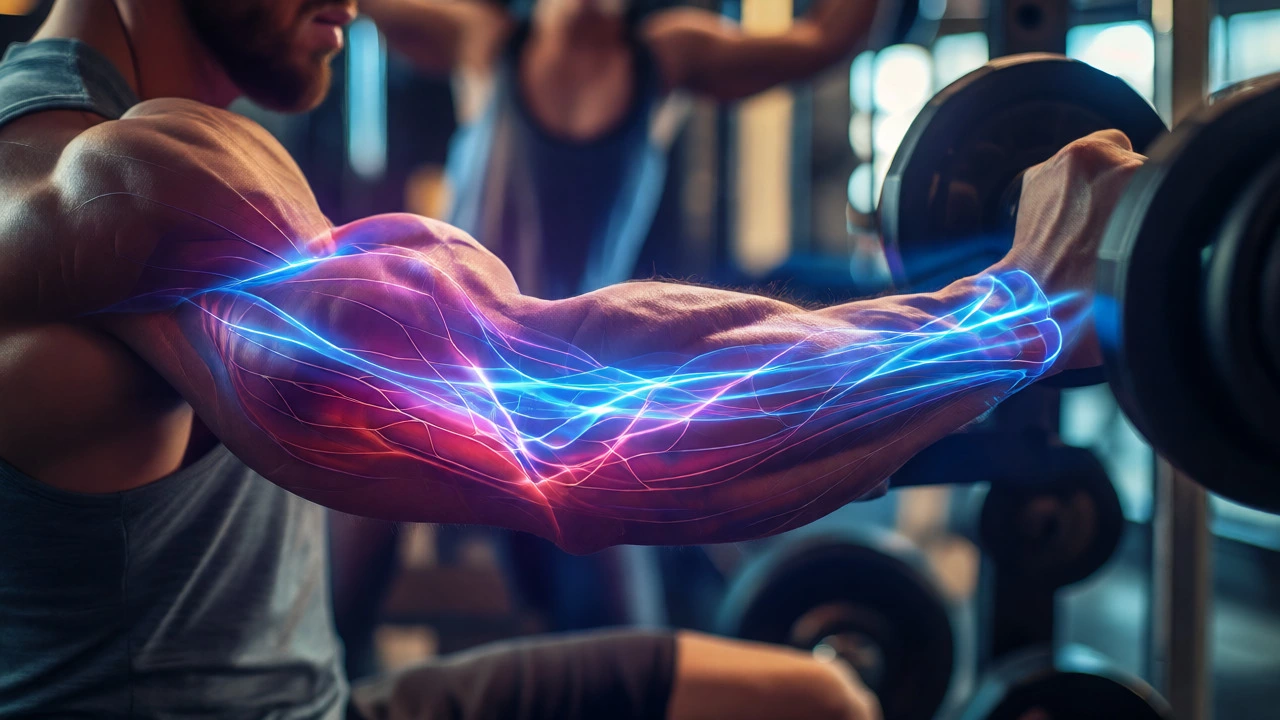
On the flip side, drinking a Protein Shake provides an immediate supply of amino acids, the building blocks of muscle tissue. Unlike solid food, liquid nutrition digests quickly, hitting your bloodstream within 30-45 minutes. This rapid absorption is particularly useful if you train early in the morning. Consuming a whey or plant-based protein isolate before or after a workout helps reduce muscle breakdown and kickstarts repair processes.
Beyond muscle maintenance, protein has a high thermic effect. Your body burns more calories digesting protein than it does carbs or fats. Furthermore, protein is highly satiating. A shake with 25-30 grams of protein can curb hunger hormones like ghrelin more effectively than a bagel or cereal. If you struggle with mid-morning snacking on biscuits or chips, a protein shake acts as a biological brake pedal, keeping you full until lunch without the calorie density of a heavy breakfast.
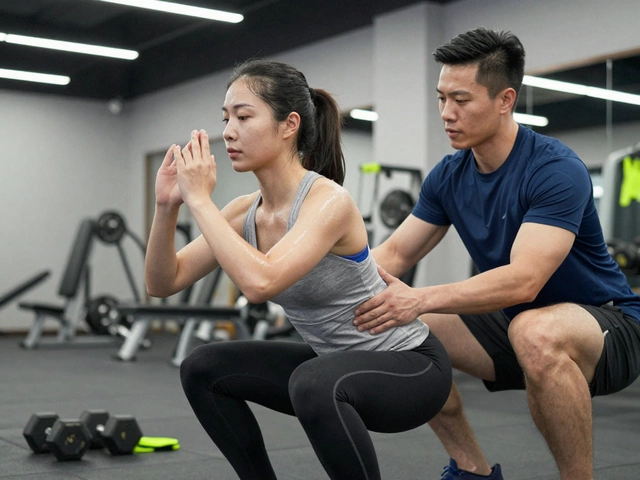
If your primary goal is muscle hypertrophy (growth), skipping breakfast is generally risky. Muscle protein synthesis-the process of building new muscle-is most effective when you provide your body with regular streams of amino acids. Going 16+ hours without food (overnight fast plus no breakfast) creates a longer window where your body might tap into muscle tissue for fuel, especially if you haven’t eaten enough protein the previous night. In this scenario, a protein shake is superior. It breaks the fast gently, supplies leucine (an essential amino acid crucial for triggering muscle growth), and prepares your body for daily activity.
Conversely, if your main aim is fat loss, skipping breakfast might offer a slight edge through calorie restriction. By eliminating one meal, you naturally cut out 300-500 calories, assuming you don’t replace them elsewhere. This method simplifies calorie counting-you only need to track two meals instead of three. However, this only works if you maintain adequate protein intake during your eating window. If you skip breakfast but also fail to eat enough protein at lunch and dinner, you risk losing muscle mass along with fat, which slows down your metabolism long-term.
Let’s look at the logistics. Preparing a traditional breakfast takes time. Cooking eggs, toasting bread, or washing bowls adds minutes to your morning routine. A protein shake requires about two minutes: scoop, add water or milk, shake, drink. For parents rushing kids to school or professionals with tight schedules, this time-saving aspect is a major advantage.
Cost is another factor. High-quality protein powders can be expensive upfront, but per serving, they often cost less than buying fresh eggs, Greek yogurt, or salmon every day. Here’s how they stack up:
| Factor | Skip Breakfast (Fasting) | Protein Shake |
|---|---|---|
| Time Required | Zero minutes | 2-5 minutes |
| Calorie Impact | Cuts ~400 kcal/day | Adds ~120-150 kcal/day |
| Muscle Preservation | Riskier if total protein is low | Highly protective due to amino acids |
| Digestive Comfort | No digestion needed initially | Easy on stomach, fast absorption |
| Best For | Weight loss via calorie deficit | Muscle gain & appetite control |
Not everyone thrives on an empty stomach. If you have a history of disordered eating, skipping meals can trigger obsessive thoughts about food or lead to binge-eating episodes later in the day. Similarly, individuals with blood sugar regulation issues, such as those with prediabetes or reactive hypoglycemia, may feel dizzy or lightheaded without morning carbohydrates or protein.
Women, in particular, may respond differently to prolonged fasting due to hormonal fluctuations. Some studies suggest that extended fasting periods can disrupt cortisol rhythms and reproductive hormones in women more significantly than in men. If you notice your sleep suffers or your cycle becomes irregular after starting a no-breakfast routine, it’s a clear sign your body needs that morning fuel. In these cases, a light protein shake is a safer, gentler alternative to complete fasting.
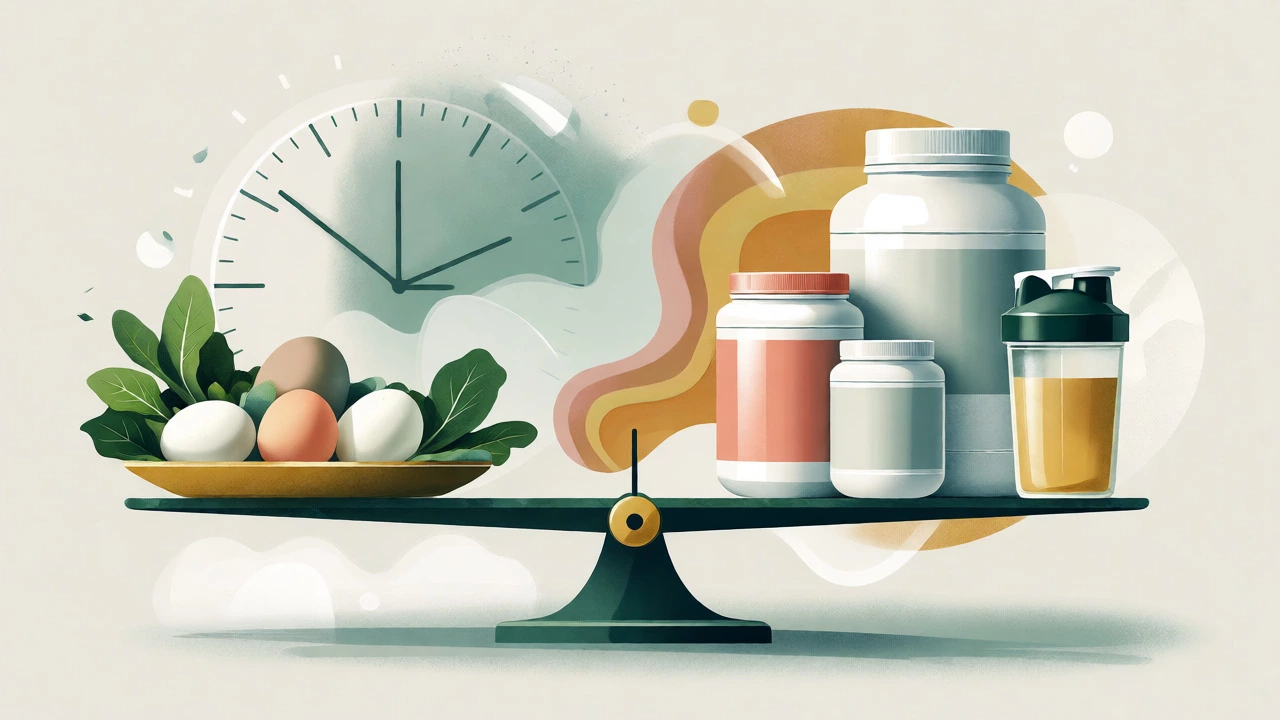
Deciding between skipping breakfast and having a shake comes down to self-experimentation. Try this simple protocol for two weeks:
Compare the results. Did you lose more weight? Did you lift heavier weights? Did you feel more stable emotionally? There is no universal rule. Your biology is unique. If you find that skipping breakfast makes you sluggish, embrace the shake. If the shake makes you feel bloated or too full to work, try fasting. The "best" option is the one you can stick to consistently without feeling deprived or unwell.
Even if you pick the right strategy, execution matters. Many people ruin their protein shakes by adding too much fruit, nut butter, or sweeteners, turning a 150-calorie snack into a 600-calorie meal. Read labels carefully. Aim for minimal ingredients: protein source, maybe some cocoa powder or cinnamon, and water or unsweetened almond milk.
Similarly, when skipping breakfast, don’t use it as an excuse to eat junk later. Fasting increases the reward value of food, meaning a cookie tastes better when you’re hungry. Plan your first meal to include vegetables and lean protein to prevent a glucose spike. Remember, health isn’t just about timing; it’s about quality. A bad diet is still a bad diet, whether you fast or sip shakes.
No, skipping breakfast does not significantly slow your resting metabolic rate. Studies show that total daily calorie intake and macronutrient composition matter far more than meal frequency. Your body adapts to fasting windows efficiently, provided you meet your nutritional needs during eating periods.
It depends on your goals. Eggs offer healthy fats, choline, and vitamins that protein powders lack. However, protein shakes absorb faster and are easier to consume if you have no appetite. For overall nutrient density, whole foods like eggs are superior. For convenience and post-workout recovery, shakes win.
Yes, but performance may suffer. Training fasted can enhance fat burning, but it may reduce strength output. If you do high-intensity interval training (HIIT) or heavy lifting, a pre-workout protein shake or BCAAs might improve performance. For steady-state cardio, fasted training is usually fine.
Whey isolate is ideal for speed and purity, containing minimal lactose. Casein digests slower, keeping you fuller longer, making it great if your next meal is hours away. Plant-based blends (pea/rice) are suitable for vegans but ensure they contain all essential amino acids.
Skipping breakfast itself doesn't cause belly fat. Gaining fat happens when you consume excess calories overall. However, if skipping breakfast leads to overeating sugary or fatty foods later in the day, you might gain weight. Consistency in healthy eating patterns prevents this.