Based on physiological limits (~1-2 lbs of pure fat per week), the rest is water/glycogen.
Let’s get one thing straight right out of the gate: losing 10 pounds of actual body fat in seven days is physically impossible for almost everyone. To burn one pound of fat, you need a calorie deficit of roughly 3,500 calories. To lose 10 pounds of fat, you’d need a deficit of 35,000 calories in a week. That means burning 5,000 extra calories every single day. Unless you are running marathons while fasting, that number doesn’t add up.
However, dropping 10 pounds on the scale in a week? That is possible. But here is the catch: most of that weight won’t be fat. It will be water, glycogen, and undigested food. If your goal is to fit into a specific dress or hit a number before a vacation, this guide will show you how to do it safely without wrecking your metabolism or health. If your goal is sustainable long-term change, read on to learn why chasing this number can backfire.
To understand how the scale moves so fast, we have to look at what makes up your body weight. You aren't just fat and muscle. A huge chunk of your weight comes from water and glycogen.
Glycogen is how your body stores carbohydrates for energy. For every gram of glycogen stored in your muscles and liver, your body holds onto about three grams of water. When you drastically cut carbs, your body burns through its glycogen stores. As those stores empty, that bound water is released and excreted. This is why low-carb diets often result in a massive drop on the scale in the first few days. It’s not magic; it’s basic chemistry.
Then there is sodium. Sodium acts like a sponge in your body, holding onto fluid. High-sodium foods-think processed snacks, restaurant meals, and canned soups-cause bloating and water retention. By slashing sodium intake, you reduce that sponge effect, allowing your kidneys to flush out excess fluid. This combination of depleting glycogen and reducing sodium is the primary engine behind rapid short-term weight loss.
If you are committed to seeing the scale drop significantly in seven days, your diet needs to shift immediately. You cannot eat freely and expect drastic results. Here is the practical approach:
| Foods to Prioritize | Foods to Avoid | Why? |
|---|---|---|
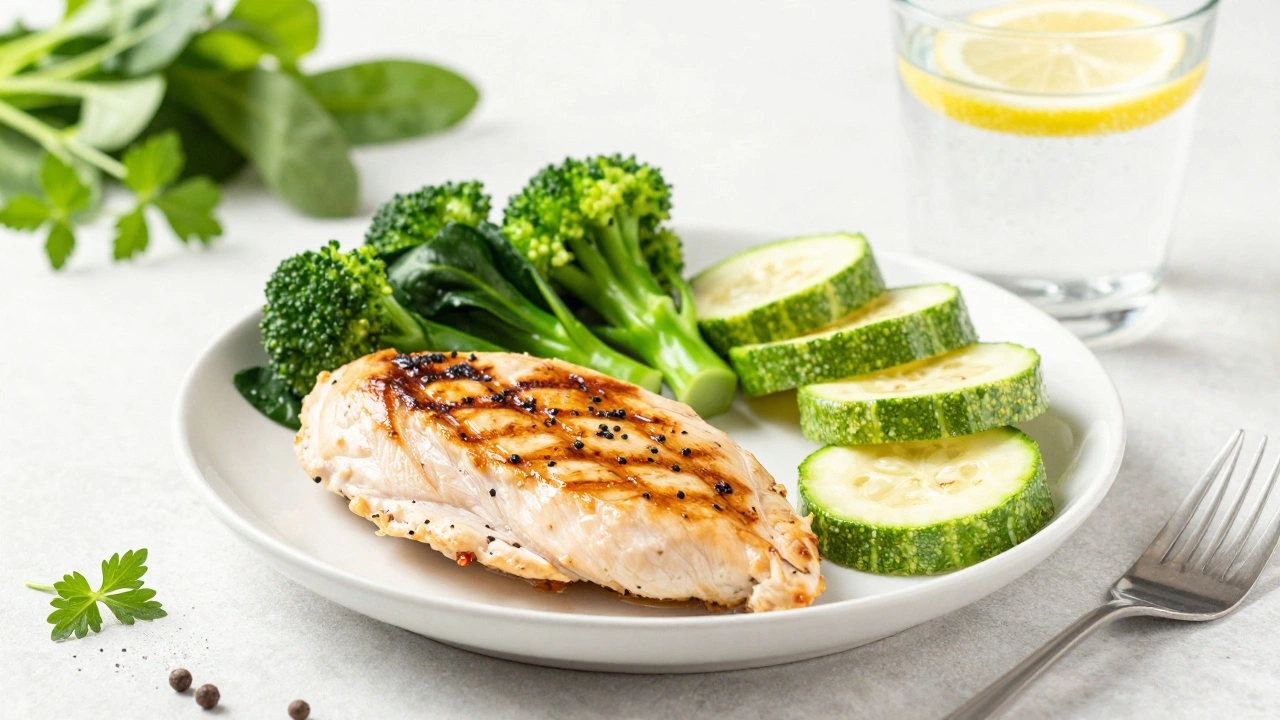
| Leafy Greens (Spinach, Kale) | Bread & Pasta | Greens are low-calorie and high-volume; carbs store water. |
| Lean Protein (Chicken, Fish) | Processed Meats (Bacon, Deli) | Protein preserves muscle; processed meats are high-sodium bombs. |
| Water & Black Coffee | Sugary Drinks & Alcohol | Liquids with zero calories prevent bloat; alcohol stops fat burning. |
| Cucumber & Celery | Cheese & Salty Snacks | High-water veggies aid hydration; cheese/salt causes retention. |
You mentioned weight loss exercises, so let’s talk movement. While exercise alone won’t melt 10 pounds of fat in a week, it plays two critical roles in this plan: increasing calorie expenditure and reducing inflammation.
First, you want to prioritize activities that sweat you out. Sweating is a direct loss of water weight. While this weight returns once you rehydrate, it contributes to the immediate scale drop. Second, you want to keep cortisol levels manageable. Extreme, high-intensity training every day can spike cortisol, a stress hormone that actually encourages abdominal fat storage and water retention.
Avoid introducing brand-new, intense HIIT workouts if you aren’t already doing them. Your body will respond to the novel stress by retaining water to repair micro-tears in muscle fibers, which might temporarily stall your scale progress.
You can eat perfectly and train hard, but if you sleep four hours a night, you will struggle to see rapid results. Sleep deprivation disrupts two key hormones: ghrelin (which tells you you’re hungry) and leptin (which tells you you’re full). When you’re tired, ghrelin goes up, and leptin goes down. You crave carbs and salt, both of which hold water.
Furthermore, poor sleep increases cortisol. As mentioned earlier, cortisol promotes water retention. Aim for 7-9 hours of quality sleep each night during this week. Create a dark, cool environment and avoid screens an hour before bed. This isn’t just "wellness fluff"; it’s a physiological requirement for efficient fluid balance and fat metabolism.
Stress management is equally vital. If you are stressed, your body perceives a threat and holds onto resources-including water and fat-as a survival mechanism. Incorporate 10 minutes of deep breathing or meditation daily to lower systemic stress markers.

I need to be honest with you. Dropping 10 pounds in a week is a shock to your system. Here are the risks you need to watch for:
If you experience heart palpitations, severe dizziness, or fainting, stop this protocol immediately and consult a healthcare provider. Rapid weight loss puts strain on your cardiovascular system.
Here is the truth that no one wants to hear: slow and steady wins the race. Losing 1-2 pounds per week is considered safe and sustainable by health organizations like the CDC. This rate of loss ensures that you are losing fat, not muscle, and that your habits are changing permanently.
Instead of a 7-day crash, consider a 7-day reset. Use the strategies above-lower sodium, higher protein, more water, consistent movement-but view them as a jumpstart to a healthier lifestyle, not a finish line. After the week, gradually reintroduce complex carbohydrates like quinoa, sweet potatoes, and oats. Monitor how your body feels. Do you have more energy? Is your digestion better? Those are the real metrics of success, not just the number on the scale.
Building a relationship with food where you nourish your body rather than punish it is the only way to maintain weight loss long-term. One week of restriction changes nothing about your biology. A lifetime of balanced choices changes everything.
Generally, no. Losing 10 pounds in a week is mostly water weight and glycogen, not fat. While it may be safe for some people for a very short period, it carries risks of muscle loss, nutrient deficiencies, and metabolic slowdown. It is not recommended as a long-term strategy.
Yes, likely. Since much of the weight lost is water, returning to a normal diet with carbohydrates and sodium will cause your body to replenish glycogen stores and retain water again. You may see the scale jump up by several pounds within 48 hours.
For rapid scale drops, a combination of daily walking (to burn calories without stress) and strength training (to preserve muscle) is effective. However, exercise alone cannot create the massive deficit needed to lose 10 pounds of fat in a week. Diet plays a much larger role in short-term weight fluctuations.
Yes. Drinking adequate water helps flush out excess sodium and reduces water retention. It also boosts metabolism slightly and can help control appetite. Aim for 2-3 liters per day during a weight loss phase.
No. Losing 10 pounds of pure body fat requires a 35,000-calorie deficit over seven days, which is physiologically impossible for most people without extreme medical intervention. Any claim otherwise is misleading.