Target Daily Calories
--
(Maintenance - Deficit)Protein Target
--
(1.6-2.2g per kg)Based on scientific principles of calorie deficits and metabolic health.
You want results. Fast. You’ve probably seen the ads promising ten pounds in a week or miracles from some obscure pill. But here’s the uncomfortable truth: most "fast" methods are just water weight tricks that vanish as soon as you eat a normal meal again. If you’re looking for the fastest way to lose weight that actually sticks, you need to stop chasing quick fixes and start understanding how your body burns energy.
As someone living in Perth, I see people trying everything from intense boot camps to extreme fasting. The reality? There is no single magic bullet. But there is a specific combination of nutrition, movement, and lifestyle tweaks that works faster than anything else. It’s not about suffering; it’s about efficiency. Let’s break down exactly what works, why it works, and how you can do it without hating your life.
Before we talk about exercises, let’s get one thing straight. You cannot out-train a bad diet. Period. The fastest way to drop fat is creating a consistent calorie deficit. This means burning more energy than you consume. It’s simple math, but execution is where most people fail.
How big should this deficit be? Aim for 300-500 calories below your maintenance level daily. This usually results in losing 0.5 to 1 pound per week. Sounds slow? It’s actually the sweet spot. Go bigger, say 1,000 calories, and you risk muscle loss and metabolic slowdown. Your body fights back by lowering your resting energy expenditure. You end up working harder for less result.
| Deficit Size (Daily) | Expected Weekly Loss | Sustainability | Risk Factor |
|---|---|---|---|
| 250 kcal | 0.25 - 0.5 lbs | Very High | Low |
| 500 kcal | 0.5 - 1.0 lbs | High | Low |
| 750 kcal | 1.0 - 1.5 lbs | Moderate | Moderate (Hunger) |
| 1000+ kcal | 1.5 - 2.0 lbs | Low | High (Muscle Loss) |
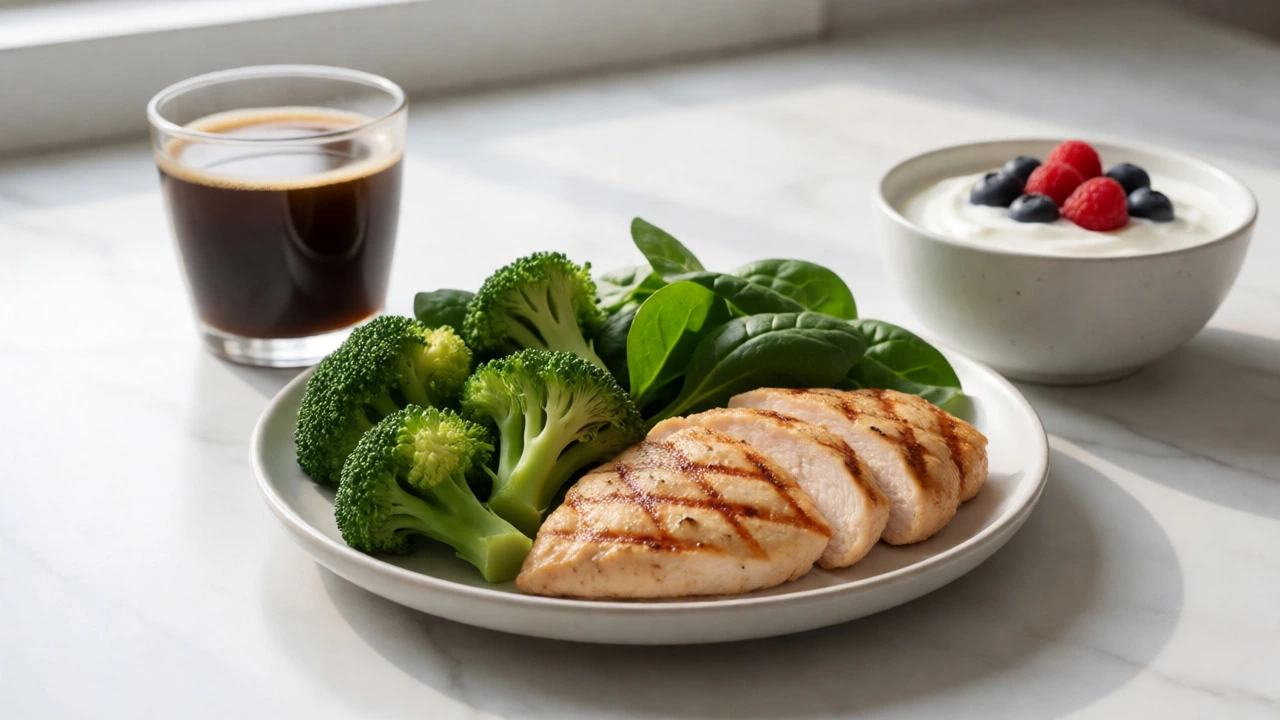
If you only change one thing, make it protein intake. High-protein diets are scientifically proven to boost satiety and preserve lean muscle mass during a deficit. When you lose weight, you don’t just want to lose size; you want to lose fat while keeping muscle. Muscle keeps your metabolism high.
Aim for 1.6 to 2.2 grams of protein per kilogram of body weight. For an 80kg person, that’s roughly 130-175 grams daily. Think chicken breast, Greek yogurt, eggs, and legumes. Why does this help speed things up? Protein has a higher thermic effect of food (TEF). Your body uses about 20-30% of the calories in protein just to digest it, compared to 5-10% for carbs and fats. You’re literally burning more calories by eating right.
Also, cut liquid calories. Soda, fancy coffees, and juices add up fast without filling you up. Switching to water, black coffee, or tea can instantly shave 200-400 calories off your day with zero effort. In my experience coaching clients in Western Australia, swapping their afternoon latte for black coffee often breaks a plateau within two weeks.

Now, let’s move. Not all exercise is created equal when your goal is speed. Long, slow jogs burn calories, but they take time. To maximize fat loss per minute spent, focus on intensity and compound movements.
HIIT Workouts are short bursts of intense activity followed by rest periods, designed to spike heart rate and trigger excess post-exercise oxygen consumption (EPOC). This means your body continues burning calories at a higher rate for hours after you finish exercising. A 20-minute HIIT session can sometimes match the calorie burn of a 45-minute steady-state cardio session, plus the afterburn effect.
But don’t ignore strength training. Lifting weights builds muscle, which increases your basal metabolic rate (BMR). More muscle means you burn more calories at rest. If you only do cardio, you might lose weight but end up "skinny fat" because you lost muscle along with fat. Combine both. Do strength training 2-3 times a week and HIIT 1-2 times a week.
You can eat perfectly and train hard, but if you sleep poorly, your progress stalls. Sleep deprivation raises cortisol, the stress hormone. High cortisol promotes fat storage, especially around the belly. It also messes with hunger hormones, making you crave sugar and carbs.
Aim for 7-9 hours of quality sleep. In Perth, our long summer evenings can tempt us to stay up late. Set a digital curfew. Turn off screens an hour before bed. Darkness helps melatonin production, which regulates sleep cycles.
Stress management matters too. Chronic stress triggers emotional eating. Find non-food coping mechanisms. Walking in nature, reading, or even deep breathing exercises can lower cortisol levels. When stress drops, adherence to your diet becomes easier.

Most people quit because they expect linear progress. Weight loss is never linear. You’ll have weeks where the scale doesn’t move, then suddenly drop two pounds. Don’t panic. Look at trends over months, not days.
Another trap is "reward eating." You worked out hard, so you deserve a pizza. Often, the reward costs more calories than the workout burned. A 30-minute run might burn 300 calories. A slice of pepperoni pizza is 300+ calories. Two slices erase your work. Be mindful of these mental accounting errors.
Finally, avoid extreme restriction. Cutting carbs entirely or doing juice cleanses rarely works long-term. You’ll rebound. Consistency beats intensity every time. The fastest way to lose weight is to find a routine you can maintain for three months, not three days.
Here’s a realistic template based on current best practices. Adjust based on your fitness level.
Pair this with a high-protein diet and adequate hydration. Drink at least 2-3 liters of water daily. Sometimes thirst is mistaken for hunger.
Intermittent fasting (IF) can help create a calorie deficit by restricting eating windows, but it isn't inherently faster than traditional calorie counting. Studies show IF works primarily because it reduces overall calorie intake automatically. If you prefer skipping breakfast, it's a useful tool. If you hate feeling hungry in the morning, it's not necessary. The best method is the one you stick to.
Yes, absolutely. Diet controls weight. Exercise improves health and body composition. You can lose significant weight through dietary changes alone by maintaining a calorie deficit. However, adding exercise accelerates fat loss, preserves muscle, and improves cardiovascular health, making the process healthier and more sustainable long-term.
This is common and called a plateau. Causes include water retention due to increased sodium or carbs, metabolic adaptation as your body gets smaller and burns fewer calories, or hidden calorie creep in your diet. To fix it, reassess your portion sizes, increase NEAT (daily steps), or slightly adjust your macro ratios. Patience is key; plateaus often break naturally.
Most weight loss supplements offer marginal benefits at best. Caffeine can slightly boost metabolism and exercise performance. Green tea extract has minor effects. However, none replace a calorie deficit. Beware of "fat burners" that promise miracles. They often contain diuretics that cause temporary water weight loss, not actual fat reduction. Save your money for better food.
For most people, a safe and sustainable rate is 0.5 to 1 kg (1-2 lbs) per week. That translates to 2-4 kg (4-8 lbs) in a month. Those with more initial weight may lose faster initially due to water loss. Rapid loss beyond 1 kg per week often indicates muscle loss or dehydration rather than pure fat loss. Focus on consistency over speed.