Please enter a valid weight.
This tool helps you determine the optimal protein amount to preserve muscle while losing fat.
There is a simple truth about losing weight that most supplement ads try to hide: you cannot out-supplement a bad diet. However, there is also a very real advantage to using the right **protein shake** as part of your strategy. When done correctly, these shakes can help you feel fuller for longer, protect your muscle mass while you burn fat, and simplify your meal planning. The problem? The market is flooded with products that are little more than sugar water in a fancy tub.
If you are looking for the "best" option, you need to stop looking at flashy labels and start reading the nutritional data. This guide breaks down exactly what to look for, which types work best for different bodies, and how to build a shake that actually supports fat loss rather than hindering it.
To pick the right product, you first need to understand why protein is the macronutrient of choice for weight management. It comes down to three main biological factors.
This means the "best" protein shake isn't just about taste; it's about maximizing these physiological benefits per calorie consumed.
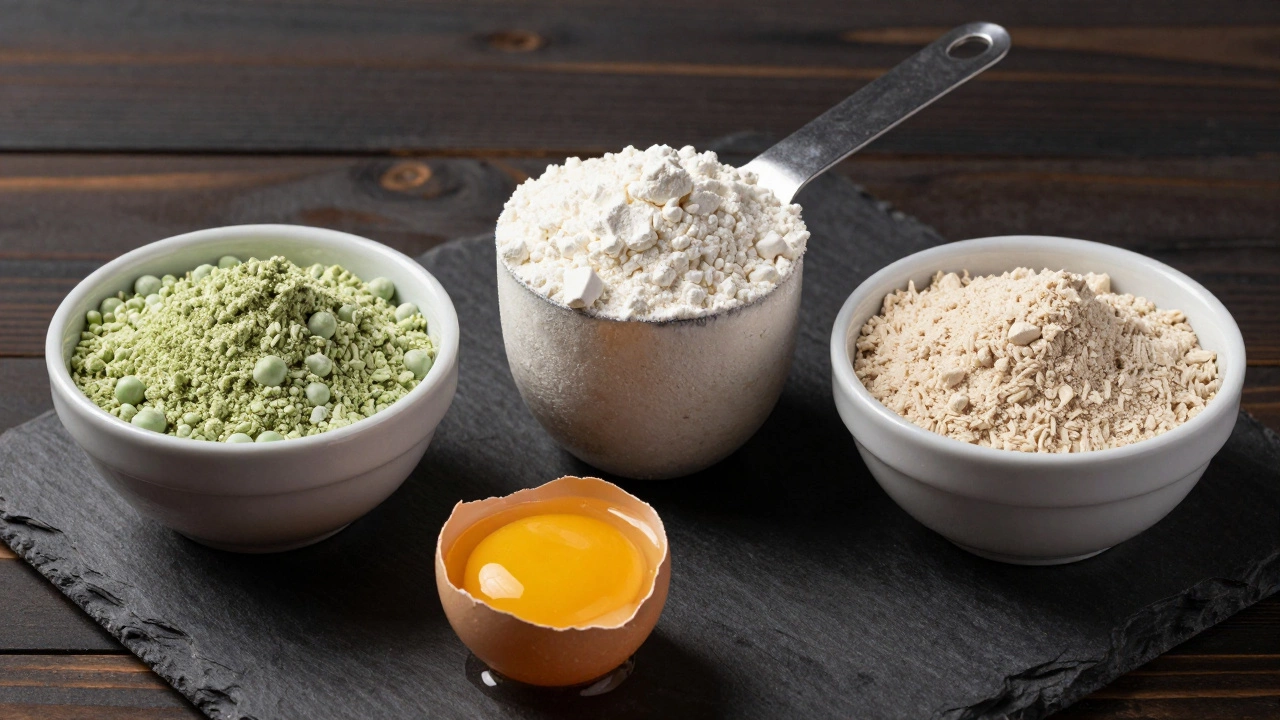
Not all proteins are created equal. They differ in how fast they digest and how complete their amino acid profile is. Here is how the major categories compare for weight loss goals.
| Type | Digestion Speed | Protein Content (per scoop) | Best For |
|---|---|---|---|
| Whey Isolate is a highly refined milk protein with minimal fat and lactose. | Fast (1-2 hours) | 25-30g | Post-workout recovery, quick satiety |
| Casein is a slow-digesting milk protein that forms a gel in the stomach. | Slow (4-7 hours) | 20-25g | Nighttime use, prolonged hunger control |
| Pea/Rice Blend is a combination of plant proteins to create a complete amino acid profile. | Moderate | 20-25g | Vegans, dairy sensitivity |
| Egg White Protein is a cholesterol-free protein derived from dried egg whites. | Moderate | 20-25g | Lactose-free, non-GMO preference |
Whey Isolate is generally considered the gold standard for weight loss because it is filtered to remove almost all fat and carbohydrates, leaving nearly pure protein. It digests quickly, spiking muscle protein synthesis rapidly after exercise. Casein, on the other hand, is ideal if you struggle with nighttime hunger. Taking a casein shake before bed provides a steady drip of amino acids throughout the night, preventing muscle breakdown during fasting periods.
For those avoiding dairy, Plant-Based Blends have improved dramatically. Single-source plant proteins like pea or rice are often incomplete (missing certain essential amino acids). However, blending them creates a complete profile comparable to whey. Look for blends that include digestive enzymes like bromelain or papain, as plant proteins can sometimes cause bloating.
You might buy a "weight loss" shake that actually works against you. Manufacturers often add fillers and sugars to improve texture and taste. Here is what to watch out for:
Based on current market standards, ingredient transparency, and user feedback, here are top contenders in 2026. Remember, the "best" depends on your dietary restrictions and taste preferences.
Optimum Nutrition Gold Standard 100% Whey (Isolate Version). This brand has been around for decades and maintains strict quality control. The isolate version offers 25g of protein with only 1g of sugar and 1g of fat. It mixes easily with a shaker bottle and doesn't leave a chalky aftertaste. It is widely available, making it easy to find consistent stock.
Organic Vegan Protein by Garden of Life. Many plant proteins taste like dirt. This one uses raw organic whole foods and probiotics. It contains 22g of protein from peas, brown rice, and sprouted grains. The inclusion of probiotics aids digestion, which is crucial when increasing fiber intake from plants.
Naked Whey. This is a single-ingredient product: grass-fed whey protein concentrate. There are no flavors, no sweeteners, and no additives. It tastes like mild milk, but you can blend it into smoothies with berries and banana to mask the flavor. Because it is unflavored, you have total control over what goes into your drink.
Huel Powder. If you want to replace a full meal, not just snack, Huel provides a balanced ratio of protein, fats, and carbs. It includes vitamins, minerals, and fiber. While it has more calories than a straight protein isolate, it is designed to keep you full for hours, reducing the likelihood of grazing between meals.
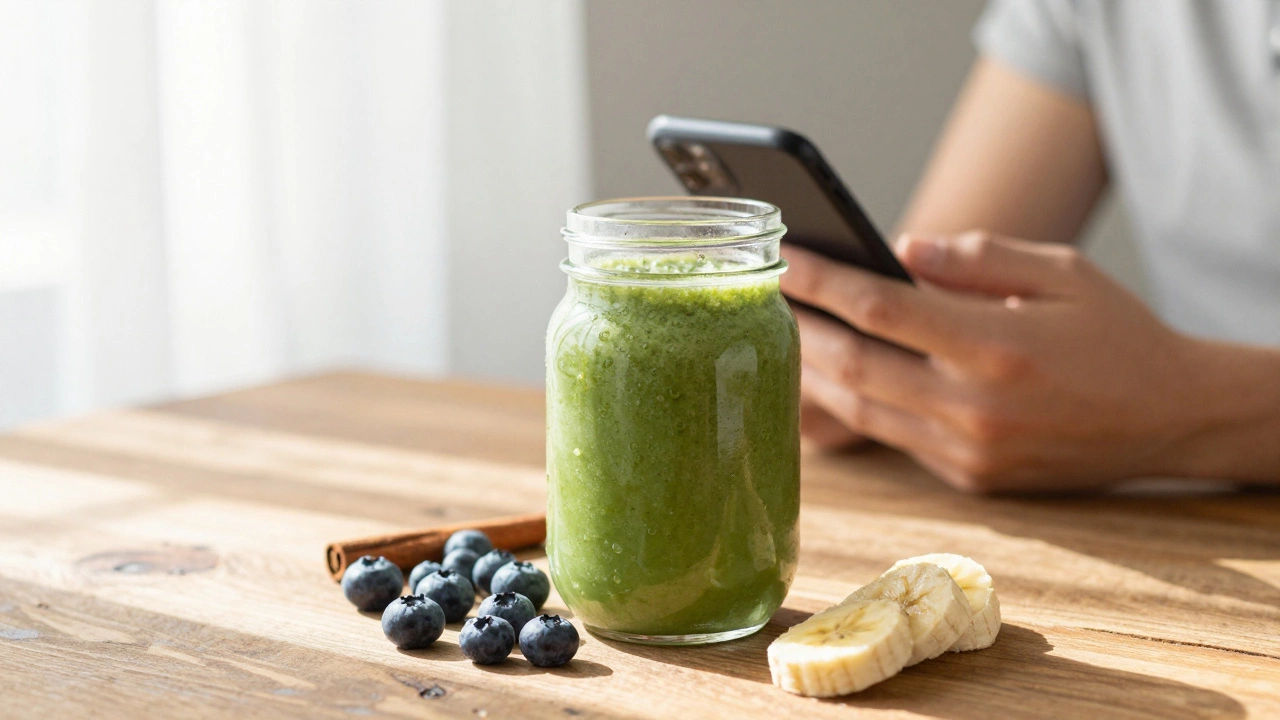
Buying the powder is only half the battle. How you mix it determines its impact on your waistline. Here is a formula for a high-satiety, low-calorie shake:
This combination creates a shake that is roughly 200-250 calories but feels like a heavy meal due to the volume and fiber content.
Timing matters less than total daily intake, but strategic timing can optimize results.
Even with the best shake, you can stall your weight loss if you make these errors:
No. While liquid diets can create a rapid calorie deficit, they are unsustainable and lead to muscle loss and nutrient deficiencies. Use shakes as a tool to supplement whole foods, not replace them entirely long-term. Whole foods provide fiber, phytonutrients, and chewing satisfaction that liquids lack.
Not necessarily. Whey isolate has had most of the lactose and fat removed. Unless you have a severe dairy allergy or extreme lactose intolerance, whey is safe and effective. If dairy bothers your stomach, switch to a high-quality pea/rice blend or egg white protein.
A shaker bottle is sufficient for mixing protein powder with water or milk. However, if you are adding fruits, vegetables, nuts, or oats, a blender is necessary to break down the fiber and create a smooth texture. Blended shakes tend to be more satiating due to the thicker consistency.
Research suggests aiming for 1.6 to 2.2 grams of protein per kilogram of body weight (or 0.7 to 1 gram per pound). For a 150lb person, this means 105-150g of protein daily. Distribute this evenly across 3-4 meals/shakes to maximize muscle protein synthesis.
Only if they contain added sugars or excessive artificial ingredients. Many modern isolates use natural flavors and stevia/monk fruit to achieve good taste with zero sugar. Unflavored gives you control, but flavored can help adherence if it makes the diet more enjoyable. Always check the label for hidden sugars.
Yes, especially if you are sensitive to lactose, soy, or certain artificial sweeteners like sugar alcohols (erythritol, maltitol). Switching to a lactose-free isolate, a plant-based blend, or an egg white protein can resolve this. Adding digestive enzymes or taking the shake slower can also help.
Solid food is generally better for satiety because chewing takes time and signals fullness to the brain. However, protein shakes are more convenient and easier to consume in large quantities if you struggle to eat enough protein. A mix of both is ideal: solids for main meals, shakes for convenience or post-workout.
No. Unlike stimulants or certain medications, protein powder is simply food in concentrated form. Your body does not build a tolerance to it. You can use it daily as long as your kidney function is healthy and your overall diet is balanced.