Plan your daily liquid intake to maximize satiety and minimize empty calories.
Select the drinks you typically consume that you want to replace with healthier options.
Select your swaps and click Calculate to see your potential results.
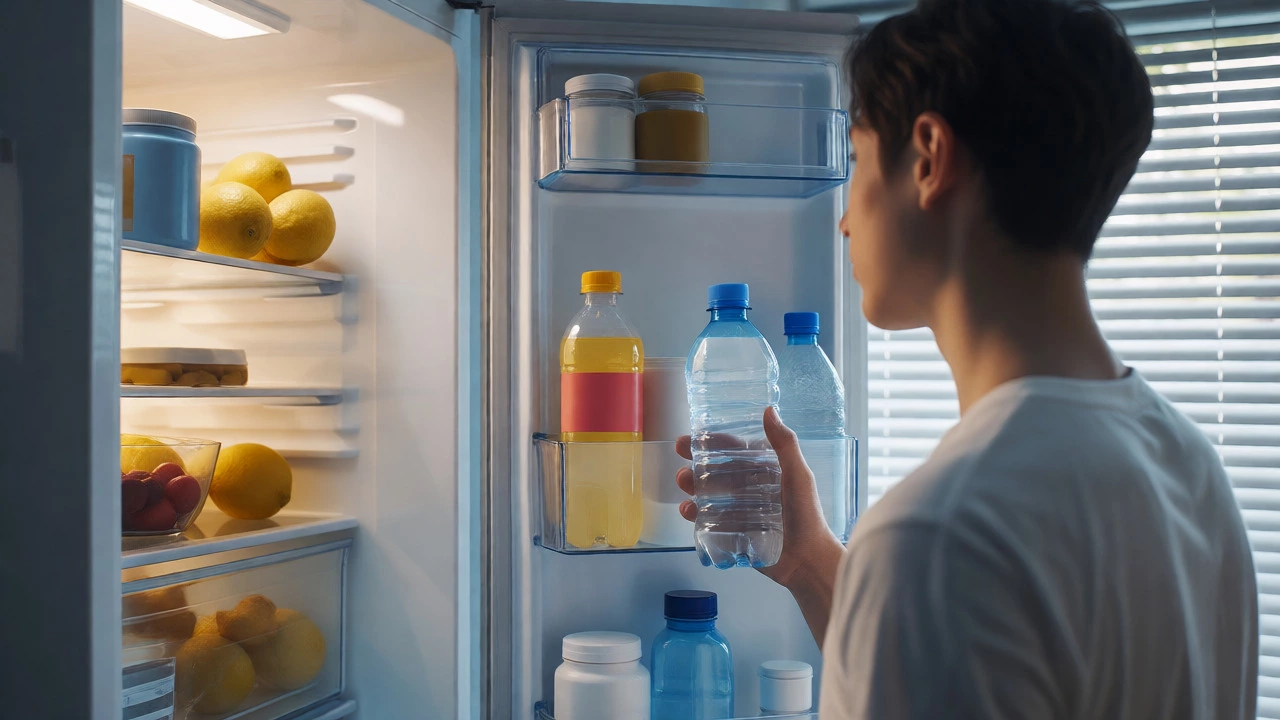
You’re staring at your fridge, wondering if that bottle of water is going to cut it. You’ve got seven days until a wedding, a holiday, or just the need to feel lighter in your jeans. The internet screams about detox teas and apple cider vinegar shots, but let’s be real: most of those are marketing fluff. If you want actual results in a week, you need to look at protein shakes. They aren’t magic potions, but they are powerful tools for managing hunger and preserving muscle while you drop fat.
Here’s the thing about losing weight in seven days. You won’t lose ten pounds of pure fat. That’s physiologically impossible without starving yourself. What you can do is shed water weight, reduce bloating, and kickstart a metabolic shift by controlling your insulin levels. Drinks play a huge role here because liquid calories are sneaky. One latte can equal three eggs. By swapping high-calorie liquids for strategic, nutrient-dense options, you create a calorie deficit without feeling like you’re on a hunger strike.
Most people underestimate how many calories they drink. We don’t register liquid energy the same way we do solid food. When you eat an apple, your brain registers the fiber, the chewing effort, and the volume. When you drink a smoothie loaded with banana, peanut butter, and honey, you might consume 600 calories in two minutes and still feel hungry an hour later. This is why liquid diet strategies often fail if they rely on sugar-heavy juices.
To lose weight efficiently, your drinks need to serve one of two purposes: hydration or satiety. Water does the first. Protein does the second. Caffeine helps with both by boosting metabolism slightly and suppressing appetite temporarily. Anything else-soda, fruit juice, alcoholic cocktails-is essentially empty space in your stomach that adds to your waistline.
If you’re looking for the single best answer to "what should I drink," it’s a high-quality whey protein isolate mixed with water. Here is why this specific combination works so well for a short-term sprint like seven days:
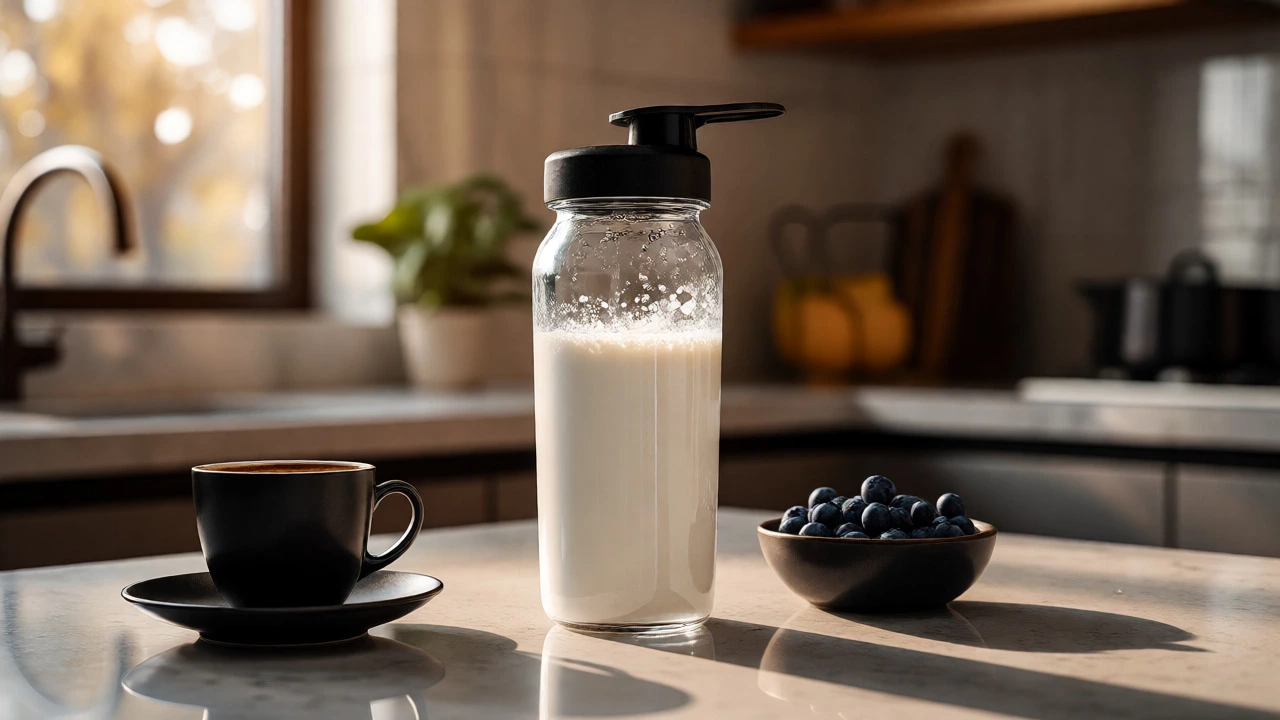
But not all shakes are created equal. Many store-bought "diet" shakes are packed with artificial sweeteners, fillers, and hidden sugars. For a clean seven-day reset, stick to unflavored or lightly flavored whey isolate, or plant-based alternatives like pea protein if you’re vegan. Mix them with water, not milk, to keep the calorie count under 150 per serving.
Hydration isn’t just about drinking eight glasses of water. It’s about timing and composition. Dehydration often masquerades as hunger. Before you reach for a snack, try drinking 500ml of water. Wait fifteen minutes. If you’re still hungry, then eat. But if you’re thirsty, you’ve just saved yourself 200 calories.
For these seven days, adopt this simple structure:
You don’t need a complex plan to fail. You just need to stop doing the obvious wrong things. In a seven-day window, eliminating these three categories will yield the fastest visible results:
| Drink Category | Calorie Impact | Metabolic Effect | Best Swap |
|---|---|---|---|
| Sugary Sodas | 140-150 kcal/can | Insulin spike, fat storage | Sparkling water + lime |
| Fruit Juice | 110-120 kcal/glass | No fiber, rapid glucose rise | Whole fruit + water |
| Specialty Coffees | 200-400 kcal/cup | High sugar/fat load | Black coffee or almond milk latte |
| Alcohol | 7 kcal/gram | Inhibits fat burning | Zero-proof mocktail |
Notice the alcohol row. Alcohol pauses fat oxidation. Your liver prioritizes breaking down the alcohol toxin over processing fat. If you drink wine every night, you’re effectively hitting pause on your weight loss goals. Skip it for seven days. Your skin will clear up, and your face will look less puffy.
While water and protein are the foundation, caffeine is the accelerator. Green tea contains catechins, specifically EGCG, which has been shown to enhance fat burning during moderate exercise. It’s not a miracle worker, but combined with a morning walk, it gives you a slight edge.
Black coffee is also excellent. It suppresses appetite and increases metabolic rate by 3-11%. However, the key word is black. Add cream and sugar, and you negate the benefits. If you hate black coffee, try adding cinnamon. Cinnamon helps regulate blood sugar levels, preventing the crashes that lead to snacking.
Be careful with timing. Don’t drink caffeine after 2 PM. As mentioned earlier, sleep disruption ruins hormonal balance. Cortisol stays high, leptin drops, and you wake up ravenous. Protect your sleep as fiercely as your diet.

Let’s put this into a concrete routine. Imagine you are trying to fit into a dress or suit in a week. Here is what your fluid intake looks like:
This schedule ensures you are never dehydrated, never overly hungry, and never consuming unnecessary liquid calories. The protein shake acts as a safety net against afternoon weakness.
People often make mistakes when trying to rush weight loss through drinks. First, they fall for "detox" teas that act as laxatives. You lose water weight, yes, but you also lose electrolytes and essential gut bacteria. You’ll feel dizzy and weak, and the weight returns instantly when you eat normal food again.
Second, they overdo artificial sweeteners. While zero-calorie sodas seem safe, some research suggests they may confuse the brain’s reward system, leading to increased cravings for sweets later. Stick to natural flavors like lemon, mint, or cucumber in your water if you find plain water boring.
Third, they forget that protein shakes are supplements, not replacements for whole foods entirely. Do not live on shakes for seven days unless medically advised. Use them to replace snacks or one lower-value meal. Whole foods provide micronutrients and fiber that powders miss.
So, what actually happens? By day three, you’ll likely experience a dip in energy as your body adjusts to lower carb intake. Push through it. Drink more water. By day five, the bloating will subside significantly. Your clothes will feel looser around the waist. By day seven, you might see a drop of 2-4 pounds on the scale. Most of this is water and glycogen depletion, but it serves as a psychological win and a physical reset.
The real value of this seven-day experiment isn’t just the number on the scale. It’s proving to yourself that you can control your environment. You learn that you don’t need a soda to get through the afternoon. You learn that water quenches thirst better than juice. These habits, once formed, lead to long-term weight management.
No, you cannot spot-reduce fat from specific areas like the belly just by changing drinks. However, protein shakes help create a total body calorie deficit and preserve muscle mass. As overall body fat decreases, belly fat will eventually reduce too. Consistency with a healthy diet and exercise is key.
It is generally safe for healthy adults to use protein shakes as a partial meal replacement for a short period. However, relying solely on liquids for a week can lead to nutrient deficiencies and lack of fiber, causing digestive issues. It is better to combine shakes with solid, whole-food meals rather than replacing all food with liquid.
Yes, technically. Your body expends a small amount of energy to heat cold water to body temperature. This thermogenic effect is minimal-perhaps burning 8-10 extra calories per glass-but it adds up slightly over time. More importantly, cold water can sometimes suppress appetite more effectively than warm water for some individuals.
Aim for 20-30 grams of protein per shake. This amount is sufficient to trigger muscle protein synthesis and promote satiety without exceeding typical caloric needs for a snack. Check the label to ensure there are less than 5 grams of added sugar.
Green tea can support weight loss due to its caffeine and antioxidant content, which may boost metabolic rate and fat oxidation. However, the effect is modest. It works best as part of a broader strategy involving a calorie-controlled diet and regular physical activity, not as a standalone solution.