Discover what 30 minutes of daily cardio can do for your body based on your age and weight. This tool uses data from scientific studies mentioned in our article.
Thirty minutes of cardio a day sounds simple. Just get moving. But what actually happens to your body when you do it-day after day, week after week? It’s not magic. It’s biology. And the changes are deeper than most people realize.
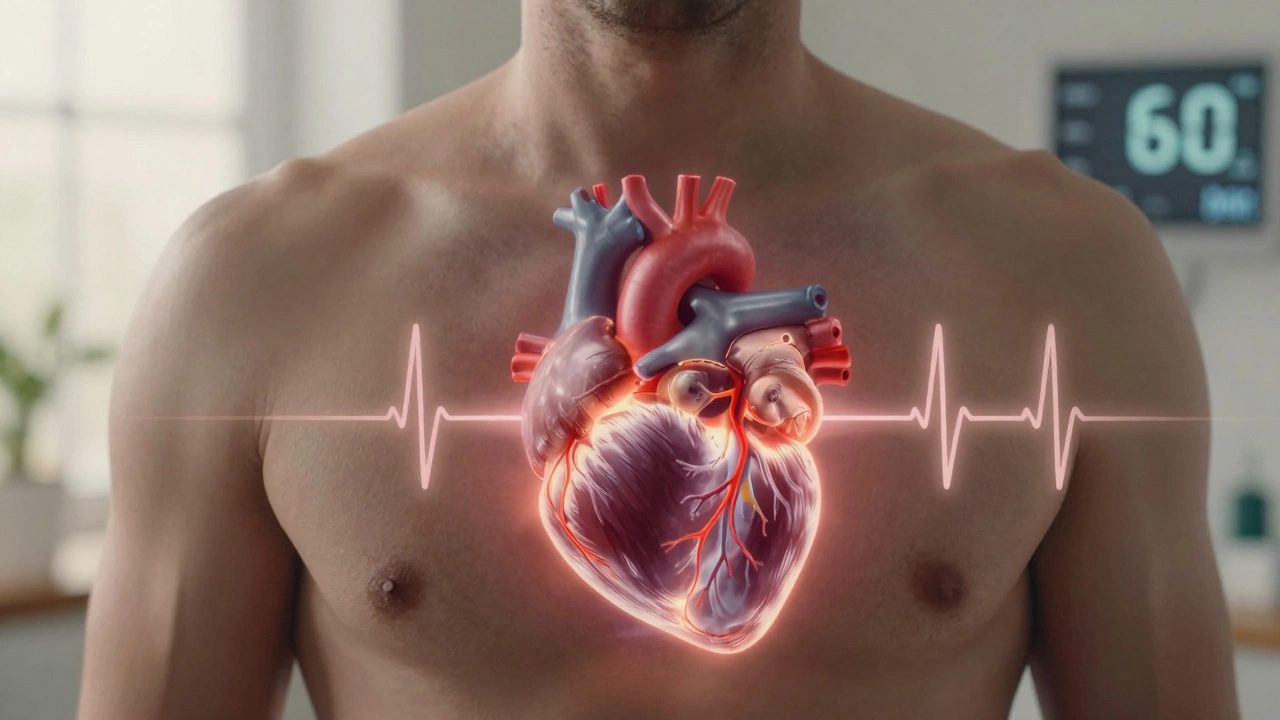
Your heart isn’t just a pump. It’s a muscle. And like your biceps, it gets better with use. After just a few weeks of 30 minutes of steady cardio-whether it’s brisk walking, cycling, swimming, or dancing-your heart starts to adapt. It doesn’t just beat faster during exercise. It learns to pump more blood with each beat. That’s called stroke volume. Studies show that regular aerobic exercise can increase stroke volume by up to 15% in six to eight weeks. That means your heart doesn’t have to work as hard to deliver oxygen to your body. Your resting heart rate drops. You might go from 75 beats per minute to 60 or even lower. You’ll notice it: climbing stairs feels easier. Carrying groceries doesn’t leave you winded. That’s your heart thanking you.
Cardio doesn’t just burn calories while you’re moving. It changes how your body stores and uses fat. After 30 minutes of consistent cardio, your body becomes better at tapping into fat as fuel-even during rest. This isn’t about spot reduction. You won’t lose belly fat just because you jogged. But over time, your body gets more efficient at burning fat overall. A 2023 study from the University of Sydney tracked 1,200 adults doing 30 minutes of moderate cardio five days a week. After six months, they lost an average of 4.7% of their total body fat, mostly from visceral fat-the dangerous kind that wraps around your organs. That’s not just about looks. Less visceral fat means lower inflammation, better insulin sensitivity, and a much lower risk of heart disease and type 2 diabetes.
When you first start doing cardio, you might feel like you’re gasping for air. That’s normal. But after a few weeks, your lungs adapt. Your diaphragm becomes stronger. Your alveoli-the tiny air sacs where oxygen enters your bloodstream-become more efficient. Your body also gets better at using the oxygen it takes in. That’s called VO2 max. It’s a measure of how much oxygen your body can use during intense exercise. Just 30 minutes a day, five days a week, can boost your VO2 max by 10-20% in three months. What does that mean for you? You’ll feel less out of breath. You’ll have more energy. You might even find yourself walking faster without realizing it.
Ever notice how you feel calmer after a walk? That’s not coincidence. Cardio triggers the release of endorphins, serotonin, and dopamine-your brain’s natural feel-good chemicals. But it’s more than a quick high. Regular cardio helps regulate stress hormones like cortisol. People who do 30 minutes of cardio daily report lower anxiety levels and better sleep. A 2024 meta-analysis from the Australian National University found that daily cardio was as effective as low-dose antidepressants for mild to moderate depression in adults over 40. You don’t need to run a marathon. Just 30 minutes of walking or cycling can reset your nervous system. It’s like hitting a reset button for your mental state.
Cardio doesn’t just burn calories during the workout. It increases your metabolic rate for hours after you stop. This is called EPOC-excess post-exercise oxygen consumption. After a 30-minute session, your body keeps burning extra calories as it repairs muscle tissue, replaces oxygen stores, and cools down. The effect is small-maybe 50 to 100 extra calories-but it adds up. Over time, your body becomes better at burning fat instead of storing it. Your muscles also become more insulin-sensitive. That means they can pull glucose from your blood more efficiently, reducing blood sugar spikes and crashes. You’ll feel less hungry between meals. You’ll crave sugar less. That’s not willpower. That’s biology.
If you struggle to fall asleep or wake up tired, cardio might be the missing piece. Regular aerobic exercise helps regulate your circadian rhythm. It lowers nighttime cortisol and raises melatonin levels. People who do 30 minutes of cardio daily fall asleep 20% faster and spend 15% more time in deep sleep, according to a 2025 sleep study from Perth’s Royal Dental Hospital. You don’t need to exercise right before bed. Even morning or afternoon cardio helps. Just make sure it’s not too intense right before sleep-moderate effort is best.
Cardio isn’t just about how you feel today. It’s about how you’ll feel in 10 years. Daily cardio reduces your risk of heart disease by 35%, stroke by 27%, and colon cancer by 25%, according to the American Heart Association. It also helps maintain bone density, lowers blood pressure, and reduces chronic inflammation-all of which slow aging. People who stick with 30 minutes of cardio five days a week live an average of 3-7 years longer than those who don’t. And they’re not just living longer. They’re living better-more mobile, more independent, more in control.

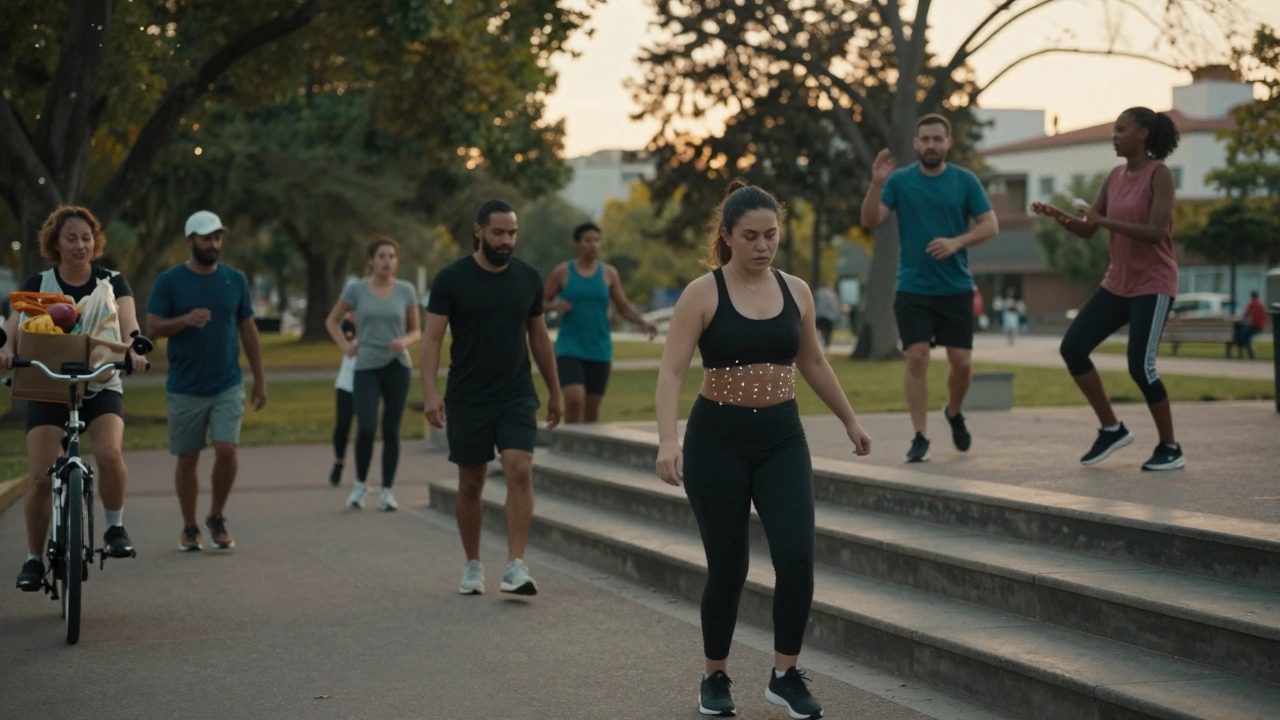
You don’t need to run. You don’t need a gym. You just need to move consistently. Brisk walking (so you can talk but not sing), cycling, swimming, dancing, stair climbing, elliptical training, even vigorous gardening-all count. The key is keeping your heart rate in the moderate zone: about 60-75% of your maximum. To estimate that, subtract your age from 220. Then take 60-75% of that number. For a 40-year-old, that’s 108-135 beats per minute. Use a fitness tracker if you want to check. Or just use the talk test: if you can speak in short sentences but not sing, you’re in the right zone.
Life happens. You’re tired. It’s raining. You have a meeting. That’s fine. One missed day won’t undo your progress. What matters is consistency over weeks and months, not perfection. If you skip a day, just get back on track the next day. Don’t try to make up for it with 90 minutes. That can lead to burnout. Stick to the 30-minute rule. Even on busy days, break it into two 15-minute walks. It still counts.
If you’re new to cardio, don’t jump into 30 minutes on day one. Start with 10-15 minutes. Walk around the block. Ride a stationary bike while watching TV. Dance to one song. Build up gradually. Your joints, lungs, and heart need time to adapt. The goal isn’t to burn the most calories today. It’s to make this a habit that lasts. Because the real power of 30 minutes of cardio isn’t in one session. It’s in 365 of them.
Yes, but not alone. Thirty minutes of cardio burns about 200-400 calories, depending on intensity and body weight. That’s helpful, but weight loss happens when you create a consistent calorie deficit. Combine daily cardio with mindful eating, and you’ll see real results. Most people lose 0.5-1 pound per week with this combo. It’s slow, but it sticks.
Absolutely. Brisk walking-about 3.5 to 4 miles per hour-is one of the most effective forms of cardio for beginners and older adults. It’s low-impact, sustainable, and improves heart health just as well as running over time. A 2024 study in the British Journal of Sports Medicine found that walkers who did 30 minutes daily had the same reduction in heart disease risk as joggers, with far fewer injuries.
Five days a week is ideal, but even three days makes a difference. The American College of Sports Medicine recommends at least 150 minutes of moderate cardio per week. That breaks down to 30 minutes, five days a week. But if you can only manage three days, you’ll still lower your blood pressure, improve your mood, and boost your endurance. Don’t let perfection stop you from progress.
The best time is the time you’ll stick with. Morning cardio can boost your metabolism and energy for the day. Evening cardio can help you unwind and sleep better. Studies show no major difference in fat loss between morning and evening workouts. What matters most is consistency. If you’re more likely to do it after work, do it after work. If you’re a morning person, start your day with movement.
Not significantly. Cardio is great for endurance and fat loss, but it doesn’t build muscle like strength training does. However, it supports muscle growth by improving blood flow and recovery. Many people combine daily cardio with two or three days of resistance training for the best results-leaner, stronger, and more energetic.