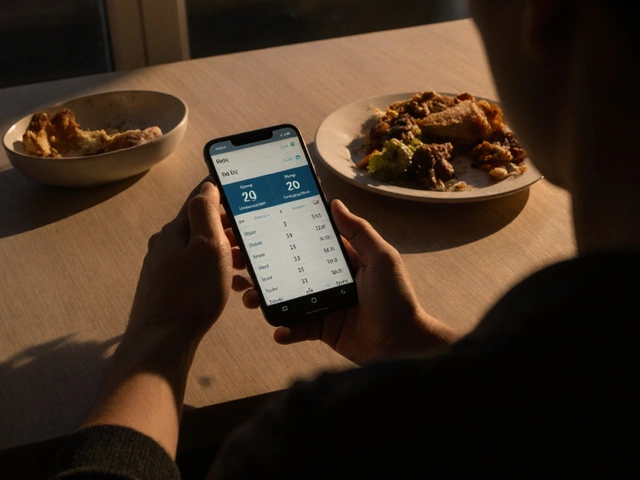
When you wear a wearable health device, a digital tool like a Fitbit, Apple Watch, or Garmin that tracks steps, heart rate, or sleep. Also known as fitness tracker, it's meant to help you stay healthy—but for many, it’s becoming a source of stress, misinformation, and even harm. These gadgets collect data, yes, but they also collect your attention, your self-worth, and sometimes your peace of mind.
Here’s the problem: fitness tracker, a device that monitors physical activity and biometrics isn’t a doctor. It doesn’t understand your sleep quality just because you moved less at night. It doesn’t know if your elevated heart rate came from stress, caffeine, or a real health issue. Yet, people obsess over these numbers, chasing arbitrary goals like 10,000 steps or 8 hours of sleep, even when their body is screaming for rest. This isn’t health—it’s digital performance anxiety. And it’s real. A 2023 study from the University of Oxford found that people who relied heavily on wearables were more likely to report anxiety, sleep disruption, and compulsive exercise behaviors than those who didn’t.
Then there’s the smart device health, the broader impact of connected tech on physical and mental wellbeing. Many wearables now claim to track stress, menstrual cycles, or even blood oxygen levels. But these features aren’t FDA-approved medical tools. They’re estimates based on algorithms trained on limited data. Relying on them can lead to false reassurance—or unnecessary panic. You might skip a doctor’s visit because your tracker says your heart rate is "normal," when it’s actually showing early signs of an arrhythmia. Or you might stress over a "poor sleep score" when you actually slept fine. The data isn’t wrong—it’s incomplete. And incomplete data is dangerous when you treat it like gospel.
Even the companies behind these devices have their own agendas. They’re not selling health—they’re selling habits, subscriptions, and data. Your movement patterns, your sleep cycles, your heart rate trends—they’re valuable. And they’re being used to target ads, upsell premium features, or even influence insurance premiums. You’re not just wearing a device. You’re feeding a business model that profits from your attention and your fears.
So what’s the answer? Not throwing your tracker away. But learning to use it wisely. Let it be a tool, not a boss. Ignore the numbers when you feel tired. Skip the daily step goal if your body needs rest. And if you’re worried about something your device shows? Talk to a real human—a doctor, not an algorithm. The best health tech doesn’t make you more anxious. It gives you back your freedom.
Below, you’ll find real stories and science-backed insights from people who’ve been there—people who used wearables, got burned, and learned how to get back in control. Whether it’s about Fitbit’s future, overtraining from too much data, or why fitness apps cost so much, these posts cut through the hype. No fluff. Just what you need to know before you strap on the next gadget.
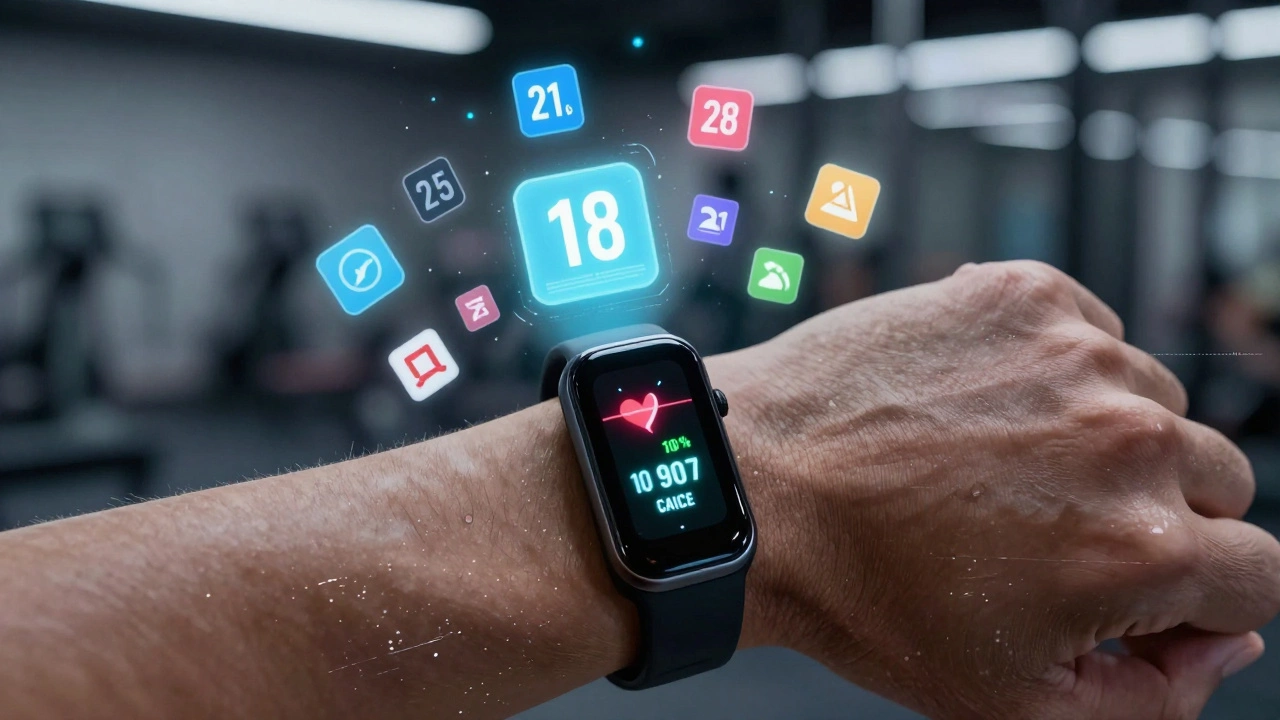
Fitness trackers promise better health but come with hidden risks: inaccurate data, privacy leaks, anxiety, skin damage, and medical misinformation. Learn how these devices can hurt more than help.
READ