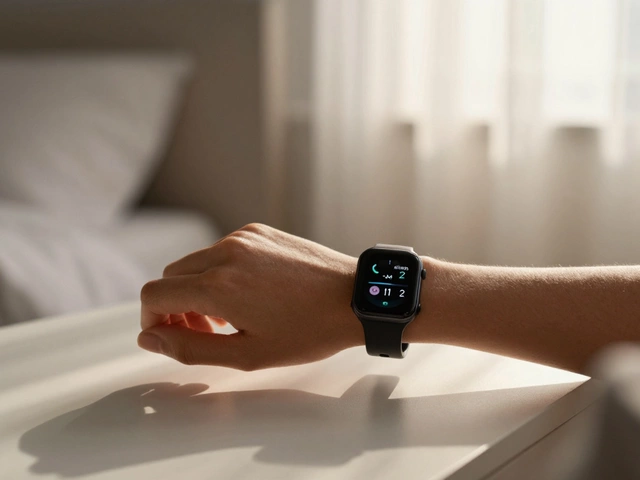
When your heart rate monitor, a wearable device that tracks your pulse during exercise. Also known as heart rate tracker, it's meant to give you real-time feedback so you train at the right intensity. shows a number that feels off—like 180 when you’re just walking—you’re not imagining it. These heart rate monitor errors happen more often than you think, and they’re not always your fault. The problem isn’t just bad tech—it’s how you wear it, where you wear it, and what you’re doing while it’s on.
Most wrist-based trackers, like Fitbits and Apple Watches, use optical sensors that shine light into your skin to detect blood flow. That sounds smart—until you’re sweating, your arm is tense, or the band is loose. Suddenly, the sensor picks up motion instead of pulse, and your heart rate spikes for no reason. Even tattoos, skin tone, and cold weather can throw off the reading. fitness tracker accuracy, how reliably a device measures your heart rate during activity. isn’t about brand—it’s about fit and function. Chest straps, like those from Polar or Garmin, are still the gold standard because they sit closer to the heart and aren’t fooled by arm movement. But if you’re using a wristband, make sure it’s snug—not tight enough to cut off circulation, but tight enough that it doesn’t slide around when you move.
Another big culprit? wearable tech issues, common malfunctions in fitness devices that affect data reliability. Software glitches, outdated firmware, or pairing problems with your phone can cause delays or blank spots in your data. A quick restart of your device and phone often fixes this. Also, don’t forget to clean the sensor. Sweat, lotion, and dirt build up over time and block the light. Wipe it down after every workout. And if you’re doing HIIT or weightlifting, your heart rate will naturally fluctuate fast—some trackers can’t keep up. That’s not an error; it’s a limitation.
Then there’s the heart rate inaccuracies, false readings caused by environmental or physiological factors. Running in the cold? Your blood vessels constrict, making it harder for the sensor to detect flow. Doing yoga or Pilates? Low-intensity, steady movements can confuse the algorithm into thinking you’re resting. Even caffeine or stress can spike your real heart rate, and the device doesn’t know the difference. That’s why you should never treat these numbers as gospel. Use them as a trend, not a target. If your monitor says you’re at 170 bpm but you feel fine, trust your body more than the screen.
And here’s the truth: most people don’t need perfect heart rate data to get results. If you’re trying to lose weight, build endurance, or just stay active, you don’t need to hit a specific zone every minute. What matters is consistency. The real value of a heart rate monitor isn’t in its precision—it’s in helping you notice patterns. Maybe you see your heart rate stays high even during easy walks. That’s a sign you’re overtrained. Or maybe it drops fast after workouts—that’s good recovery. The errors? They’re noise. The insights? That’s the signal.
You’ll find posts here that dig into why your Fitbit might be lying to you, how to compare chest straps vs wristbands, and what real people experienced when they switched from one device to another. Some stories are about failed workouts because of bad data. Others are about fixing the problem for good. No fluff. No marketing. Just what works—and what doesn’t—based on real use.
Fitness trackers promise better health but come with hidden risks: inaccurate data, privacy leaks, anxiety, skin damage, and medical misinformation. Learn how these devices can hurt more than help.
READ