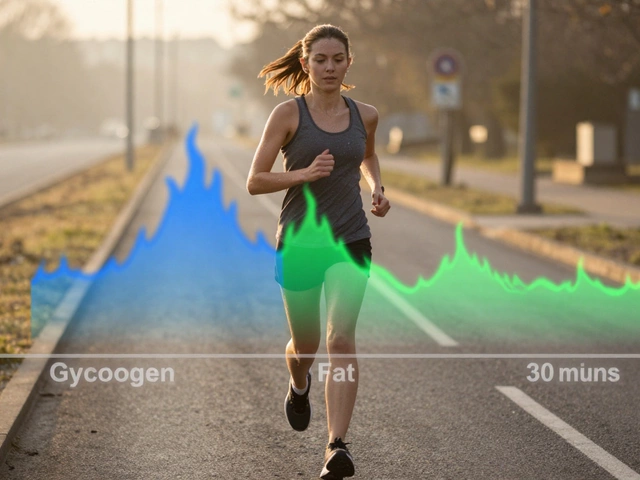
When it comes to gym time, the amount of time you spend exercising in a fitness facility or at home. Also known as workout duration, it’s not about clocking hours—it’s about how you use those minutes. Most people think they need an hour or more to see results, but that’s not how the body works. Real progress comes from focused effort, not busywork. Whether you’re lifting weights, doing HIIT, or stretching on a mat, the quality of your workout duration, the total time spent actively training during a session matters far more than the total time you spend walking in and out of the gym.
Think of personal training, one-on-one coaching designed to guide form, intensity, and progression like a GPS for your fitness. You don’t need to drive 100 miles to reach your destination—you just need the right route. A 30-minute session with a trainer who knows how to push you hard, correct your form, and keep you accountable can do more than two hours of half-hearted lifting alone. And if you’re working out at home? The same rules apply. You don’t need equipment. You don’t need a big space. You just need clarity on what you’re trying to achieve and the discipline to stick to it.
There’s a big difference between exercise length, the total time spent performing physical activity in a single session that’s intentional and exercise that’s just filler. Sitting on a bike for 60 minutes while scrolling through your phone isn’t training—it’s passive time. But 20 minutes of high-intensity intervals with full focus? That’s a metabolic shock to your system. That’s why so many people see real changes with just 20 to 30 minutes a day. It’s not magic. It’s science. Your body responds to stimulus, not duration. Overtraining doesn’t build muscle—it breaks it down. Undertraining doesn’t help either. The sweet spot? Enough to challenge your muscles and cardiovascular system, but not so much that you burn out or skip the next session.
And let’s talk about recovery. Gym time isn’t just what you do in the weights room or on the treadmill. It’s also how well you rest, eat, and sleep. A 45-minute workout means nothing if you’re sleeping four hours, skipping protein, and stressing out all day. Your body rebuilds itself when you’re resting—not when you’re sweating. That’s why some of the most effective fitness plans include rest days, mobility work, and even short walks. They’re not optional. They’re part of the equation.
You’ll find posts here that cut through the noise. No fluff. No hype. Just straight answers: Is a 30-minute personal training session enough? Can you transform your body in two months without stepping into a gym? Should you even be wearing a fitness tracker to measure your gym time? We’ve pulled together real experiences, real science, and real routines from people who’ve been there. Whether you’re new to this or you’ve been lifting for years, you’ll find something that matches where you are—and shows you how to move forward without wasting time.

Is spending two hours at the gym too much? Most people don’t need it-and doing it daily can hurt progress. Learn the science behind optimal workout time and how to train smarter, not longer.
READ